
Efficient Disinfection SDIC in Middle East: B2B Sourcing Guide
Author: James Sterling
In the arid climate of the Middle East, maintaining high hygiene standards is not just a regulatory requirement; it is a critical necessity for public health and industrial safety. As we move through 2026, the demand for reliable disinfection solutions has surged across the Gulf Cooperation Council (GCC) and broader MENA region. For procurement managers and business owners, sourcing Sodium Dichloroisocyanurate (SDIC) efficiently remains a top priority. However, navigating the complex landscape of chemical procurement can be daunting. This guide addresses key pain points and offers strategic solutions for B2B chemical sourcing in the Middle East.
Understanding the Value of SDIC in Regional Markets
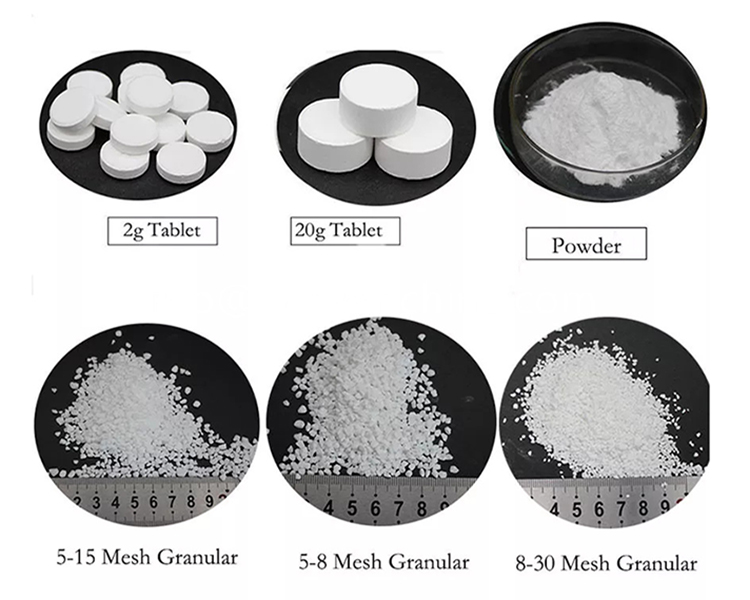
SDIC is a powerhouse in the disinfection industry. Known for its high stability and effective chlorine content, it is widely used in water treatment, swimming pools, and industrial sanitation. Unlike liquid bleach, SDIC powder and tablets offer longer shelf life and easier transportation, making them ideal for the logistical challenges often faced in the region.
For businesses looking for stable chlorine tablets sourcing, SDIC provides a cost-effective solution that ensures consistent sanitation performance. However, not all products are created equal. The efficiency of disinfection depends heavily on the purity and formulation of the chemical supplied.
Common Pain Points in SDIC Procurement
When searching for an SDIC supplier in the Middle East, buyers frequently encounter several recurring issues that can disrupt operations and inflate costs.
1. Quality Inconsistency
One of the most significant challenges is variance in chlorine content. Some suppliers offer products that degrade quickly under high temperatures, a common scenario in Middle Eastern summers. This leads to ineffective disinfection and wasted budget.
2. Regulatory Compliance
Importing chemicals into GCC countries requires strict adherence to local standards, such as GSO (Gulf Standardization Organization) regulations. Non-compliant shipments can be held at customs, causing costly delays. Understanding disinfectant chemical import regulations in the Gulf is essential for smooth clearance.
3. Logistics and Lead Times
Reliable delivery is crucial. Many buyers face unpredictable lead times due to shipping bottlenecks or inadequate supplier inventory. For industries relying on continuous water treatment or sanitation, stockouts are not an option.
Strategic Sourcing Solutions
To overcome these hurdles, B2B buyers must adopt a proactive sourcing strategy. Here is how to secure efficient disinfection SDIC for your business needs.
Vet Suppliers Rigorously
Do not rely solely on Sodium Dichloroisocyanurate bulk pricing. Low cost often signals compromised quality. Request Certificates of Analysis (CoA) and verify the manufacturer’s ISO certifications. A reputable supplier should be transparent about their production processes and quality control measures.
Prioritize Local Compliance
Partner with suppliers who have experience exporting to the Middle East. They should understand the documentation required for customs clearance and ensure the product packaging meets regional labeling laws. This reduces the risk of shipment rejection.
Opt for Long-Term Partnerships
Instead of one-off purchases, consider establishing long-term contracts. This ensures priority during high-demand seasons and stabilizes pricing. A reliable partner will also offer technical support, helping you optimize usage rates for maximum efficiency.
Conclusion
Sourcing SDIC for industrial disinfection in the Middle East requires a balance of cost, quality, and compliance. By understanding the common pitfalls and implementing a rigorous vetting process, businesses can secure a supply chain that supports their operational goals without compromise. The right chemical partner does more than sell products; they provide peace of mind and ensure safety standards are met consistently.
Ready to optimize your procurement strategy? Connect with a trusted partner who understands the nuances of the regional market.
Click here to inquire about our SDIC solutions
FAQ
Q1: What is the typical shelf life of SDIC tablets in high-temperature environments?
A: High-quality SDIC tablets generally have a shelf life of 24 months when stored in a cool, dry place. However, in high-temperature environments common in the Middle East, proper ventilation and temperature-controlled storage are recommended to maintain chlorine stability.
Q2: Are there specific GSO standards for importing SDIC into the GCC?
A: Yes, imports must comply with relevant GSO standards for chemical safety and labeling. Working with a supplier familiar with these regulations ensures smoother customs clearance and avoids compliance issues.
Q3: Can SDIC be used for drinking water treatment in the region?
A: SDIC is widely used for water disinfection, including drinking water, provided it meets specific purity standards. Always verify that the product is certified for potable water applications before use.
