
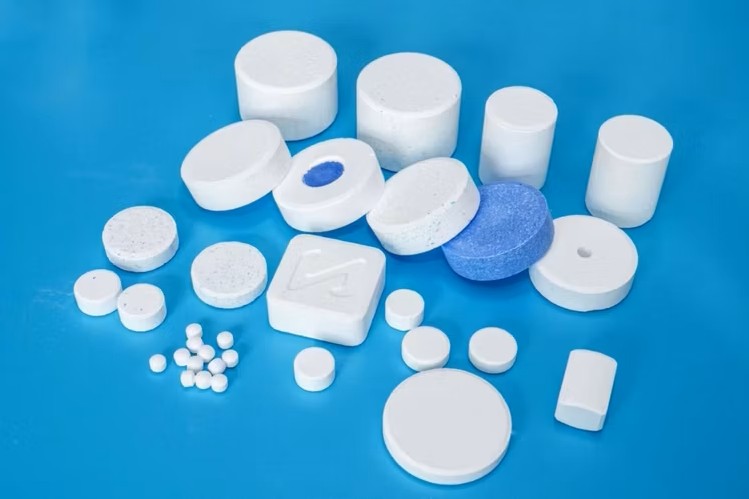
Efficient Disinfection TCCA Exporters from Global
Introduction
In today’s rapidly evolving chemical industry, businesses worldwide are seeking reliable partners for efficient disinfection solutions. Trichloroisocyanuric acid (TCCA) has emerged as a cornerstone product for water treatment, sanitation, and industrial disinfection applications. As global demand continues to surge, identifying trustworthy TCCA exporters becomes critical for B2B buyers committed to quality, compliance, and competitive pricing. This comprehensive guide explores what makes an efficient TCCA exporter and how businesses can secure optimal supply partnerships in 2026.
Understanding TCCA: The Global Disinfection Solution
TCCA, chemically known as trichloroisocyanuric acid (CAS: 87-90-1), is a powerful organic compound recognized for its exceptional disinfection capabilities. This white crystalline powder or granular solid contains over 90% available chlorine, making it one of the most effective chlorinating agents available in the global market.
The compound’s unique molecular structure (C₃Cl₃N₃O₃) enables slow-release chlorine action, providing prolonged disinfection effectiveness while maintaining stability during storage and transportation. Unlike traditional chlorine-based disinfectants, TCCA offers superior safety profiles, reduced environmental impact, and broader spectrum antimicrobial activity against bacteria, viruses, fungi, and algae.
Key Applications Driving B2B Demand
Water Treatment Infrastructure
Municipal water treatment facilities represent the largest TCCA consumption segment globally. With increasingly stringent water quality regulations implemented across Europe, Asia, and North America, treatment plants require reliable disinfection chemicals that meet compliance standards while maintaining cost efficiency. TCCA’s extended chlorine release makes it ideal for continuous water purification processes.
Swimming Pool and Recreational Facilities
The hospitality and recreational industry depends heavily on TCCA for pool sanitation. Commercial pool operators prioritize products that deliver consistent chlorine levels, minimize cyanuric acid buildup, and reduce maintenance frequency. Bulk TCCA procurement enables significant cost savings for facility managers operating multiple locations.
Industrial and Agricultural Applications
Manufacturing facilities, food processing plants, and agricultural operations utilize TCCA for equipment sterilization, surface disinfection, and livestock facility sanitation. The compound’s effectiveness against diverse pathogens makes it indispensable for maintaining hygiene standards across various industrial sectors.
What to Look for in a Reliable TCCA Exporter
Production Capacity and Consistency
Leading TCCA exporters maintain annual production capacities exceeding 30,000 metric tons, ensuring supply stability even during peak demand periods. B2B buyers should verify manufacturer certifications, production facility audits, and historical delivery performance before establishing long-term partnerships.
Quality Control Standards
Reputable exporters implement rigorous quality control protocols aligned with international standards including ISO 9001, REACH compliance, and regional chemical safety regulations. Product specifications should consistently meet or exceed 90% available chlorine content with moisture levels below 0.5%.
Technical Support and Documentation
Efficient exporters provide comprehensive technical documentation including Safety Data Sheets (SDS), certificates of analysis, and regulatory compliance certificates. Access to technical support teams enables buyers to optimize product application and address implementation challenges promptly.
Quality Standards and Compliance
International Certification Requirements
Global TCCA trade requires adherence to multiple regulatory frameworks. Exporters serving European markets must comply with REACH regulations, while North American shipments require EPA registration documentation. Asian markets often demand additional certifications specific to local chemical import regulations.
Packaging and Transportation Standards
Professional TCCA exporters utilize UN-certified packaging designed for hazardous chemical transportation. Standard packaging options include 25kg bags, 50kg drums, and customized bulk configurations. Proper labeling, hazard communication, and transportation documentation ensure smooth customs clearance and regulatory compliance.
Environmental and Safety Considerations
Modern TCCA manufacturing emphasizes environmental responsibility through reduced emissions, waste minimization, and sustainable production practices. Buyers increasingly prioritize exporters demonstrating commitment to environmental stewardship alongside product quality.
Global Supply Chain Considerations
Regional Market Dynamics
The global TCCA market reached approximately 99 billion yuan in 2025, with projected compound annual growth rates of 7.73% through 2032. China remains the dominant production hub, though recent trade developments including anti-dumping measures in certain markets require strategic supply chain planning.
Logistics and Lead Time Management
Efficient exporters maintain strategic warehouse locations and partnerships with experienced freight forwarders specializing in chemical logistics. Typical lead times range from 15-30 days depending on destination, order volume, and shipping method. Buyers should establish clear communication protocols for order tracking and delivery coordination.
Currency and Payment Terms
International TCCA transactions typically utilize USD pricing with flexible payment terms including letters of credit, telegraphic transfers, and established credit arrangements for long-term partners. Understanding currency fluctuation impacts and hedging options protects both buyers and suppliers from financial volatility.
Cost-Effective Procurement Strategies
Volume-Based Pricing Optimization
Bulk purchasing agreements enable significant per-unit cost reductions. B2B buyers should evaluate annual consumption requirements and negotiate tiered pricing structures that reward committed purchase volumes while maintaining flexibility for demand fluctuations.
Long-Term Partnership Benefits
Establishing multi-year supply agreements provides pricing stability, priority allocation during supply constraints, and access to new product developments. Trusted partnerships facilitate collaborative problem-solving and continuous improvement initiatives benefiting both parties.
Total Cost of Ownership Analysis
Smart procurement extends beyond unit pricing to consider transportation costs, storage requirements, product shelf life, and application efficiency. Comprehensive cost analysis reveals true value propositions enabling informed supplier selection decisions.
FAQ
Q: What is the typical shelf life of TCCA products?
A: Properly stored TCCA maintains effectiveness for 24-36 months. Storage conditions should include cool, dry environments away from direct sunlight and incompatible materials.
Q: How do I verify TCCA quality before large-scale procurement?
A: Request sample batches with accompanying certificates of analysis. Independent third-party testing provides additional verification before committing to substantial orders.
Q: What minimum order quantities do exporters typically require?
A: Most professional exporters accept orders starting from one metric ton, though optimal pricing typically applies to container-load quantities (20-25 metric tons).
Q: Are there seasonal demand fluctuations affecting TCCA availability?
A: Summer months typically show increased demand from pool and recreational facility sectors. Advance ordering during off-peak periods ensures supply availability and potentially better pricing.
Q: What documentation is required for international TCCA shipments?
A: Standard documentation includes commercial invoices, packing lists, bills of lading, certificates of analysis, Safety Data Sheets, and any destination-specific regulatory certificates.
Partnering with efficient TCCA exporters requires thorough evaluation of production capabilities, quality standards, and supply chain reliability. By understanding market dynamics and implementing strategic procurement approaches, B2B buyers can secure dependable supply partnerships supporting their disinfection and water treatment objectives.
Ready to explore TCCA procurement opportunities? Visit our contact page to connect with our international sales team: https://envochemical.com/contact-us/
