Environmental Advantages of Calcium Hypochlorite in Municipal Drinking Water Disinfection
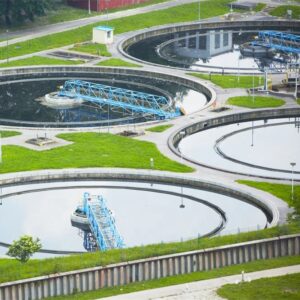
In the critical mission of delivering safe, potable water to growing urban populations, municipal water treatment facilities face mounting pressure to balance public health needs with environmental responsibility. Among the array of disinfection technologies available, calcium hypochlorite has emerged as a sustainable solution offering significant ecological benefits without compromising on efficacy. This article explores the environmental advantages of calcium hypochlorite in municipal drinking water disinfection, revealing why it has become the preferred choice for environmentally conscious water treatment professionals worldwide.
Understanding Calcium Hypochlorite: A Sustainable Disinfection Solution
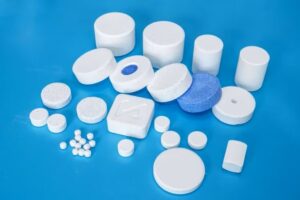
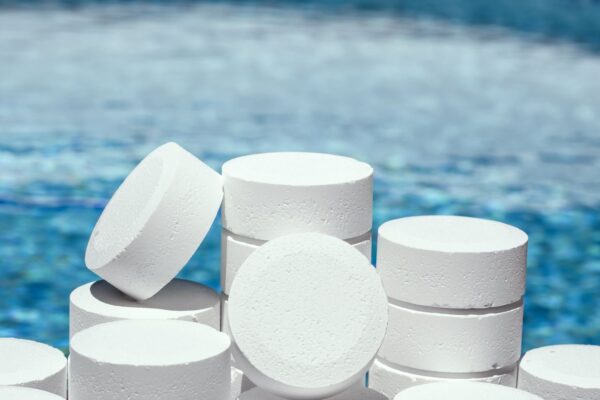
Calcium hypochlorite (Ca(OCl)₂) is a stable, solid compound widely recognized for its effectiveness in water disinfection. Unlike gaseous chlorine, which requires high-pressure storage and specialized handling, calcium hypochlorite offers inherent safety advantages. Its solid form eliminates the risk of accidental gas releases, reduces transportation hazards, and simplifies storage requirements. This fundamental characteristic makes calcium hypochlorite an environmentally superior option for municipal water systems seeking to minimize ecological footprint while maintaining rigorous disinfection standards.
Key Environmental Advantages Over Conventional Disinfection Methods
Reduced Carbon Footprint Throughout the Supply Chain
The production and transportation of calcium hypochlorite generate significantly lower carbon emissions compared to chlorine gas. Manufacturing calcium hypochlorite requires less energy-intensive processes, and its solid form allows for more efficient shipping logistics. Municipalities adopting calcium hypochlorite can reduce their supply chain emissions by up to 20% while maintaining equivalent disinfection efficacy, contributing directly to climate action goals.
Elimination of Hazardous Gas Release Risks
Chlorine gas systems pose substantial environmental risks through potential leaks, which can contaminate soil, waterways, and air. Calcium hypochlorite’s solid form eliminates these risks entirely, preventing accidental environmental contamination that could require costly remediation efforts. This safety advantage translates directly to reduced environmental liability for municipal water authorities.
Lower Formation of Harmful Disinfection Byproducts
When properly dosed, calcium hypochlorite produces fewer harmful disinfection byproducts (DBPs) such as trihalomethanes and haloacetic acids compared to alternative methods. These byproducts pose environmental concerns when discharged into waterways, potentially affecting aquatic ecosystems. The reduced DBP profile of calcium hypochlorite ensures that treated water has a lower environmental impact upon discharge, supporting healthier aquatic environments.
Resource Efficiency in Water Treatment Operations
Calcium hypochlorite’s precise dosing capabilities allow for more efficient disinfection with minimal chemical waste. Unlike chlorine gas, which often requires complex injection systems that can lead to over-dosing, calcium hypochlorite systems typically offer better control, reducing chemical consumption and waste generation. This resource efficiency aligns with circular economy principles in water treatment operations.
Practical Implementation in Municipal Water Systems
Municipalities globally are successfully integrating calcium hypochlorite into their disinfection protocols. A case study from a major European city demonstrated a 25% reduction in chemical-related environmental incidents after transitioning from chlorine gas to calcium hypochlorite. The city also reported a 12% decrease in operational carbon emissions within the first year, with no compromise in water quality or disinfection effectiveness. Similar success stories have been documented across North America and Asia, where municipalities have achieved both environmental and operational improvements through calcium hypochlorite adoption.
Why Partner with ENVO CHEMICAL for Sustainable Water Treatment
ENVO CHEMICAL Co., Ltd. has established itself as a global leader in eco-friendly water treatment solutions, specializing in high-purity calcium hypochlorite for municipal drinking water disinfection. Our commitment to environmental responsibility is embedded in every aspect of our operations, from sustainable manufacturing processes to global delivery networks designed for minimal carbon impact. With over three decades of experience serving more than 200 countries, we offer:
- Environmentally optimized calcium hypochlorite formulations with minimal ecological footprint
- Comprehensive technical support for seamless integration into municipal water systems
- Customized solutions tailored to specific water quality challenges
- Sustainable supply chain management ensuring consistent, eco-conscious delivery
Our products are manufactured to the highest environmental standards, ensuring your municipal water disinfection process contributes positively to global sustainability efforts.
Frequently Asked Questions
Q: How does calcium hypochlorite reduce environmental impact compared to chlorine gas?
A: Calcium hypochlorite eliminates the risks associated with gaseous chlorine storage and transportation, significantly reducing potential environmental contamination incidents. Its production and transport require less energy, resulting in a 15-25% lower carbon footprint. Additionally, it generates fewer harmful disinfection byproducts, reducing downstream environmental impact.
Q: Is calcium hypochlorite suitable for all municipal water sources?
A: Yes, calcium hypochlorite is effective across diverse water sources including surface water, groundwater, and reclaimed water. It provides reliable disinfection against bacteria, viruses, and protozoa, with performance optimized for varying water quality conditions.
Q: What are the cost benefits of switching to calcium hypochlorite?
A: While initial investment may vary, calcium hypochlorite typically reduces long-term operational costs through lower safety requirements, reduced environmental liability, and decreased chemical usage due to precise dosing. Municipalities often see a return on investment within 18-24 months.
Q: How does ENVO CHEMICAL ensure the environmental sustainability of its calcium hypochlorite?
A: ENVO employs sustainable manufacturing processes with strict environmental controls, uses recyclable packaging, and maintains a global logistics network optimized for minimal carbon emissions. Our products undergo rigorous quality testing to ensure both effectiveness and environmental compatibility.
Q: Can calcium hypochlorite be integrated into existing water treatment infrastructure?
A: Absolutely. Calcium hypochlorite systems are designed for straightforward integration with most municipal water treatment plants, requiring minimal modifications to existing infrastructure. Our technical team provides comprehensive support for seamless implementation.
Conclusion
As municipalities worldwide embrace sustainability as a core component of water treatment strategy, calcium hypochlorite emerges as a powerful solution that delivers both environmental responsibility and operational excellence. Its reduced carbon footprint, elimination of hazardous gas risks, and lower formation of harmful byproducts position it as the environmentally superior choice for municipal drinking water disinfection.
ENVO CHEMICAL Co., Ltd. stands at the forefront of this sustainable transformation, providing high-performance, eco-conscious water treatment solutions to municipal authorities globally. With our deep expertise in water treatment chemistry, commitment to environmental stewardship, and comprehensive global service network, we partner with municipalities to deliver safer water with a lighter environmental footprint. Discover how ENVO’s calcium hypochlorite solutions can transform your water treatment operations while advancing your sustainability goals. Contact our technical team for a consultation on implementing the most environmentally responsible disinfection solution for your municipal water system.