
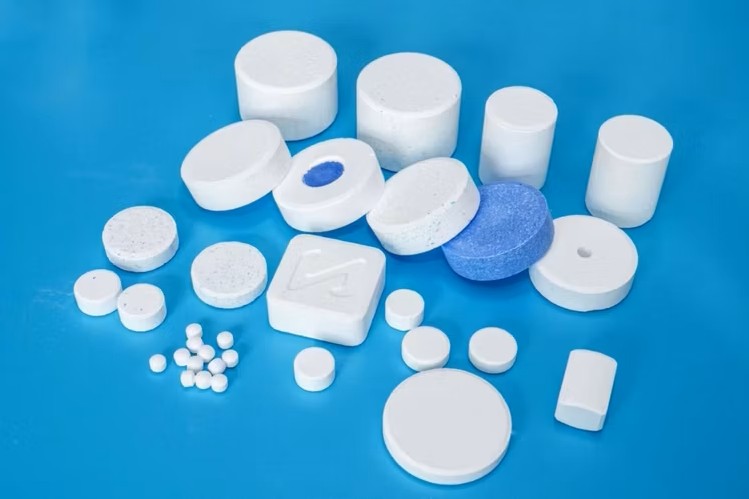
EPA Approved Calcium Hypochlorite Suppliers for Pharmaceutical Businesses
Author: Dr. Marcus Richardson
Introduction: Why Pharmaceutical Companies Can’t Afford Compromises on Water Treatment Chemicals
In my fifteen years consulting for pharmaceutical manufacturers across North America and Europe, I’ve witnessed one critical truth: water quality directly impacts drug safety. When you’re producing medications that will enter human bodies, there’s absolutely no room for error in your water treatment protocols.
Calcium hypochlorite stands as one of the most effective disinfectants for pharmaceutical water systems. However, not all suppliers meet the rigorous standards that pharmaceutical operations demand. The U.S. Environmental Protection Agency (EPA) maintains strict registration requirements, and understanding which suppliers carry proper approvals can mean the difference between seamless production and costly regulatory setbacks.
This guide walks you through everything you need to know about selecting EPA-approved calcium hypochlorite suppliers specifically for pharmaceutical applications. I’ll share insights from real-world compliance challenges and help you avoid the pitfalls I’ve seen derail production schedules.
Understanding EPA Registration Requirements for Calcium Hypochlorite
What EPA Approval Actually Means
The EPA regulates calcium hypochlorite under the Federal Insecticide, Fungicide, and Rodenticide Act (FIFRA). When a supplier claims EPA approval, they’re indicating their manufacturing facility and product formulations have undergone thorough review. For pharmaceutical businesses, this validation carries exceptional weight.
EPA registration involves several critical components:
- Facility Inspection: Manufacturing sites must pass rigorous environmental and safety audits
- Product Formulation Review: Each concentration and grade requires separate documentation
- Quality Control Protocols: Suppliers must demonstrate consistent purity levels across batches
- Labeling Compliance: All product information must meet federal disclosure requirements
In 2025, the EPA approved 178 disinfectant registrations—nearly four times the volume from 2024. This surge indicates renewed efficiency in the approval process, but it also means pharmaceutical procurement teams must exercise heightened diligence when verifying supplier credentials.
Pharmaceutical-Grade Versus Industrial-Grade Distinctions
Here’s where many companies make costly mistakes. Industrial-grade calcium hypochlorite might carry EPA registration for general water treatment, but pharmaceutical applications demand significantly higher purity standards.
Pharmaceutical-grade calcium hypochlorite typically requires:
- Purity levels exceeding 70% available chlorine
- Heavy metal content below detectable thresholds
- Consistent particle size distribution for reliable dissolution
- Comprehensive Certificate of Analysis (CoA) with each shipment
- NSF/ANSI/CAN 60 certification for drinking water treatment applications
I’ve consulted with facilities that purchased seemingly compliant products only to discover during FDA audits that their supplier lacked proper pharmaceutical-grade documentation. The resulting production halts cost hundreds of thousands in lost revenue.
Key Criteria for Selecting EPA Approved Suppliers
Verification of Registration Numbers
Every EPA-registered product carries a unique registration number. Don’t simply take a supplier’s word—verify independently through the EPA’s Pesticide Product Label System (PPLS). This database provides current registration status, approved uses, and any restrictions that might affect pharmaceutical applications.
Ask potential suppliers for:
- EPA Establishment Number
- Product Registration Number
- Current registration expiration dates
- Any pending compliance actions or violations
Quality Assurance Documentation
Pharmaceutical operations thrive on documentation. Your calcium hypochlorite supplier should provide:
- Batch-specific Certificates of Analysis showing actual test results, not just specifications
- Stability Data demonstrating product performance over shelf life
- Impurity Profiles detailing potential contaminants and their concentrations
- Storage and Handling Guidelines specific to pharmaceutical environments
Supply Chain Transparency
Recent industry disruptions have highlighted the importance of understanding your supplier’s complete supply chain. Where do they source raw materials? Do they manufacture in-house or repackage from third parties? How do they handle quality deviations?
I recommend requesting a supply chain map during supplier qualification. Reputable manufacturers welcome these questions and maintain transparent documentation practices.
Common Compliance Challenges in Pharmaceutical Water Treatment
Cross-Contamination Prevention
Pharmaceutical facilities operate under Current Good Manufacturing Practices (cGMP). Your water treatment chemicals must not introduce contamination risks. This means:
- Dedicated packaging for pharmaceutical-grade products
- Separate storage and handling from industrial chemicals
- Clean room-compatible packaging materials when required
- Traceability from production to delivery
Regulatory Audit Preparedness
FDA auditors increasingly scrutinize water treatment chemical sourcing. During my consulting work, I’ve helped numerous facilities prepare for these examinations. Key documentation includes:
- Supplier qualification records
- Incoming material testing results
- Water quality monitoring data showing treatment effectiveness
- Deviation reports and corrective actions
Having EPA-approved suppliers simplifies this process considerably, but documentation must remain current and accessible.
Consistency Across Production Batches
Pharmaceutical manufacturing demands consistency. Variations in calcium hypochlorite quality can affect water treatment efficacy, potentially compromising entire production batches. Work with suppliers who demonstrate:
- Statistical process control in manufacturing
- Low coefficient of variation in purity testing
- Proactive communication about any formulation changes
- Robust complaint investigation procedures
Making the Final Supplier Decision
Requesting Samples for Validation Testing
Before committing to a supplier, obtain samples for independent validation. Your quality control laboratory should verify:
- Available chlorine concentration matches specifications
- Dissolution rates meet operational requirements
- No unexpected impurities appear in testing
- Compatibility with existing water treatment systems
Evaluating Total Cost of Ownership
Price per kilogram tells only part of the story. Consider:
- Shipping costs and minimum order quantities
- Shelf life and storage requirements
- Technical support availability
- Emergency supply capabilities
- Regulatory compliance assistance
Sometimes paying a premium for a thoroughly vetted EPA-approved supplier saves substantial costs in avoided compliance issues and production disruptions.
Building Long-Term Partnerships
The best supplier relationships extend beyond transactional exchanges. Look for partners who:
- Invest in understanding your specific pharmaceutical applications
- Provide proactive regulatory updates
- Offer technical support for troubleshooting
- Maintain contingency plans for supply continuity
Frequently Asked Questions (FAQ)
Q1: How do I verify if a calcium hypochlorite supplier is truly EPA-approved?
Visit the EPA’s Pesticide Product Label System (PPLS) online database. Enter the supplier’s registration number to confirm current status, approved uses, and any restrictions. Always request documentation directly from the supplier as well.
Q2: What’s the difference between EPA registration and NSF certification?
EPA registration focuses on environmental safety and proper labeling for pesticide/disinfectant products. NSF/ANSI/CAN 60 certification specifically addresses drinking water treatment chemicals and their health effects. Pharmaceutical facilities often require both.
Q3: Can I use industrial-grade calcium hypochlorite for pharmaceutical water systems?
Technically possible, but strongly discouraged. Industrial grades may contain impurities unacceptable for pharmaceutical applications. FDA auditors expect pharmaceutical-grade materials with appropriate documentation. The risk isn’t worth potential savings.
Q4: How often should I re-qualify my calcium hypochlorite supplier?
Industry best practices suggest annual re-qualification, with additional verification if the supplier experiences ownership changes, facility relocations, or regulatory actions. Maintain ongoing performance monitoring throughout the relationship.
Q5: What should I do if my supplier’s EPA registration expires?
Immediately contact the supplier for updated documentation. Do not accept product shipments until registration is renewed and verified. Have backup suppliers qualified to prevent production disruptions.
Q6: Are there specific storage requirements for pharmaceutical-grade calcium hypochlorite?
Yes. Store in cool, dry areas away from incompatible materials. Maintain original packaging with intact labels. Implement first-in-first-out (FIFO) inventory management. Document storage conditions as part of your quality system.
Final Thoughts
Selecting the right EPA-approved calcium hypochlorite supplier represents a critical decision for pharmaceutical businesses. The stakes extend far beyond simple procurement—water quality affects product safety, regulatory compliance, and ultimately patient health.
Take time to thoroughly vet potential suppliers. Verify their EPA registrations independently. Demand comprehensive documentation. Build relationships with partners who understand pharmaceutical industry demands.
The investment in proper supplier qualification pays dividends through smooth audits, consistent production, and peace of mind knowing your water treatment protocols meet the highest standards.
Have questions about calcium hypochlorite sourcing for your pharmaceutical operation? Reach out to discuss your specific requirements and compliance needs.
Author: Dr. Marcus Richardson
Water Treatment Compliance Consultant | 15+ Years Pharmaceutical Industry Experience
