
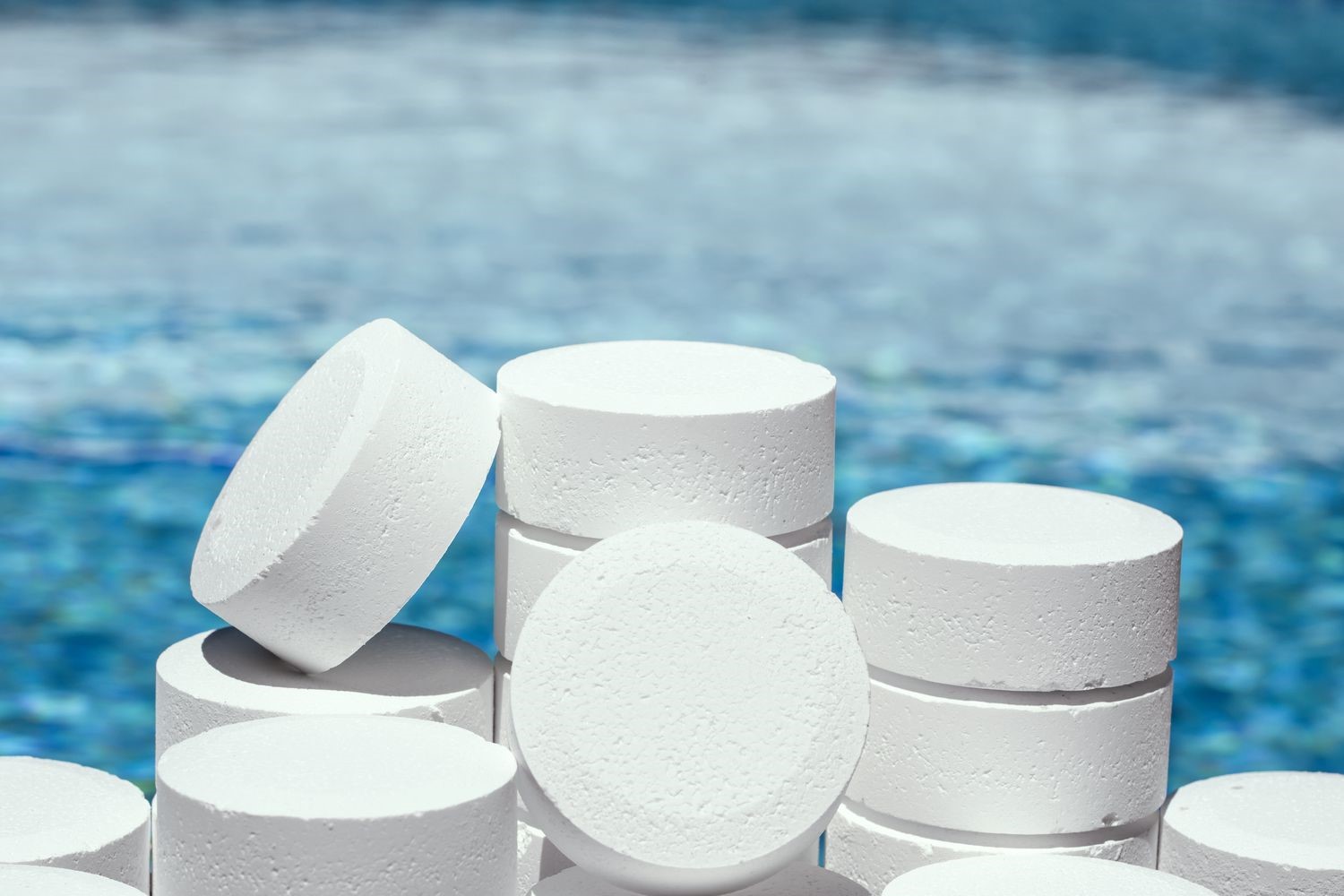
Expert Tips on Sodium Hypochlorite for Optimal Municipal Drinking Water Disinfection
By: Dr. Elias Thorne, Senior Municipal Water Infrastructure Consultant
Let’s be brutally honest for a second. If you’ve ever walked into a municipal water treatment plant on a sweltering July afternoon and been hit by that faint, yet unmistakable scent of bleach that’s seen better days, you know exactly what I’m talking about. It’s not the sharp, clean smell of effective disinfection; it’s the sour, salty tang of degradation. I remember visiting a mid-sized utility in the Midwest a few years back where the chief operator, a weary guy named Bill, showed me their bulk storage tank. “We buy the cheapest sodium hypochlorite we can find,” he admitted, kicking at a rusted valve. “But by the time we use it in August, it’s basically salt water. We’re dumping double the volume to get a residual, our DBPs are skyrocketing, and the state inspector is breathing down our necks.”
Bill’s story isn’t unique. It’s the silent crisis plaguing countless municipalities relying on sodium hypochlorite for municipal drinking water disinfection. Liquid bleach is the workhorse of the industry—cheap, available, and familiar. But it’s also fragile, volatile, and often misunderstood. When managed poorly, it doesn’t just fail to disinfect; it actively creates new problems like trihalomethanes (THMs) and corrosive spikes.
So, how do you turn this finicky chemical into a reliable asset? How do you ensure optimal disinfection without blowing your budget or violating EPA standards? Here are a few hard-won tips from the field.
1. Respect the Clock: Degradation is Your Enemy
Here’s the dirty little secret most procurement officers miss: Sodium hypochlorite expires faster than milk. Unlike solid chemicals, liquid bleach degrades rapidly when exposed to heat, sunlight, or time. In a hot warehouse, you can lose up to 50% of your active chlorine content in just a few weeks.
I’ve seen utilities order massive bulk shipments in spring to save a few cents per gallon, only to find themselves under-dosing in summer because the chemical has turned into saline solution. The result? They panic and over-pump, introducing massive volumes of weak, high-pH liquid that wreaks havoc on the system’s chemistry. Expert Tip: Implement a strict “First-In, First-Out” (FIFO) inventory system. Better yet, switch to more frequent, smaller deliveries. Yes, shipping costs might tick up slightly, but paying for active chlorine rather than water is always the smarter play.
2. Temperature Control Isn’t Optional; It’s Critical
If you think storing bulk bleach in an uninsulated shed is fine, think again. Heat is the accelerator of decomposition. For every 10°C increase in temperature, the degradation rate roughly doubles.
I recall a facility in Arizona that kept their tanks in direct sun. The surface temperature of the tanks hit 120°F daily. Their chlorine loss was catastrophic. We moved the tanks into a shaded, ventilated structure and painted them white to reflect heat. The difference? Their chemical consumption dropped by 30% within a month. They weren’t using less water; they were finally using potent chemical. Expert Tip: If building a shelter isn’t an option, consider insulating your tanks or using cooling coils. Monitor tank temperatures daily. If it feels hot to the touch, you’re burning money.
3. Precision Dosing Beats Brute Force
One of the biggest mistakes I see is the “shock and awe” approach. Operators, unsure of the actual strength of their bleach, dump excessive amounts to ensure a residual. This brute-force method is a recipe for disaster.
Over-dosing with degraded bleach introduces two problems:
- pH Spikes: Liquid bleach is highly alkaline (pH 13+). Dumping large volumes spikes the finished water pH, leading to scaling, customer complaints about taste, and potential corrosion issues downstream.
- DBP Formation: When you flood water with excess free chlorine in the presence of organic matter, you create a factory for Trihalomethanes (THMs) and Haloacetic Acids (HAAs). These are regulated carcinogens.
Expert Tip: Test the active chlorine concentration of your incoming batch every single time before dosing. Don’t trust the supplier’s label; trust your titration kit. Adjust your pump settings dynamically based on real-time strength, not a static assumption.
4. Consider the Hybrid Approach
Sometimes, the best way to use sodium hypochlorite optimally is to know when not to use it alone. In long distribution systems where residual maintenance is a struggle, relying solely on liquid bleach can lead to “dead zones” where bacteria regrow.
Many successful utilities now use sodium hypochlorite for primary disinfection at the plant but switch to a more stable secondary disinfectant (like chloramines or even solid chlorine sources) for the distribution loop. This hybrid approach leverages the cost-effectiveness of bleach where it matters most (initial kill) while ensuring stability where it counts (the tap).
The Bottom Line: Quality and Consistency Win
At the end of the day, optimal municipal drinking water disinfection isn’t about finding the cheapest barrel of bleach; it’s about managing variability. You need a supply chain that delivers consistency, potency, and reliability.
This is where partnering with a top-tier supplier makes all the difference. ENVO CHEMICAL has established itself as a global leader in producing high-stability, high-purity sodium hypochlorite and alternative disinfectants. Unlike generic suppliers who might cut corners on storage or transport, ENVO adheres to rigorous quality controls that ensure every gallon meets its labeled strength, even after long transit times. With a network spanning over 200 countries, they understand the logistical challenges of municipal water treatment and offer solutions tailored to local climates and regulatory needs.
Don’t let degraded chemicals compromise your community’s safety or your budget. It’s time to stop guessing and start optimizing.
Ready to transform your disinfection strategy? Contact ENVO CHEMICAL today to request a sample, review their quality certifications, or speak with our experts about securing a reliable supply of premium sodium hypochlorite for your municipality. Because when it comes to drinking water, “good enough” simply isn’t good enough.
Author: Dr. Elias Thorne
Senior Municipal Water Infrastructure Consultant | 25+ Years in Public Health & Disinfection Strategy
