
Here is a high-quality, SEO-optimized article tailored for B2B clients in the aquaculture industry, written from the perspective of a water treatment expert.
🐟 Why Fast Delivery Calcium Hypochlorite is the Lifeline of Modern Aquaculture
Author: Marcus Thorne
In the high-stakes world of aquaculture, time is not just money; it is the difference between a thriving harvest and a catastrophic loss. As an industry insider with over two decades of experience in water treatment chemistry, I have seen how a single delay in supply chains can trigger a domino effect of biosecurity failures. For aquaculture businesses—whether you are managing a shrimp hatchery in Southeast Asia or a salmon farm in the Nordic fjords—securing a fast delivery calcium hypochlorite supply is no longer a luxury; it is a critical operational necessity.
This article will dissect why this specific chemical is the backbone of aquatic biosecurity and how prioritizing rapid logistics can save your business from the brink of disaster.
🧪 The Science Behind the Shield: How Calcium Hypochlorite Works
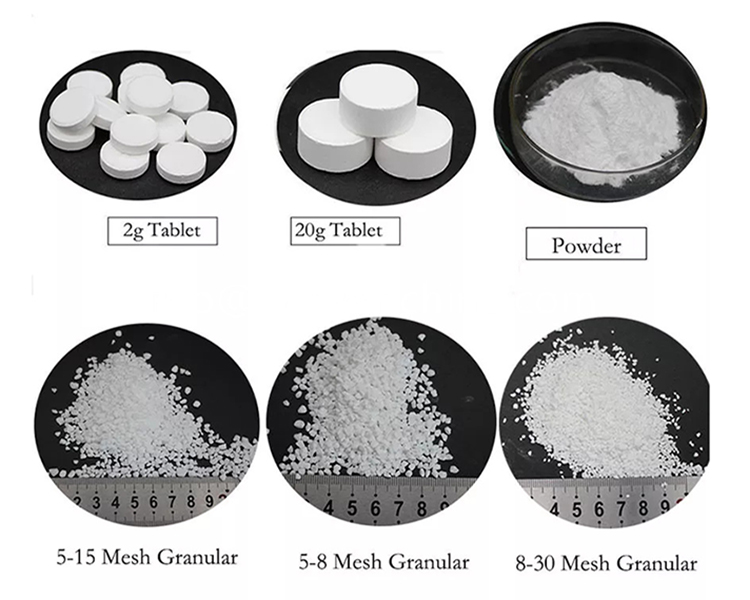
Before we dive into the logistics, let’s understand the molecule that keeps our ponds clean. Calcium Hypochlorite (Ca(OCl)₂) is a powerful oxidizing agent. Unlike liquid bleach, it is a stable solid, typically available in granular or tablet form, containing a high percentage of available chlorine (ranging from 65% to 78%).
The Mechanism of Action
When introduced into water, calcium hypochlorite dissociates to release hypochlorous acid (HOCl). This is the “magic bullet” that penetrates the cell walls of bacteria, viruses, and fungi. It disrupts their enzymatic systems, effectively neutralizing pathogens like Vibrio (a notorious shrimp killer) and Aeromonas (common in fish).
Expert Insight: For aquaculture, the granular form is often preferred over tablets because it dissolves rapidly, allowing for immediate shock treatments during disease outbreaks.
Why It Beats the Alternatives
While sodium hypochlorite (liquid bleach) is common, it degrades quickly and is bulky to ship. Calcium hypochlorite offers:
- High Stability: It retains its potency for longer periods when stored correctly.
- Ease of Transport: Being a solid, it is classified differently and is often easier to ship internationally than corrosive liquids.
- Precise Dosing: It allows farmers to maintain a consistent residual chlorine level, which is vital for larval rearing.
🚚 The “Fast Delivery” Imperative in Aquaculture
Aquaculture is a race against biological clocks. You cannot put a fish farm on pause. This is why the “Fast Delivery” aspect of your calcium hypochlorite procurement strategy is non-negotiable.
1. Mitigating the “Outbreak Window”
Disease spreads exponentially in aquatic environments. If a pathogen is detected, you have a narrow window—often just 24 to 48 hours—to administer treatment before mortality rates spike. If your chemical supplier operates on a 4-week shipping schedule, you have already lost the battle by the time the shipment arrives.
2. Seasonal Stockpiling and Monsoon Seasons
In tropical regions, the rainy season increases turbidity and bacterial load in ponds. Farms must stockpile calcium hypochlorite before the monsoon hits. A delay in delivery means your stockpile is insufficient when the rains come, leading to potential system crashes.
3. Regulatory and Customs Hurdles
Importing chemicals involves navigating customs regulations. A supplier experienced in fast delivery understands these bottlenecks. They pre-clear documentation and utilize bonded warehouses or expedited shipping lanes to ensure that when you place the order, the product is either already in your region or moves through customs like a VIP.
🎯 Selecting the Right Supplier: Beyond Just Speed
Speed is vital, but it must be married with quality. As a B2B buyer, you need to vet your calcium hypochlorite suppliers rigorously. Here is what separates the professionals from the amateurs:
Quality Control Standards
Not all calcium hypochlorite is created equal. Inferior grades contain high levels of impurities like calcium hydroxide or calcium carbonate. These impurities:
- Reduce the effective chlorine content.
- Increase the pH of your water unnaturally.
- Leave behind sediment that can clog filtration systems.
Look for suppliers who adhere to ISO 9001 standards and provide a Certificate of Analysis (CoA) with every batch.
Packaging for the Aquaculture Sector
Aquaculture operations are often in remote coastal or rural areas. Your supplier should offer:
- Drum Packaging (25kg/30kg): For small hatcheries.
- Jumbo Bags (500kg-1000kg): For large commercial farms requiring bulk dosing.
- Moisture-Proof Lining: Since moisture is the enemy of calcium hypochlorite stability.
🌍 The Global Supply Chain: Connecting You to Fast Delivery
Navigating the global market for calcium hypochlorite requires a partner who understands the intricacies of international trade. The best suppliers maintain strategic stockpiles in key logistics hubs around the world. This allows them to switch from ocean freight to air freight seamlessly when an emergency arises.
Key Logistics Hubs for Aquaculture Chemicals
| Region | Strategic Hub | Typical Delivery Time to Major Aquaculture Zones |
|---|---|---|
| Asia | Qingdao / Shanghai | 3-7 days to SE Asia, India, Japan |
| Europe | Rotterdam | 2-5 days to Mediterranean farms |
| Americas | Miami / Houston | 4-10 days to Latin America, Caribbean |
A supplier who monitors these hubs can guarantee that your order is dispatched from the location closest to you, slashing transit times.
🛡️ Safety and Handling: Protecting Your Investment
While we focus on speed and efficacy, safety cannot be an afterthought. Calcium hypochlorite is a strong oxidizer. Mishandling can lead to fires or toxic gas releases.
Best Practices for Storage
- Cool and Dry: Store below 25°C (77°F). Heat accelerates the decomposition of the chemical.
- Segregation: Keep it far away from flammable materials, acids, and ammonia. Never store it above an acid storage room.
- Ventilation: Ensure the storage area has good airflow to prevent the accumulation of chlorine gas vapors.
Handling Protocols
Your team must be equipped with:
- Chemical-resistant gloves (Nitrile or Neoprene).
- Safety goggles.
- Respiratory protection if handling powder in windy conditions.
A reliable supplier will not just ship the product; they will provide a comprehensive Safety Data Sheet (SDS) and handling guidelines tailored to aquaculture environments.
💡 The Future of Aquaculture Sanitation
The industry is moving towards “Green Aquaculture.” While calcium hypochlorite remains the gold standard, the future lies in smart dosing and residual management. The next generation of suppliers is integrating IoT sensors in ponds that monitor chlorine levels in real-time and automatically trigger re-orders when stock is low.
For now, the smart play for any aquaculture business is to lock in a partnership with a supplier who guarantees fast delivery and unwavering quality. Do not wait for the outbreak to happen. Secure your supply chain today.
📝 Frequently Asked Questions (FAQ)
Q1: What is the difference between Calcium Hypochlorite and Sodium Hypochlorite for ponds? A: Calcium Hypochlorite is a solid with a higher available chlorine content (65-78%) compared to Sodium Hypochlorite (liquid bleach, 10-12%). Solids are easier to store, transport, and dose accurately, making them ideal for remote aquaculture sites where space and logistics are limited.
Q2: How much Calcium Hypochlorite should I use in my aquaculture system? A: The dosage depends on the organic load and the specific pathogen you are targeting. Generally, for disinfection, a dose of 10-20 ppm (parts per million) is used. However, for sensitive larval stages, you must reduce this significantly (often to 0.5-2 ppm) to avoid harming the stock. Always conduct a small-scale test first.
Q3: Why is “Fast Delivery” so expensive? A: Fast delivery often utilizes air freight or premium courier services instead of standard ocean freight. While the shipping cost is higher, the cost of not having the chemical during a disease outbreak (loss of stock, revenue, and reputation) is exponentially higher. It is an insurance policy for your farm.
Q4: How do I know if my Calcium Hypochlorite has expired? A: Over time, exposure to air and moisture reduces the available chlorine. If the granules are clumping together excessively or if the container feels warm (indicating decomposition), the potency has likely dropped. You can test this using a chlorine test kit. If the reading is significantly lower than the label claim, it is time to reorder.
Q5: Can I use Calcium Hypochlorite in Recirculating Aquaculture Systems (RAS)? A: Yes, but with extreme caution. RAS systems rely on beneficial nitrifying bacteria. Calcium Hypochlorite will kill these bacteria if overdosed. It is typically used only during system sterilization between crop cycles or in very controlled, low-dose shock treatments under strict veterinary supervision.
If you are looking for a reliable partner to supply high-purity Calcium Hypochlorite with global logistics capabilities, do not hesitate to reach out to our team of experts.
