
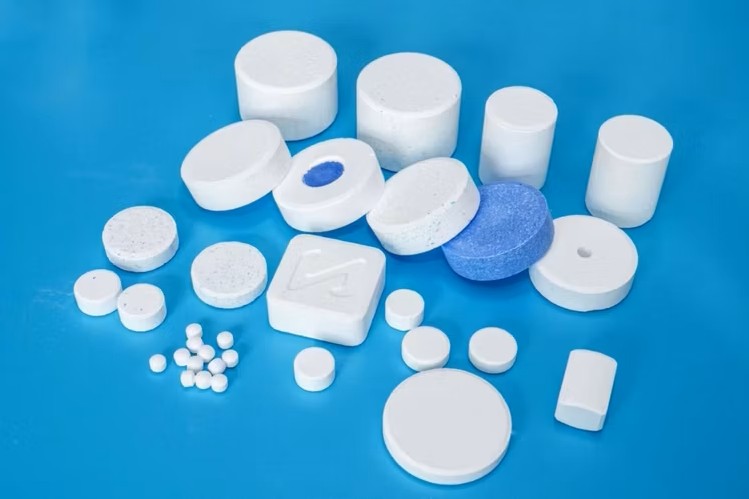
Get Quotes for High Quality TCCA for Livestock Farming
Introduction
In the modern livestock farming industry, maintaining optimal biosecurity and sanitation standards is not just a regulatory requirement—it’s a critical factor determining operational success and profitability. Among the various disinfection solutions available, Trichloroisocyanuric Acid (TCCA) has emerged as a premier choice for agricultural professionals seeking reliable, cost-effective, and high-performance disinfection capabilities. This comprehensive guide explores why high quality TCCA is essential for livestock farming operations and how sourcing the right supplier can transform your farm’s health management protocols.
Understanding TCCA: The Science Behind Effective Disinfection
What is Trichloroisocyanuric Acid?
Trichloroisocyanuric Acid, commonly abbreviated as TCCA, is an organic compound with the chemical formula C₃Cl₃N₃O₃ and CAS number 87-90-1. This white crystalline powder functions as a powerful oxidizing agent and chlorinating compound, releasing available chlorine when dissolved in water. With an effective chlorine content exceeding 90%, TCCA delivers exceptional disinfection power while maintaining stability during storage and transportation.
Key Chemical Properties
High quality TCCA exhibits several characteristics that make it ideal for agricultural applications:
- High Available Chlorine Content: Typically 90-99% purity ensures maximum disinfection efficiency
- Stable Composition: Maintains potency over extended storage periods under proper conditions
- Controlled Release: Gradual chlorine release provides sustained disinfection action
- Water Solubility: Dissolves effectively in water for easy application across various farming scenarios
- Low Toxicity Profile: Safer handling compared to many alternative disinfectants when used according to guidelines
Critical Applications of TCCA in Livestock Farming
Water Sanitation and Treatment
Clean water is fundamental to animal health and productivity. TCCA serves as an effective water treatment solution for:
- Drinking Water Disinfection: Eliminates harmful pathogens from livestock drinking systems
- Irrigation Water Treatment: Prevents waterborne disease transmission in farming environments
- Wastewater Management: Controls bacterial growth in farm drainage systems
- Storage Tank Maintenance: Prevents biofilm formation in water storage facilities
Facility Disinfection Protocols
Implementing comprehensive disinfection routines with TCCA protects your investment in livestock infrastructure:
- Barn and Shelter Sanitization: Regular treatment of animal housing areas reduces disease pressure
- Equipment Sterilization: Feeding troughs, milking equipment, and transport vehicles require thorough disinfection
- Footbath Solutions: Entry point disinfection prevents pathogen introduction from external sources
- Post-Outbreak Recovery: Rapid response disinfection following disease incidents
Biosecurity Enhancement
Modern livestock operations demand robust biosecurity measures. TCCA contributes to:
- Perimeter Protection: Creating disinfection barriers around farm boundaries
- Visitor Control: Ensuring all personnel follow proper sanitation protocols
- Vehicle Disinfection: Treating transport vehicles entering and leaving premises
- Quarantine Area Management: Isolating and treating new or sick animals effectively
Advantages of Choosing High Quality TCCA
Cost-Effectiveness for Large-Scale Operations
When evaluating disinfection solutions for livestock farming, total cost of ownership matters more than initial purchase price. High quality TCCA offers:
- Concentrated Formula: Less product required per application compared to lower-grade alternatives
- Extended Shelf Life: Reduced waste from product degradation during storage
- Versatile Application: Single product suitable for multiple disinfection scenarios
- Bulk Purchase Benefits: Economical pricing for large-volume agricultural buyers
Reliability and Consistency
Farm operations cannot afford disinfection failures. Premium TCCA suppliers provide:
- Batch Consistency: Uniform quality across all shipments ensures predictable performance
- Certificate of Analysis: Documentation verifying purity and composition specifications
- Technical Support: Expert guidance on proper application rates and protocols
- Supply Chain Reliability: Consistent availability prevents operational disruptions
Safety and Environmental Considerations
Responsible farming requires balancing effectiveness with safety. Quality TCCA features:
- Lower Environmental Impact: Breaks down into less harmful byproducts compared to some alternatives
- Reduced Corrosion: Minimal damage to farm equipment and infrastructure when properly diluted
- Handler Safety: Established safety protocols protect workers during application
- Regulatory Compliance: Meets agricultural chemical standards in major markets
Selecting the Right TCCA Supplier for Your Farm
Quality Verification Criteria
Not all TCCA products deliver equivalent performance. Evaluate potential suppliers based on:
- Purity Specifications: Request documentation confirming 90%+ available chlorine content
- Manufacturing Standards: ISO certification and quality management systems indicate reliability
- Testing Protocols: Regular third-party testing ensures consistent product quality
- Packaging Integrity: Proper packaging prevents moisture absorption and product degradation
Supply Chain Considerations
Reliable supply chains protect your farming operations from disruptions:
- Production Capacity: Ensure supplier can meet your volume requirements consistently
- Lead Times: Understand delivery schedules for planning inventory management
- Geographic Coverage: Regional distribution networks affect shipping costs and timelines
- Emergency Supply Options: Backup availability for urgent disinfection needs
Technical Support and Partnership
The best suppliers function as partners in your farm’s success:
- Application Guidance: Expert recommendations on dosage rates for specific scenarios
- Training Resources: Educational materials for proper handling and application
- Problem Resolution: Responsive support when challenges arise
- Continuous Improvement: Updates on best practices and new application methods
Implementation Best Practices
Proper Storage and Handling
Maximize TCCA effectiveness through appropriate storage:
- Temperature Control: Store in cool, dry conditions away from direct sunlight
- Moisture Prevention: Keep containers sealed to prevent premature activation
- Separation Requirements: Store away from incompatible materials including ammonia compounds
- Inventory Rotation: Use older stock first to maintain product freshness
Application Guidelines
Achieve optimal results through correct application:
- Accurate Dilution: Follow recommended concentration rates for specific applications
- Contact Time: Allow sufficient exposure time for effective pathogen elimination
- Regular Monitoring: Test water quality and disinfection effectiveness periodically
- Documentation: Maintain records of applications for compliance and optimization
Conclusion
Investing in high quality TCCA for livestock farming represents a strategic decision that impacts animal health, operational efficiency, and long-term profitability. By partnering with reputable suppliers who prioritize quality, consistency, and technical support, farm operators can establish disinfection protocols that protect their livestock investments while maintaining cost-effective operations.
The decision to source premium TCCA products goes beyond simple procurement—it’s about building a foundation for sustainable, healthy, and productive farming operations. Take the time to evaluate suppliers carefully, verify quality specifications, and establish relationships that support your farm’s ongoing success.
Frequently Asked Questions (FAQ)
Q1: What is the recommended concentration of TCCA for livestock drinking water disinfection?
A: For drinking water applications, typical concentrations range from 1-5 ppm (parts per million) of available chlorine. However, specific requirements vary based on water quality, animal species, and local regulations. Always consult with your supplier and conduct water testing to determine optimal dosing rates for your specific situation.
Q2: How long does TCCA remain effective after dissolution in water?
A: Once dissolved, TCCA solutions maintain effectiveness for several hours to days depending on environmental conditions, organic load, and temperature. For best results, prepare fresh solutions as needed and avoid storing diluted products for extended periods.
Q3: Can TCCA be used alongside other disinfectants in livestock farming?
A: TCCA should not be mixed with ammonia-containing compounds, acids, or reducing agents as dangerous reactions may occur. When transitioning between different disinfection products, thoroughly rinse equipment and facilities to prevent chemical interactions. Consult technical experts before combining any disinfection protocols.
Q4: What packaging options are available for bulk TCCA purchases?
A: High quality TCCA is typically available in 25kg bags, 50kg drums, or larger bulk containers for industrial agricultural users. Packaging choices depend on your consumption volume, storage capacity, and handling preferences. Discuss your requirements with suppliers to identify the most suitable packaging solution.
Q5: How should I store TCCA to maintain product quality?
A: Store TCCA in original sealed containers in a cool, dry, well-ventilated area away from direct sunlight and heat sources. Keep away from incompatible materials including ammonia, acids, and organic compounds. Proper storage can maintain product quality for 12-24 months depending on conditions.
Q6: What certifications should I look for when selecting a TCCA supplier?
A: Reputable suppliers should provide ISO quality management certification, product registration documentation, and Certificates of Analysis for each batch. Additional certifications may include REACH compliance, agricultural chemical registrations, and environmental management standards depending on your location and requirements.
Ready to secure high quality TCCA for your livestock farming operations? Visit our contact page to request personalized quotes and technical consultation tailored to your specific needs: https://envochemical.com/contact-us/
