
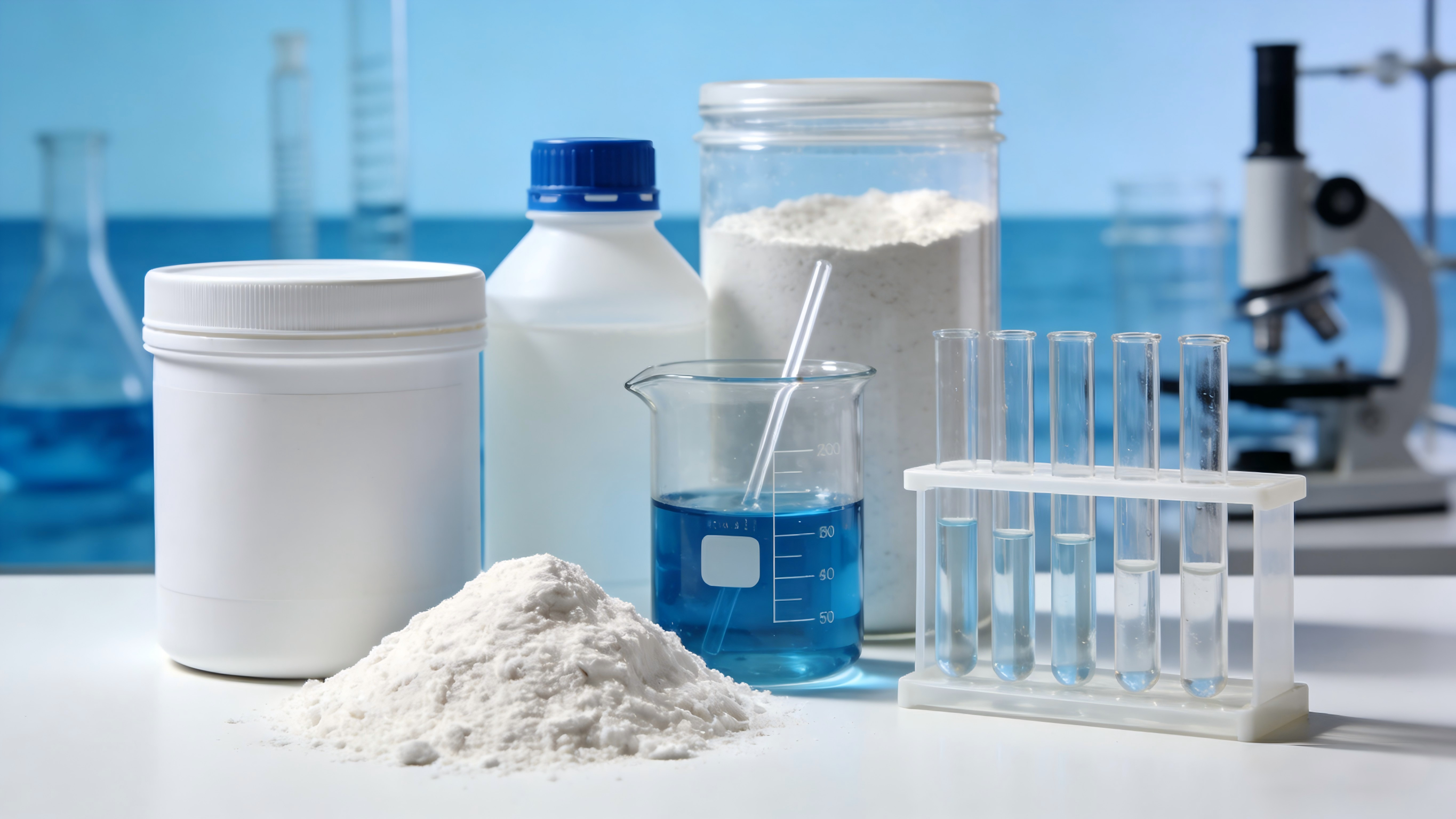
High Chlorine Calcium Hypochlorite for Efficient Beverage Manufacturing Use
By Dr. Marcus Thorne
In the high-stakes world of beverage manufacturing, consistency is not just a goal; it is a requirement. Every batch must meet rigorous safety standards, taste profiles must remain unchanged, and production lines need to operate without costly interruptions due to contamination. Over my two decades consulting for chemical procurement in the food and beverage sector, I have seen many solutions come and go. However, one staple remains undeniable in its utility: high chlorine calcium hypochlorite. When sourced and applied correctly, this compound becomes the backbone of an efficient sanitization strategy.
The Critical Role of Disinfection in Beverage Production
Water is the primary ingredient in most beverages, whether soft drinks, juices, or bottled water. Consequently, the quality of process water directly dictates the quality of the final product. Microbial contamination poses a significant risk, not only to consumer health but also to brand reputation. Traditional chlorination methods often struggle with stability and residual effectiveness. This is where high-grade calcium hypochlorite distinguishes itself.
Unlike liquid bleach, which degrades rapidly under heat and light, solid calcium hypochlorite offers superior stability. For production managers, this means predictable dosing and longer shelf life for inventory. In my experience working with large-scale bottling plants, the shift from liquid sodium hypochlorite to high-chlorine solid variants often results in a 15% reduction in chemical logistics costs simply due to reduced transport weight and volume.
Why High Chlorine Content Defines Efficiency
Not all calcium hypochlorite is created equal. The market is flooded with varying grades, but for industrial beverage use, the chlorine content is the critical metric. Standard grades might offer 65% available chlorine, but high-performance grades push towards 70% or higher. Why does this matter?
Higher chlorine content translates to lower dosage requirements to achieve the same parts per million (PPM) in solution. This efficiency reduces the amount of insoluble residue left behind in storage tanks and piping systems. Less residue means less frequent cleaning cycles and reduced downtime. Furthermore, high-purity grades typically contain fewer impurities, such as heavy metals, which is a non-negotiable factor when complying with food safety regulations like FDA or EFSA standards. When you calculate the total cost of ownership, the premium paid for higher chlorine content is often offset by operational savings.
Practical Applications Across the Production Line
The versatility of calcium hypochlorite extends beyond simple water treatment. In a typical beverage facility, I recommend a multi-point application strategy:
Primary Water Treatment
Incoming water sources must be disinfected before entering the production mix. High chlorine tablets or granules allow for precise control over residual chlorine levels, ensuring pathogens are eliminated without affecting the taste profile of the final beverage.
CIP (Clean-in-Place) Systems
Modern manufacturing relies heavily on automated CIP systems. Calcium hypochlorite solutions are highly effective for sanitizing pipes, tanks, and fillers between production runs. Its oxidizing power breaks down organic matter and biofilms that harbor bacteria.
Bottle and Cap Sanitization
Before filling, containers must be sterile. A controlled spray of calcium hypochlorite solution ensures that no external contaminants are introduced during the bottling process. This step is crucial for cold-fill beverages where pasteurization is not an option.
Navigating Safety and Regulatory Compliance
Handling oxidizing chemicals requires strict adherence to safety protocols. While calcium hypochlorite is robust, it must be stored away from organic materials and acids to prevent hazardous reactions. From a compliance standpoint, documentation is key. B2B buyers must ensure their suppliers provide comprehensive Safety Data Sheets (SDS) and certificates of analysis for every batch.
In recent years, regulatory bodies have tightened limits on disinfection byproducts (DBPs). Using high-purity calcium hypochlorite helps minimize the formation of unwanted byproducts like trihalomethanes, provided that dosing is managed correctly. I always advise clients to implement real-time monitoring systems to adjust dosing dynamically based on water quality fluctuations. This proactive approach prevents over-chlorination, which can lead to off-flavors, and under-chlorination, which risks safety.
Conclusion
Efficiency in beverage manufacturing is about balancing safety, cost, and quality. High chlorine calcium hypochlorite offers a proven, stable, and cost-effective solution for disinfection needs across the production line. By selecting the right grade and implementing strict handling protocols, manufacturers can safeguard their products while optimizing operational expenditures.
If you are looking to optimize your chemical procurement strategy or require specific technical data on high-grade calcium hypochlorite suitable for food processing, professional guidance is essential. Partnering with a supplier who understands the nuances of beverage manufacturing can make all the difference.
For more information on tailored chemical solutions and to request a quote, please visit https://envochemical.com/contact-us/
