
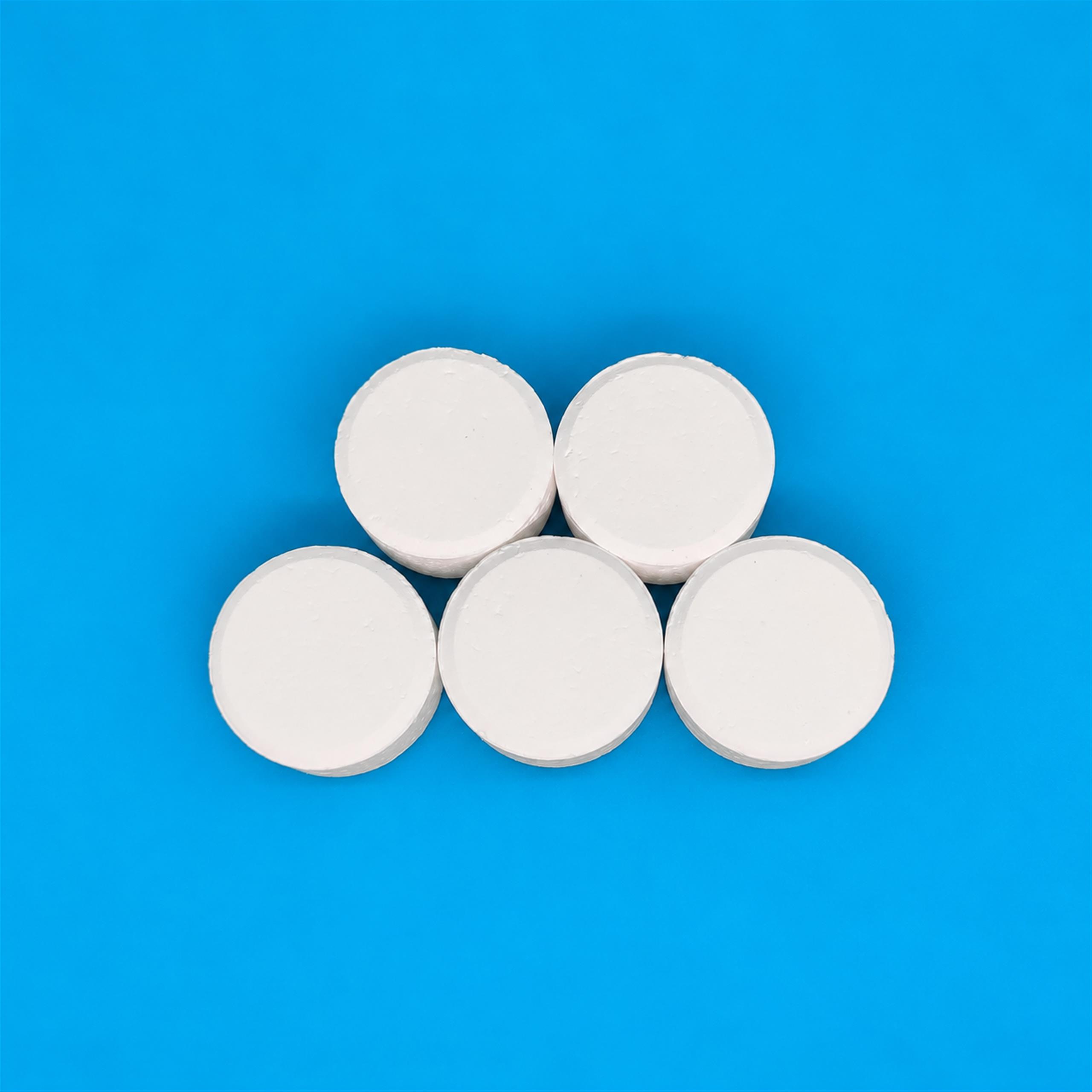
How to Store Opened NaDCC Water Purification Packs Between Trips
Once you open a pack of NaDCC (sodium dichloroisocyanurate) water purification tablets, reseal the remaining tablets in their original foil blister or transfer them to an airtight, moisture-proof container with a desiccant, and store them in a cool, dry, dark location away from direct sunlight and heat. This is the single most effective step to preserve available chlorine content between uses.
NaDCC is hygroscopic and reacts with moisture and carbon dioxide in the air. Without proper containment, opened tablets lose available chlorine over days or weeks, reducing their ability to reliably disinfect water on your next trip. The storage method you choose directly determines whether the remaining tablets will still meet the dosing requirements printed on the pack.
Why Opened NaDCC Packs Need Special Care
Unopened NaDCC water purification packs are typically sealed in foil-lined or aluminium blister packaging designed to keep moisture and air out. That barrier is broken the moment you tear or cut the pack open to access a tablet.
After opening, two degradation pathways become active. First, atmospheric moisture dissolves a thin layer of NaDCC on each tablet’s surface, initiating slow hydrolysis that releases chlorine gas rather than leaving it available for controlled dissolution in water. Second, carbon dioxide from the air can react with the alkaline components, further reducing the effective chlorine yield. Heat and ultraviolet light accelerate both processes.
The practical consequence is simple: tablets left loosely in a pocket, a zip-lock bag without a desiccant, or a humid vehicle will deliver less available chlorine than the label states. You may need to use more tablets to achieve the target dose, or the water may not reach a safe residual after the required contact time.
Step-by-Step Storage Method for Remaining Tablets
1. Reseal the Original Blister If Possible
If the pack uses individual foil blisters, fold the unused blisters back into their original sleeve and press the foil closed as tightly as you can. Many NaDCC packs have a fold-over flap or a press-seal strip. This is the quickest option and works well for short intervals of a few days.
Check that no tablets are cracked or chipped. Damaged tablets expose more surface area and degrade faster, so remove any visibly broken pieces and use them immediately rather than storing them.
2. Use an Airtight Container with a Desiccant
For longer gaps between trips, transfer the remaining tablets into a small airtight container—such as a screw-cap plastic jar, a reusable silicone pouch with a zip seal, or a metal tin with a rubber gasket. Place one or two silica-gel desiccant packets inside the container. The desiccant absorbs residual moisture that enters each time you open the container.
Do not use cotton, paper towels, or other absorbent materials as a substitute for a proper desiccant. They do not maintain a low enough relative humidity to protect NaDCC effectively.
3. Choose a Cool, Dry, Dark Location
Store the sealed container away from direct sunlight, radiators, car dashboards, and any source of sustained heat above 30 °C (86 °F). A cupboard, drawer, or insulated bag in a climate-controlled room is ideal. Avoid storing the container in a bathroom, near a kitchen sink, or anywhere humidity fluctuates widely.
If you travel frequently and need to carry the container in a backpack, keep it in an inner compartment rather than an external pocket where it may be exposed to rain or condensation.
How Long Can Opened NaDCC Tablets Be Stored?
No universal expiry applies to opened NaDCC tablets because storage conditions vary. Under good conditions—airtight container, desiccant, cool and dark—most NaDCC tablets retain usable available chlorine for several weeks to a few months beyond the pack’s printed shelf date. Under poor conditions—loose in a humid bag, exposed to heat—significant loss can occur within days.
The only reliable way to confirm that stored tablets still deliver the required dose is to test the available chlorine content, either with a simple DPD test kit or by checking the manufacturer’s stated shelf-life guidance for the specific product form. If you cannot verify the chlorine level, treat the remaining tablets as having reduced potency and adjust your dosing or plan to replace them before the next trip.
What to Avoid When Storing Opened Packs
- Do not mix opened NaDCC tablets with other chemicals. Contact with acids, ammonia-based products, or organic materials can cause rapid chlorine release or hazardous reactions.
- Do not store in a container previously used for food or drinks. Even rinsed containers can leave residues that react with NaDCC or contaminate the tablets.
- Do not rely on a simple zip-lock bag alone. Standard plastic bags are not truly airtight and allow moisture exchange, especially with temperature changes.
- Do not freeze opened packs. Freezing can cause tablet fracture and, upon thawing, introduces condensation inside the container, which defeats the purpose of dry storage.
Preparing for the Next Trip: Check Before You Go
Before packing for a new trip, open the storage container and inspect the tablets. They should be dry, intact, and free of clumping or a strong chlorine smell when the container is opened. If tablets are soft, sticky, discoloured, or clumped together, moisture has compromised them and they should not be relied upon for water treatment.
Carry the tablets in their sealed container rather than loose in a pocket or first-aid kit compartment. Include a spare pack or a small quantity of fresh tablets as a backup in case the stored tablets prove ineffective in the field.
When to Replace Rather Than Store
If the original pack has been open for an extended period—or if you cannot confirm how it was stored—replace the tablets before your next trip. NaDCC water purification packs are inexpensive relative to the risk of inadequate disinfection, and a fresh, unopened pack guarantees the labelled available chlorine content.
If you need guidance on the specific storage recommendations for a particular ENVO CHEMICAL NaDCC product form or pack size, contact our technical team with the product reference and your typical interval between uses so we can advise on the most suitable storage approach for your situation.
