
Import Calcium Hypochlorite for Fountain Companies: Pro Algae Control
Introduction
Maintaining pristine water quality in commercial fountains is a constant challenge for facility managers and fountain maintenance companies worldwide. Algae growth not only compromises the aesthetic appeal of water features but also poses significant health risks and increases operational costs. For fountain companies seeking reliable, cost-effective solutions, importing high-quality calcium hypochlorite represents a strategic advantage in professional algae control management.
This comprehensive guide explores why calcium hypochlorite has become the preferred choice for fountain water treatment, how to source it effectively, and what benefits it delivers to your business operations.
Understanding Calcium Hypochlorite for Fountain Applications
What Makes Calcium Hypochlorite Effective?
Calcium hypochlorite is a powerful oxidizing agent widely recognized for its exceptional disinfection capabilities. When dissolved in water, it releases chlorine that effectively eliminates algae, bacteria, and other microorganisms. For fountain companies, this translates to clearer water, reduced maintenance frequency, and enhanced customer satisfaction.
The compound typically contains 65-70% available chlorine, making it significantly more concentrated than liquid chlorine alternatives. This higher concentration means smaller storage requirements and longer shelf life, critical factors for businesses managing multiple fountain installations across different locations.
Key Advantages for Commercial Fountain Operations
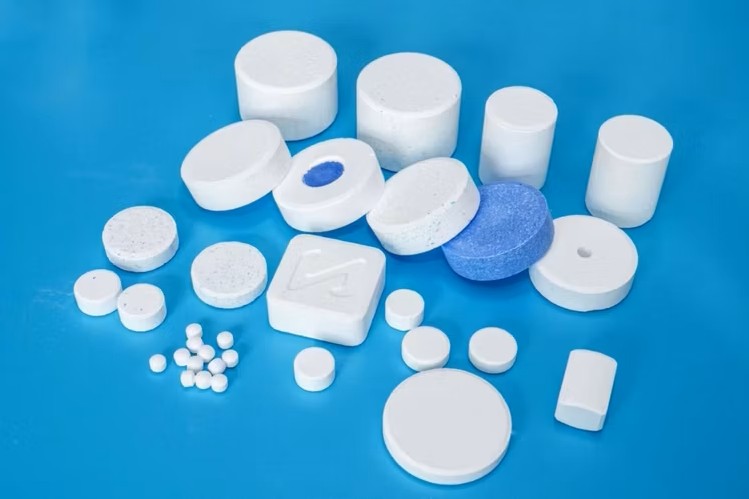
Fountain maintenance professionals choose calcium hypochlorite for several compelling reasons. First, its granular or tablet form allows for precise dosing control, ensuring consistent water treatment without over-chlorination. Second, the slow-dissolving properties provide sustained protection against algae regrowth, reducing the frequency of chemical applications.
Additionally, calcium hypochlorite remains stable under proper storage conditions, maintaining its effectiveness for extended periods. This stability is particularly valuable for fountain companies that purchase chemicals in bulk to manage costs effectively.
Sourcing Quality Calcium Hypochlorite for Your Business
What to Look for in a Supplier
When importing calcium hypochlorite, selecting the right supplier is paramount. Reputable manufacturers should provide comprehensive product specifications, safety data sheets, and certificates of analysis. Look for suppliers with established track records in water treatment chemicals and experience serving commercial clients.
Quality indicators include consistent chlorine content, minimal impurities, and proper packaging that protects the product from moisture and contamination. Industrial-grade calcium hypochlorite should meet international standards for water treatment applications.
Import Considerations for Fountain Companies
Importing calcium hypochlorite requires careful attention to regulatory compliance and logistics. Different countries have varying regulations regarding chlorine-based products, so understanding import requirements in your region is essential. Work with suppliers who can provide necessary documentation for customs clearance and regulatory compliance.
Shipping considerations include proper hazardous materials classification, packaging requirements, and transportation regulations. Experienced suppliers will guide you through these complexities, ensuring smooth delivery to your facility.
Implementing Effective Algae Control Programs
Dosage and Application Best Practices
Successful algae control depends on proper dosing strategies. For fountain applications, typical calcium hypochlorite concentrations range from 1-3 ppm depending on water volume, temperature, and environmental conditions. Regular water testing helps determine optimal dosage levels and prevents over-treatment.
Application methods vary based on fountain design and size. Some systems benefit from automated dosing equipment, while others require manual application during routine maintenance visits. Training your team on proper handling and application procedures ensures consistent results and workplace safety.
Monitoring and Maintenance Schedules
Establishing regular monitoring schedules is crucial for proactive algae management. Weekly water quality testing should measure chlorine levels, pH balance, and visual inspection for early algae signs. Documenting these readings helps identify patterns and adjust treatment protocols accordingly.
Preventive maintenance reduces emergency interventions and extends equipment lifespan. Combine calcium hypochlorite treatment with regular filter cleaning, debris removal, and system inspections for comprehensive fountain care.
Cost-Benefit Analysis for Fountain Companies
Long-Term Savings Through Bulk Importing
Importing calcium hypochlorite in bulk quantities offers significant cost advantages over purchasing smaller amounts locally. Bulk pricing typically reduces per-unit costs by 20-40%, directly improving profit margins for fountain maintenance contracts.
Reduced shipping frequency also lowers logistics expenses and administrative overhead. Companies managing multiple fountain installations can centralize chemical procurement, streamlining inventory management and reducing storage costs across locations.
ROI on Professional Water Treatment Solutions
Investing in quality calcium hypochlorite delivers measurable returns through reduced service calls, extended equipment life, and enhanced client retention. Customers appreciate consistently clean fountains and are more likely to renew maintenance contracts when water quality remains optimal.
Minimizing algae-related problems also reduces liability risks and protects your company reputation. Professional-grade water treatment demonstrates commitment to quality service, differentiating your business from competitors using inferior products.
Safety and Environmental Considerations
Proper Handling and Storage Protocols
Calcium hypochlorite requires careful handling to ensure workplace safety. Store products in cool, dry areas away from direct sunlight and incompatible materials. Personnel should wear appropriate protective equipment during handling and application.
Training programs should cover emergency procedures, spill management, and first aid measures. Maintaining safety data sheets on-site ensures quick access to critical information during incidents.
Environmental Responsibility
Responsible chemical use protects surrounding ecosystems and complies with environmental regulations. Proper dosing prevents excessive chlorine discharge into drainage systems. Consider implementing water recycling systems where feasible to minimize environmental impact.
Conclusion
Importing calcium hypochlorite for fountain algae control represents a smart business decision for companies committed to delivering exceptional water feature maintenance. The combination of effectiveness, cost efficiency, and operational flexibility makes it an ideal choice for professional fountain care programs.
By partnering with reliable suppliers and implementing best practices, fountain companies can achieve superior water quality while optimizing operational costs. The investment in quality calcium hypochlorite pays dividends through customer satisfaction, reduced maintenance burdens, and strengthened market position.
FAQ
Q: How often should calcium hypochlorite be applied to commercial fountains?
A: Application frequency depends on fountain size, usage, and environmental conditions. Most commercial fountains require treatment 2-3 times weekly during warm months, with reduced frequency in cooler seasons. Regular water testing determines optimal scheduling.
Q: Is calcium hypochlorite safe for fountains with decorative elements?
A: Yes, when properly dosed, calcium hypochlorite is safe for most fountain materials including stone, metal, and concrete. However, avoid direct contact with untreated metal surfaces and test on small areas when uncertain.
Q: What is the typical shelf life of imported calcium hypochlorite?
A: Properly stored calcium hypochlorite maintains effectiveness for 2-3 years. Store in original containers, keep dry, and protect from temperature extremes to maximize shelf life.
Q: Can calcium hypochlorite be used alongside other water treatment chemicals?
A: Yes, but compatibility should be verified before combining products. Never mix calcium hypochlorite with acids or ammonia-based products. Consult supplier guidelines for safe chemical combinations.
Q: What documentation is needed for importing calcium hypochlorite?
A: Required documents typically include commercial invoice, packing list, safety data sheets, certificate of analysis, and hazardous materials declarations. Requirements vary by country, so verify with local customs authorities.
