
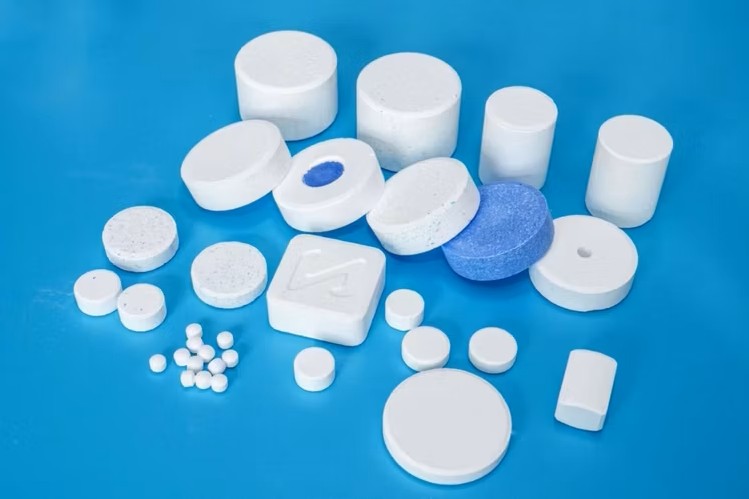
Import SDIC for Fountain Companies: Essentials Pro
Introduction
After spending over fifteen years in the water treatment chemical industry, I’ve witnessed countless fountain operators struggle with one persistent challenge: maintaining crystal-clear, safe water without breaking the bank. If you’re running a commercial fountain business, you understand the delicate balance between aesthetics, safety, and operational costs. That’s exactly why I’m writing this comprehensive guide on importing Sodium Dichloroisocyanurate (SDIC) – a game-changing disinfectant that has transformed how professional fountain companies manage water quality.
Throughout my career, I’ve consulted with hundreds of facility managers across North America, Europe, and Asia. The common thread? Everyone wants reliable, cost-effective water treatment solutions that comply with increasingly strict regulatory standards. SDIC delivers on all fronts, and in this article, I’ll walk you through everything you need to know before making your next bulk purchase decision.
Understanding SDIC: The Professional’s Choice for Fountain Water Treatment
What Makes SDIC Different?
Sodium Dichloroisocyanurate, commonly known as SDIC or NaDCC, isn’t your average pool chemical. This organic compound (CAS: 2893-78-9, molecular formula C₃Cl₂N₃NaO₃) offers something most alternatives simply cannot match: sustained chlorine release with exceptional stability.
When SDIC dissolves in water, it gradually releases hypochlorous acid – the active disinfecting agent. Unlike liquid chlorine that dissipates quickly, SDIC maintains effective chlorine levels for extended periods. In my experience working with large decorative fountain installations, this means fewer chemical additions, reduced labor costs, and more consistent water quality.
Key Advantages for Commercial Fountain Operations
Long-Lasting Disinfection Power
One client in Dubai operates a massive musical fountain complex with over 500,000 liters of circulating water. Before switching to SDIC, they were adding liquid chlorine twice daily. After implementation, they reduced chemical dosing to once every three days while maintaining better bacterial control. The available chlorine content typically ranges from 56% to 60%, providing potent antimicrobial action against bacteria, viruses, and algae.
Superior Stability in Various Conditions
Temperature fluctuations, UV exposure, and organic contamination all challenge water treatment systems. SDIC’s molecular structure makes it remarkably stable even in harsh conditions. I’ve seen it perform consistently in outdoor fountains exposed to direct sunlight throughout summer months – a scenario where many alternatives fail miserably.
Cost Efficiency at Scale
Here’s something many procurement managers overlook: the true cost isn’t just the price per kilogram. When you factor in reduced dosing frequency, lower storage requirements, and decreased transportation costs (SDIC is typically shipped as powder or tablets rather than bulky liquids), the total cost of ownership drops significantly. For companies importing in bulk quantities (200KG+), savings can reach 30-40% compared to traditional chlorine sources.
Critical Considerations When Importing SDIC for Your Fountain Business
Regulatory Compliance and Documentation
This is where many importers stumble. Different regions have varying requirements for water treatment chemicals. In the European Union, REACH compliance is mandatory. The 2025 SVHC (Substances of Very High Concern) list continues to evolve, and you need assurance that your SDIC supplier stays current with all regulations.
Always request:
- Certificate of Analysis (CoA) for each batch
- Safety Data Sheet (SDS) compliant with GHS standards
- REACH registration documentation (for EU imports)
- FDA or EPA compliance letters (for North American markets)
I once helped a client avoid a six-figure fine by catching missing documentation before shipment arrived. Don’t let this happen to you.
Quality Specifications That Matter
Not all SDIC products are created equal. Based on my industry contacts and testing experience, here are the specifications you should demand:
| Parameter | Premium Grade | Standard Grade |
|---|---|---|
| Available Chlorine | ≥60% | 56-58% |
| Moisture Content | ≤5% | ≤8% |
| pH (1% solution) | 5.5-7.0 | 5.0-7.5 |
| Particle Size | 8-30 mesh | 16-36 mesh |
For fountain applications, I generally recommend the premium grade. The higher chlorine content means you use less product overall, and the controlled particle size ensures consistent dissolution rates – crucial for automated dosing systems.
Storage and Handling Best Practices
SDIC is a strong oxidizer. Proper storage isn’t just about product quality; it’s about safety. Keep containers in cool, dry, well-ventilated areas away from organic materials, acids, and ammonia compounds. I’ve visited warehouses where improper storage led to product degradation within months – essentially throwing money away.
The shelf life when stored correctly is approximately 24 months. However, I advise implementing a first-in-first-out (FIFO) inventory system to ensure you’re always using the freshest product.
Sourcing Strategy: Finding Reliable SDIC Suppliers
Geographic Considerations
China remains the dominant global producer of SDIC, with major manufacturing clusters in Hebei, Jiangsu, and Shandong provinces. The advantage? Competitive pricing and established export infrastructure. However, lead times and shipping costs have become more volatile since 2024.
When evaluating suppliers, consider:
- Production capacity (can they handle your volume consistently?)
- Export experience (do they understand your market’s requirements?)
- Quality control systems (ISO 9001 certification is a good baseline)
- Communication responsiveness (time zone differences matter)
Red Flags to Watch For
In my years reviewing supplier contracts, I’ve identified several warning signs:
- Prices significantly below market average – Often indicates inferior raw materials or questionable manufacturing practices
- Reluctance to provide samples – Reputable suppliers understand buyers need to test before committing
- Vague specifications – Professional manufacturers provide detailed technical data
- No track record with Western markets – Regulatory knowledge is essential
I always recommend ordering samples from at least three suppliers before making a final decision. Test them in your actual fountain systems under real operating conditions.
Implementation Guide: Integrating SDIC into Your Fountain Maintenance Protocol
Dosage Calculations
Proper dosing is critical. Too little compromises water safety; too much wastes money and can damage fountain components. General guidelines:
- Initial treatment: 2-4 grams per cubic meter
- Maintenance dosing: 0.5-1 gram per cubic meter daily
- Shock treatment (for contaminated water): 5-10 grams per cubic meter
However, these are starting points. Water temperature, bather load (for interactive fountains), sunlight exposure, and organic contamination all affect consumption rates. I recommend conducting weekly chlorine level testing and adjusting accordingly.
Compatibility with Other Treatment Chemicals
SDIC works well with most algaecides and clarifiers. However, avoid mixing with acid-based pH adjusters directly – always add chemicals separately with adequate circulation time between applications. For fountain systems with copper or brass components, monitor corrosion rates carefully and consider adding appropriate corrosion inhibitors.
Frequently Asked Questions (FAQ)
Q1: How does SDIC compare to calcium hypochlorite for fountain applications?
A: SDIC offers better stability and slower chlorine release, making it ideal for systems where consistent disinfection is needed without frequent dosing. Calcium hypochlorite works faster but requires more frequent application and can increase water hardness over time.
Q2: Is SDIC safe for interactive fountains where people may contact the water?
A: Yes, when used at recommended concentrations. SDIC is approved for recreational water treatment in most jurisdictions. However, always maintain chlorine levels within local regulatory limits (typically 1-3 ppm for public fountains) and post appropriate signage.
Q3: What’s the typical lead time for bulk SDIC orders?
A: From Chinese manufacturers, expect 15-25 days for production plus 30-45 days for sea freight to North America or Europe. Air freight reduces transit time to 5-7 days but significantly increases costs. Plan your inventory accordingly.
Q4: Can SDIC be used in saltwater fountain systems?
A: Yes, but dosage requirements may differ. Saltwater already contains chlorides, so you may need slightly less SDIC. Conduct regular water testing to determine optimal levels for your specific system.
Q5: What packaging options are available for import?
A: Common options include 25kg drums, 50kg bags, and 1000kg tote bags. For larger operations, I recommend 25kg containers – they’re easier to handle, reduce waste from opened containers, and provide better inventory flexibility.
Final Thoughts
Importing SDIC for your fountain company isn’t just about finding the lowest price. It’s about partnering with suppliers who understand your operational needs, comply with international standards, and deliver consistent quality batch after batch. The right SDIC sourcing strategy can reduce your water treatment costs by 30% or more while improving water quality and reducing maintenance labor.
I’ve seen too many businesses make costly mistakes by rushing into supplier relationships without proper due diligence. Take your time, test thoroughly, and build partnerships based on transparency and performance. Your fountain operations – and your bottom line – will thank you.
Remember, water quality directly impacts your reputation. Visitors remember crystal-clear fountains; they also remember cloudy, poorly maintained ones. Invest in quality chemicals, implement proper protocols, and watch your business flourish.
Author: Marcus Thornfield
Note: For additional technical specifications and bulk pricing inquiries, visit our contact page at https://envochemical.com/contact-us/
