
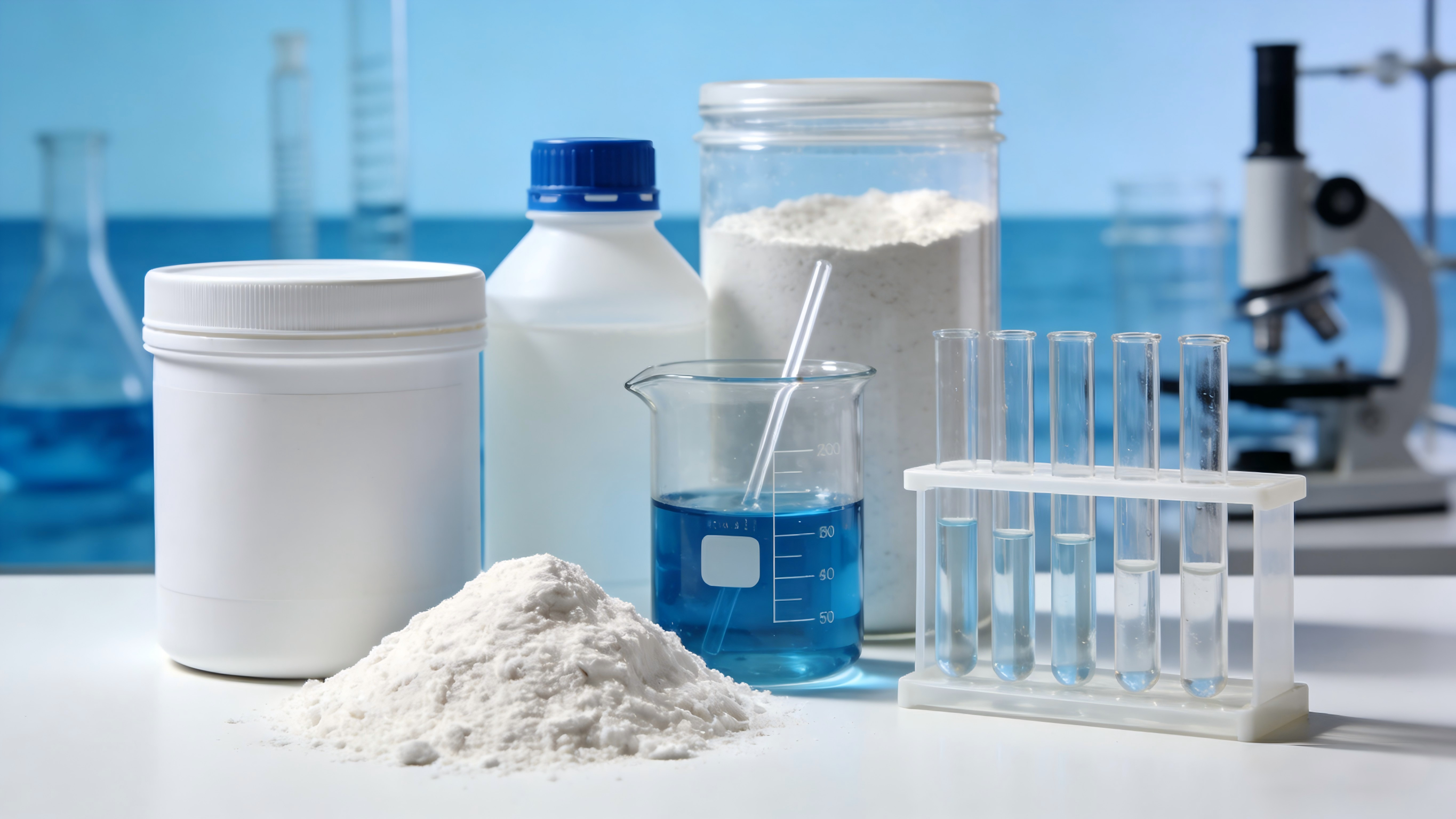
Import SDIC for Fountain Companies: Pro Essentials
Author: Dr. Marcus Wellwater
Introduction
When you operate a commercial fountain display, water quality isn’t just about aesthetics—it’s about public health, regulatory compliance, and operational efficiency. After spending over fifteen years in the water treatment chemical industry, I’ve witnessed countless fountain operators struggle with algae blooms, bacterial contamination, and cloudy water that drives visitors away instead of attracting them.
The solution many professionals rely on? SDIC (Sodium Dichloroisocyanurate). This powerful disinfectant has become the backbone of fountain water treatment programs across North America, Europe, and Asia. But here’s what most suppliers won’t tell you: not all SDIC products are created equal, and importing the right grade for your fountain operations requires specific knowledge.
In this comprehensive guide, I’ll walk you through everything you need to know about importing SDIC for fountain companies—from technical specifications to compliance considerations that protect your business.
Why SDIC Remains the Gold Standard for Fountain Water Treatment
Superior Disinfection Performance
SDIC delivers 56-60% available chlorine, making it significantly more potent than many alternative disinfectants. What sets it apart in fountain applications is its slow-release mechanism. Unlike liquid chlorine that dissipates rapidly under sunlight and aeration, SDIC maintains residual chlorine levels for extended periods.
I recall consulting for a large shopping center in Arizona where their fountain required daily shocking with liquid bleach. After switching to pharmaceutical-grade SDIC tablets, they reduced chemical dosing frequency from seven times weekly to just twice. The cost savings alone paid for the transition within three months.
Stability Under Challenging Conditions
Fountain water faces unique challenges:
- Constant aeration accelerates chlorine loss
- UV exposure breaks down disinfectants rapidly
- Temperature fluctuations affect chemical stability
- Organic debris from leaves, birds, and visitors contaminates water
SDIC’s molecular structure provides exceptional stability even in these demanding environments. The cyanuric acid backbone acts as a chlorine stabilizer, protecting active chlorine from UV degradation. This means your fountain stays protected longer between treatments.
Cost-Effectiveness at Scale
For fountain companies managing multiple installations, bulk importing SDIC delivers substantial economic advantages. When you calculate cost per ppm of available chlorine, SDIC typically outperforms:
- Liquid sodium hypochlorite (bleach)
- Calcium hypochlorite
- Bromine-based alternatives
- Non-chemical UV systems (as standalone solutions)
Technical Specifications Your Fountain Company Should Require
Active Chlorine Content
Not all SDIC products meet the same standards. For commercial fountain applications, I recommend specifying:
| Grade | Active Chlorine | Best Use Case |
|---|---|---|
| Premium | 60% minimum | Large public fountains, high-traffic areas |
| Standard | 56-58% | Medium commercial installations |
| Economy | 54-56% | Residential or low-traffic decorative fountains |
Pro tip: Always request a certificate of analysis (COA) before finalizing any import order. Verify the active chlorine percentage matches your specifications—some suppliers inflate these numbers.
Physical Form Considerations
SDIC comes in multiple forms, each suited to different fountain configurations:
Tablets (200g-3kg): Ideal for automatic dosing systems. Slow dissolution provides consistent chlorine release. Perfect for fountains with recirculating pumps and chemical feeders.
Granular/Powder: Better for manual dosing or shock treatments. Dissolves quickly for rapid chlorine boost when contamination spikes occur.
Dihydrate vs. Anhydrous: The dihydrate form (containing water molecules in crystal structure) offers better stability during storage and transport. For fountain companies importing large quantities, this reduces degradation risk.
pH Impact Management
One aspect many operators overlook: SDIC has a pH of 5.5-7.0 in 1% solution. This slightly acidic nature can gradually lower fountain water pH if not monitored. I always advise clients to:
- Test pH weekly (minimum)
- Maintain pH between 7.2-7.6 for optimal disinfection
- Keep sodium bicarbonate or pH increaser on hand for adjustments
Import Compliance and Regulatory Considerations
REACH and International Standards
If you’re importing SDIC into the European Union, REACH compliance is non-negotiable. As of 2025, the SVHC (Substances of Very High Concern) list continues to expand. While SDIC itself remains approved for water treatment applications, documentation requirements have intensified.
Ensure your supplier provides:
- REACH registration numbers
- Safety Data Sheets (SDS) compliant with GHS standards
- Proof of manufacturing facility audits
Transportation Classification
SDIC ships as Class 5.1 Oxidizing Substance. This affects:
- Packaging requirements (UN-certified containers)
- Shipping documentation
- Storage facility specifications
- Insurance premiums
Working with experienced freight forwarders who understand hazardous chemical logistics prevents costly delays at customs. I’ve seen shipments held for weeks because improper documentation triggered additional inspections.
Quality Certifications That Matter
Look for suppliers holding these certifications:
- ISO 9001 (Quality Management)
- ISO 14001 (Environmental Management)
- NSF/ANSI 60 (Drinking Water Treatment Chemicals—relevant if fountain water has public contact)
These aren’t just marketing badges. They indicate systematic quality control that protects your operations from batch inconsistencies.
Practical Implementation Strategies for Fountain Operators
Dosing Calculations Made Simple
Here’s the formula I share with clients during training sessions:
Required SDIC (grams) = Water Volume (liters) × Desired Chlorine Increase (ppm) ÷ Available Chlorine (%)
Example: For a 10,000-liter fountain needing 2 ppm chlorine increase using 60% SDIC:
10,000 × 2 ÷ 0.60 = 33.3 grams
Start conservative. You can always add more, but removing excess chlorine requires additional chemicals and downtime.
Integration with Existing Systems
Many fountain companies already have chemical feeders designed for liquid chlorine. SDIC tablets work with tablet chlorinators that retrofit into existing plumbing. For granular SDIC, dissolving tanks with metering pumps provide precise dosing control.
The key is matching dissolution rate to water turnover. Fast-dissolving tablets in high-flow systems waste product. Slow-dissolving tablets in stagnant water won’t provide adequate protection.
Monitoring and Maintenance Schedule
Based on field experience, here’s a maintenance framework that balances effectiveness with operational efficiency:
Daily: Visual inspection for algae, cloudiness, or debris
Weekly: Free chlorine and pH testing
Bi-weekly: Total dissolved solids (TDS) measurement
Monthly: Complete water analysis including bacteria counts
Quarterly: System flushing and deep cleaning
Common Mistakes to Avoid When Importing SDIC
Buying on Price Alone
The cheapest SDIC often costs more long-term. Lower active chlorine content means you use more product. Poor quality control leads to inconsistent performance. Some bargain imports contain fillers that accumulate in fountain plumbing, causing clogs and corrosion.
I once audited a fountain maintenance company that switched to a discount supplier. Within six months, their pump failure rate tripled. The “savings” disappeared in repair bills.
Ignoring Storage Requirements
SDIC requires cool, dry storage away from organic materials, acids, and reducing agents. Humidity accelerates degradation. I recommend climate-controlled warehouses with humidity below 60% for bulk storage.
Improper storage doesn’t just waste money—degraded SDIC produces less available chlorine, compromising water safety without obvious visual indicators.
Overlooking Emergency Response Planning
SDIC is an oxidizer. While stable under normal conditions, it requires proper emergency protocols. Ensure your team knows:
- Spill containment procedures
- Incompatible materials to avoid
- First aid measures for exposure
- Fire response (never use water on SDIC fires)
FAQ: Import SDIC for Fountain Companies
Q: What’s the typical shelf life of imported SDIC?
A: Properly stored SDIC maintains potency for 2-3 years. However, I recommend using within 18 months for optimal performance. Always check manufacturing dates on import documentation.
Q: Can SDIC be used in fountains with public water contact?
A: Yes, but regulations vary by jurisdiction. Many regions require NSF/ANSI 60 certification for any chemical in water with human contact. Verify local health department requirements before implementation.
Q: How does SDIC compare to UV disinfection for fountains?
A: UV provides excellent primary disinfection but offers no residual protection. SDIC maintains chlorine residual that continues protecting water between treatments. The best approach often combines both—UV for primary treatment, SDIC for residual maintenance.
Q: What minimum order quantities should fountain companies expect?
A: Most manufacturers require 500kg minimum for direct imports. However, working with regional distributors allows smaller quantities (50-100kg) with faster delivery. Calculate your annual consumption to determine the most economical approach.
Q: Are there seasonal considerations for SDIC usage?
A: Absolutely. Summer months require higher dosing due to increased UV exposure, warmer water temperatures, and higher bather loads. Plan inventory accordingly—don’t wait until peak season to reorder.
Q: What documentation accompanies SDIC imports?
A: Expect commercial invoice, packing list, bill of lading, certificate of analysis, safety data sheet, and any required permits. Keep these records for at least five years for regulatory compliance audits.
Final Thoughts
Importing SDIC for fountain operations isn’t just about finding a supplier—it’s about building a partnership that supports your water quality goals, regulatory compliance, and bottom line. The right SDIC product, properly specified and responsibly sourced, becomes an invisible guardian protecting public health while keeping your fountains crystal clear.
After years in this industry, I’ve learned that the companies thriving long-term aren’t those cutting corners on water treatment. They’re the ones investing in quality chemicals, proper training, and systematic maintenance. Your fountain represents your brand. Treat the water protecting it with the professionalism it deserves.
Ready to explore premium SDIC options for your fountain operations? Visit our contact page to connect with our water treatment specialists.
About the Author: Dr. Marcus Wellwater has spent 17 years specializing in industrial water treatment chemistry. He has consulted for over 200 commercial fountain installations across 15 countries and holds three patents related to slow-release disinfectant technologies.
