
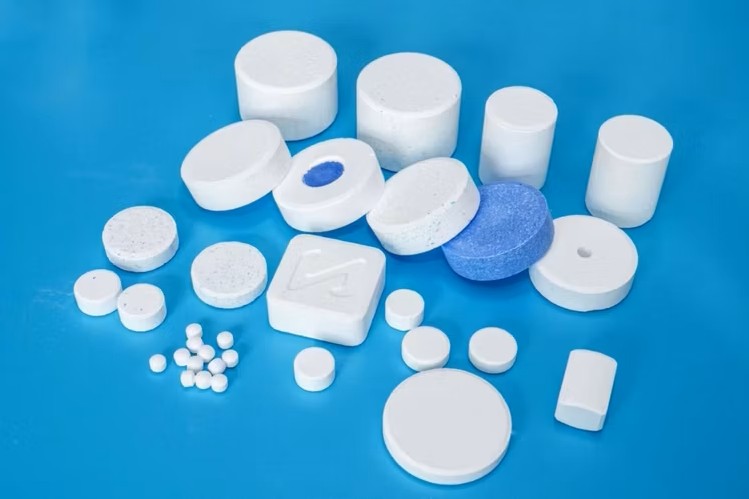
Import SDIC for Fountains: Algae Company Solutions for Water Treatment
Introduction
Maintaining crystal-clear fountain water presents significant challenges for facility managers, property developers, and municipal authorities worldwide. Algae growth not only compromises aesthetic appeal but also creates health hazards and increases maintenance costs. As a leading chemical industry expert, I will explore how importing Sodium Dichloroisocyanurate (SDIC) offers an effective, cost-efficient solution for fountain algae control. This comprehensive guide addresses critical concerns B2B buyers face when selecting water treatment chemicals for commercial fountain applications.
Understanding SDIC: The Powerful Algae Control Agent
What Is Sodium Dichloroisocyanurate?
Sodium Dichloroisocyanurate (SDIC), chemically known as Dichloroisocyanuric Acid Sodium Salt (CAS: 2893-78-9), is an organic compound with the molecular formula C₃Cl₂N₃NaO₃. This white crystalline powder serves as a powerful oxidizing disinfectant widely recognized in the water treatment industry. SDIC releases chlorine gradually when dissolved in water, providing sustained algae prevention and bacterial control.
Key Chemical Properties
SDIC demonstrates exceptional water solubility, making it ideal for fountain applications. The compound maintains stability under proper storage conditions and delivers consistent chlorine concentration ranging from 56% to 60% available chlorine content. Its slow-release mechanism ensures prolonged protection against algae blooms while minimizing chemical dosing frequency. Unlike liquid chlorine alternatives, SDIC offers superior shelf life and easier transportation for international buyers.
Why Fountains Require Specialized Algae Treatment
The Algae Growth Challenge in Fountain Systems
Fountain water systems create ideal environments for algae proliferation. Standing water, sunlight exposure, and nutrient accumulation from environmental debris accelerate microbial growth. Green algae, blue-green algae (cyanobacteria), and biofilm formation not only discolor water but also clog nozzles, damage pumps, and create unpleasant odors. Untreated fountain water becomes a breeding ground for harmful pathogens, posing health risks to visitors and increasing liability concerns for property owners.
Limitations of Traditional Treatment Methods
Conventional fountain maintenance often relies on manual cleaning, copper-based algaecides, or basic chlorine tablets. These approaches present significant drawbacks. Manual cleaning requires frequent shutdowns and labor costs. Copper-based treatments can stain fountain surfaces and harm surrounding vegetation. Standard chlorine tablets dissolve too quickly, creating inconsistent protection and requiring daily monitoring. SDIC addresses these limitations through controlled release technology and superior efficacy.
SDIC Application Strategies for Commercial Fountains
Proper Dosing Guidelines
Effective algae control requires precise SDIC dosing based on fountain volume, water temperature, and environmental conditions. For typical commercial fountains, initial treatment recommends 2-5 grams of SDIC per cubic meter of water. Maintenance dosing ranges from 0.5-2 grams per cubic meter weekly, adjusted according to algae pressure and water quality testing results. Hot weather conditions and high sunlight exposure necessitate increased dosing frequency.
Integration with Filtration Systems
SDIC works synergistically with existing fountain filtration infrastructure. The chemical treats water throughout the circulation system, preventing algae attachment to pipes, pumps, and nozzle assemblies. Combining SDIC with mechanical filtration removes dead algae particles, maintaining water clarity. This integrated approach reduces overall maintenance requirements and extends equipment lifespan.
Safety Considerations for Public Spaces
Public fountain applications demand careful attention to safety protocols. SDIC-treated water must maintain chlorine residual levels within acceptable ranges for human contact. Proper signage should inform visitors about water treatment. Facility managers should conduct regular water quality testing to ensure compliance with local health regulations. SDIC’s controlled release mechanism helps maintain stable chlorine levels, reducing the risk of over-chlorination.
Importing SDIC: B2B Buyer Considerations
Quality Standards and Certification
When importing SDIC for fountain applications, verify supplier certifications including ISO quality management systems and chemical safety documentation. Request product specifications confirming available chlorine content, particle size distribution (typically 8-30 mesh or 16-36 mesh), and moisture content. Reputable manufacturers provide Material Safety Data Sheets (MSDS) and certificates of analysis for each shipment.
Packaging and Shipping Requirements
SDIC ships in moisture-proof packaging, typically 25kg drums or 1000kg bulk bags. Proper packaging prevents degradation during international transit. Buyers should confirm packaging meets IMDG (International Maritime Dangerous Goods) regulations for oxidizing substances. Consider warehouse storage conditions at destination ports to maintain product integrity before distribution.
Cost-Benefit Analysis for Bulk Purchases
Importing SDIC in bulk quantities offers significant cost advantages over local procurement. Large-scale fountain operators managing multiple installations benefit from economies of scale. Calculate total cost of ownership including shipping, customs duties, storage, and application costs. SDIC’s extended shelf life (typically 24 months under proper storage) reduces waste and improves return on investment compared to alternative treatments requiring frequent replacement.
Environmental Impact and Regulatory Compliance
Environmental Safety Profile
SDIC breaks down into harmless byproducts including cyanuric acid, sodium chloride, and water. Unlike some algaecides containing heavy metals or persistent organic compounds, SDIC does not accumulate in ecosystems. However, responsible application prevents excessive chlorine discharge into municipal drainage systems. Follow local environmental regulations regarding water discharge and chemical usage.
Meeting International Standards
Different regions maintain varying regulations for water treatment chemicals in public spaces. European Union REACH compliance, US EPA guidelines, and Asian market requirements may differ. Work with suppliers who understand target market regulations and can provide necessary documentation for customs clearance and regulatory approval.
Conclusion
Importing SDIC for fountain algae control represents a strategic investment for B2B buyers managing commercial water features. The chemical’s proven efficacy, cost efficiency, and ease of application make it superior to traditional treatment alternatives. By partnering with qualified suppliers and following proper application protocols, facility managers can maintain pristine fountain displays while controlling operational costs.
Ready to optimize your fountain water treatment program? Contact our team for customized SDIC solutions tailored to your specific requirements. We provide comprehensive technical support, competitive pricing for bulk orders, and reliable international shipping services.
Frequently Asked Questions (FAQ)
Q1: How long does SDIC remain effective in fountain water?
A: SDIC typically provides 5-7 days of algae protection under normal conditions. Hot weather, heavy rainfall, or high bather loads may require more frequent dosing. Regular water testing helps determine optimal treatment intervals.
Q2: Can SDIC damage fountain equipment or surfaces?
A: When used at recommended concentrations, SDIC is safe for most fountain materials including stone, concrete, metal, and plastic components. Avoid direct contact with undissolved granules on sensitive surfaces.
Q3: What is the minimum order quantity for SDIC imports?
A: Most suppliers accept orders starting from 200kg for trial shipments. Bulk orders of 1000kg or more qualify for preferential pricing and shipping rates. Contact suppliers directly for specific MOQ requirements.
Q4: How should SDIC be stored before use?
A: Store SDIC in cool, dry, well-ventilated areas away from direct sunlight and moisture. Keep containers tightly sealed and separate from organic materials, acids, and reducing agents. Proper storage maintains product effectiveness for up to 24 months.
Q5: Is SDIC safe for fountains with fish or aquatic plants?
A: SDIC is not recommended for fountains containing live fish or sensitive aquatic vegetation. The chlorine release can harm aquatic life. Consider alternative treatment methods for decorative ponds with living organisms.
Q6: What documentation is required for SDIC import customs clearance?
A: Typical requirements include commercial invoice, packing list, bill of lading, MSDS, certificate of analysis, and any required import permits. Work with experienced freight forwarders familiar with chemical import regulations in your country.
