
# Import SDIC for Fountains: Bulk Orders Company Maintenance
Introduction
Water features and fountains have become essential elements in modern landscape design, commercial properties, and public spaces. However, maintaining crystal-clear, safe, and aesthetically pleasing fountain water requires effective water treatment solutions. Sodium Dichloroisocyanurate (SDIC) has emerged as one of the most reliable disinfectants for fountain water treatment. This comprehensive guide explores everything B2B buyers need to know about importing SDIC for fountain applications, including bulk ordering strategies, supplier selection, and long-term maintenance considerations.
For facility managers, property developers, and water treatment companies, understanding the intricacies of SDIC procurement can significantly impact operational efficiency and cost management. This article provides actionable insights to help your company make informed decisions when importing SDIC for fountain maintenance programs.
Understanding SDIC for Fountain Water Treatment
What is Sodium Dichloroisocyanurate?
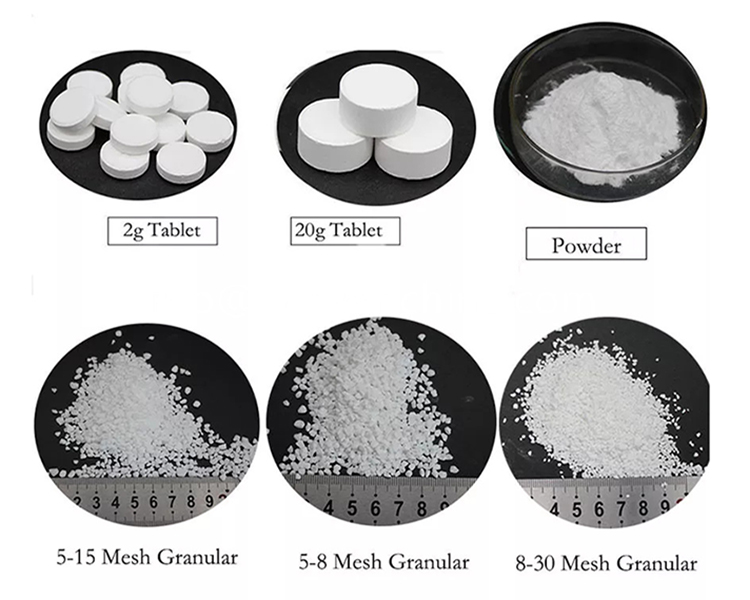
Sodium Dichloroisocyanurate, commonly abbreviated as SDIC, is an organic compound with the chemical formula C₃Cl₂N₃NaO₃. This white crystalline powder serves as a powerful oxidizing agent and disinfectant, widely recognized for its exceptional stability and effectiveness in water treatment applications.
SDIC releases chlorine gradually when dissolved in water, providing sustained disinfection power that eliminates bacteria, viruses, algae, and other microorganisms. Its slow-release mechanism makes it particularly suitable for fountain systems where continuous water circulation requires consistent sanitization without frequent chemical dosing.
Why SDIC is Ideal for Fountain Applications
Fountain water systems present unique challenges compared to swimming pools or industrial water treatment. Standing or slowly circulating water creates ideal conditions for algae growth, bacterial contamination, and mineral buildup. SDIC addresses these challenges through several key advantages:
Broad-Spectrum Disinfection: SDIC effectively eliminates diverse pathogens including E. coli, staphylococcus, and various algae species that commonly plague fountain systems.
Stable Chlorine Release: Unlike liquid chlorine, SDIC maintains consistent disinfectant levels over extended periods, reducing the frequency of chemical application and maintenance visits.
Minimal Odor: Fountain installations in public spaces require disinfectants that don’t produce strong chlorine odors. SDIC’s controlled release mechanism minimizes unpleasant smells while maintaining effectiveness.
Cost-Effective Long-Term Solution: When purchased through bulk orders, SDIC offers significant cost savings compared to alternative disinfection methods, making it economically viable for large-scale fountain maintenance programs.
Bulk Ordering Strategies for SDIC Import
Determining Your Volume Requirements
Successful SDIC importation begins with accurate volume assessment. Companies must evaluate their total fountain surface area, water volume, and treatment frequency to calculate annual SDIC consumption. Consider seasonal variations—warmer months typically require higher disinfectant doses due to accelerated algae growth and increased bacterial activity.
For commercial properties managing multiple fountain installations, consolidating requirements across all locations enables more advantageous bulk pricing. Many suppliers offer tiered pricing structures where unit costs decrease significantly at higher volume thresholds.
Selecting Reliable SDIC Suppliers
Choosing the right manufacturing partner is critical for ensuring product quality and supply chain reliability. When evaluating potential SDIC suppliers for bulk orders, consider these essential factors:
Certification and Compliance: Verify that suppliers maintain relevant international certifications including ISO 9001, REACH compliance, and appropriate safety documentation. Request current MSDS (Material Safety Data Sheets) and product specification sheets.
Production Capacity: Ensure the manufacturer can consistently meet your volume requirements without supply disruptions. Companies with dedicated production lines for water treatment chemicals typically offer better reliability.
Quality Control Processes: Inquire about batch testing procedures, quality assurance protocols, and consistency guarantees. Reputable suppliers provide certificates of analysis for each production batch.
Export Experience: Suppliers experienced in international shipping understand packaging requirements, documentation needs, and customs procedures specific to chemical exports.
Negotiating Favorable Bulk Order Terms
Bulk purchasing provides leverage for negotiating better commercial terms. Key negotiation points include:
- Volume-based pricing discounts
- Flexible payment terms for established partnerships
- Consignment inventory options for regular buyers
- Priority production scheduling during peak seasons
- Included technical support and product training
Company Maintenance Programs with SDIC
Developing Comprehensive Maintenance Protocols
Implementing SDIC in fountain systems requires structured maintenance protocols to maximize effectiveness and minimize operational disruptions. Companies should establish written procedures covering:
Dosage Calculation: Determine appropriate SDIC concentrations based on water volume, temperature, and contamination levels. Typical fountain applications require 1-3 ppm available chlorine, though specific requirements vary by installation.
Application Scheduling: Create regular treatment schedules aligned with fountain usage patterns. High-traffic public fountains may require daily monitoring and weekly SDIC application, while decorative installations might need bi-weekly treatment.
Water Testing Procedures: Implement routine water quality testing to verify disinfectant levels, pH balance, and overall water clarity. Maintain detailed logs for compliance and performance tracking.
Training Maintenance Personnel
Effective SDIC utilization depends on properly trained staff. Maintenance teams should receive comprehensive instruction covering:
- Safe handling and storage procedures
- Accurate dosing techniques
- Emergency response protocols
- Personal protective equipment requirements
- Environmental compliance obligations
Regular refresher training ensures staff remain current on best practices and safety protocols.
Monitoring and Documentation
Maintain detailed records of all SDIC applications, water test results, and maintenance activities. This documentation serves multiple purposes:
- Demonstrates regulatory compliance
- Identifies treatment pattern effectiveness
- Supports warranty claims if product issues arise
- Provides data for optimizing future treatment schedules
Import Considerations and Logistics
Regulatory Compliance for SDIC Import
International SDIC importation requires careful attention to regulatory requirements. Different countries maintain varying regulations governing chlorine-based disinfectant imports. Key compliance considerations include:
Import Licenses: Many jurisdictions require specific permits for importing chemical disinfectants. Verify requirements well in advance of planned shipments.
Product Registration: Some countries mandate product registration before commercial importation. This process may require submitting product formulations, safety data, and intended use documentation.
Customs Classification: Ensure proper HS code classification to avoid customs delays and incorrect duty assessments. SDIC typically falls under specific chemical product categories.
Packaging and Shipping Requirements
SDIC must be packaged and shipped according to international hazardous materials regulations. Proper packaging protects product integrity during transit and ensures safe handling:
- Moisture-proof containers prevent premature chlorine release
- Clear labeling identifies product contents and hazard classifications
- Palletized shipments facilitate efficient warehouse handling
- Temperature-controlled shipping may be necessary for certain climates
Lead Time Planning
Account for manufacturing lead times, shipping duration, and customs clearance when planning SDIC imports. Typical timelines include:
- Production: 2-4 weeks for bulk orders
- Ocean freight: 4-6 weeks depending on destination
- Customs clearance: 1-2 weeks variable by country
- Total lead time: 8-12 weeks recommended for planning
Building buffer time into your procurement schedule prevents operational disruptions from unexpected delays.
Cost Optimization Through Strategic Sourcing
Total Cost of Ownership Analysis
Evaluate SDIC procurement decisions based on total cost of ownership rather than unit price alone. Consider:
- Product effectiveness and dosage requirements
- Storage and handling costs
- Maintenance labor requirements
- Equipment longevity impacts
- Regulatory compliance expenses
Higher-quality SDIC may command premium pricing but deliver better long-term value through improved performance and reduced application frequency.
Building Long-Term Supplier Relationships
Establishing partnerships with reliable SDIC manufacturers provides ongoing benefits including:
- Priority access during supply constraints
- Collaborative product development opportunities
- Enhanced technical support availability
- Improved pricing through loyalty programs
- Streamlined ordering and payment processes
Conclusion
Importing SDIC for fountain water treatment represents a strategic investment in facility maintenance excellence. By understanding product characteristics, implementing effective bulk ordering strategies, and establishing comprehensive maintenance programs, companies can achieve superior water quality while optimizing operational costs.
The key to success lies in partnering with experienced suppliers, maintaining rigorous safety protocols, and continuously monitoring treatment effectiveness. With proper planning and execution, SDIC importation becomes a reliable foundation for sustainable fountain maintenance operations.
Frequently Asked Questions (FAQ)
Q1: What is the typical shelf life of imported SDIC?
A: Properly stored SDIC maintains effectiveness for 2-3 years from manufacture date. Store in cool, dry conditions away from moisture and direct sunlight to maximize shelf life.
Q2: How do I calculate SDIC dosage for my fountain system?
A: Dosage depends on water volume and desired chlorine concentration. Generally, 1 gram of SDIC per 1000 liters provides approximately 1 ppm available chlorine. Consult product specifications and conduct water testing for precise calculations.
Q3: Can SDIC be used in all types of fountain systems?
A: SDIC suits most fountain applications including decorative, commercial, and public installations. However, verify compatibility with fountain materials and consult manufacturer guidelines for specific system requirements.
Q4: What safety precautions are necessary when handling SDIC?
A: Always wear appropriate PPE including gloves, eye protection, and respiratory masks. Avoid mixing with other chemicals, ensure adequate ventilation, and follow MSDS guidelines for safe handling and storage.
Q5: How often should fountain water be tested when using SDIC?
A: High-traffic fountains require daily chlorine level testing and weekly comprehensive water analysis. Lower-usage installations may need testing 2-3 times weekly. Maintain detailed records for compliance and optimization.
Q6: What documentation is required for SDIC import?
A: Typical requirements include commercial invoice, packing list, bill of lading, MSDS, certificate of analysis, and any country-specific import permits. Work with experienced freight forwarders familiar with chemical imports.
Ready to optimize your fountain water treatment program with quality SDIC solutions? Contact us today to discuss bulk ordering options and receive customized quotes for your company’s specific requirements.
