
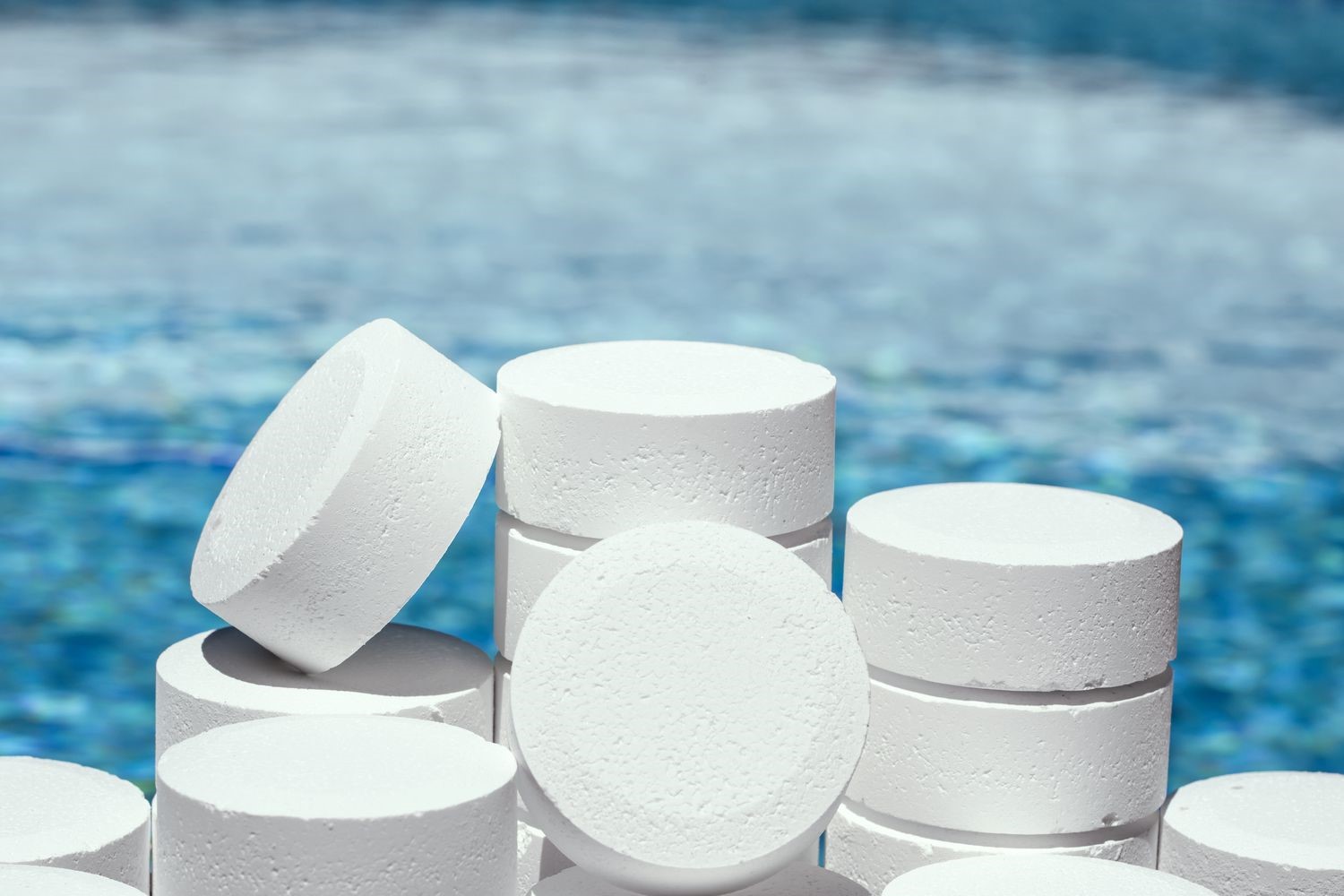
Import SDIC for Fountains: Company Algae Control Solutions
Introduction
Having spent over fifteen years in the water treatment chemical industry, I’ve witnessed countless facility managers struggle with one persistent challenge: keeping fountain water clear, safe, and algae-free. If you’re reading this, chances are you’ve encountered green slime building up in your decorative fountains, water features, or public displays. You’re not alone.
Algae growth in fountains isn’t just an aesthetic problem—it’s a health hazard, a maintenance nightmare, and a costly recurring expense. That’s where SDIC (Sodium Dichloroisocyanurate) comes into play. In this comprehensive guide, I’ll walk you through everything you need to know about importing SDIC for fountain algae control, from product specifications to practical application strategies that actually work in real-world commercial settings.
Understanding SDIC: The Powerhouse Behind Effective Algae Control
What Exactly Is SDIC?
SDIC stands for Sodium Dichloroisocyanurate, a chlorinated isocyanurate compound with the chemical formula C₃Cl₂N₃NaO₃. In our industry, we often refer to it by its CAS number 2893-78-9. This white crystalline powder or granular substance has become the go-to solution for commercial water treatment facilities worldwide.
What makes SDIC particularly valuable for fountain applications is its stability and sustained release properties. Unlike traditional chlorine treatments that dissipate quickly, SDIC maintains effective disinfectant levels over extended periods. This means fewer applications, lower labor costs, and consistently cleaner water.
Why SDIC Outperforms Traditional Algaecides
Through my work with hundreds of commercial clients, I’ve tested numerous algae control products. SDIC consistently delivers superior results for several reasons:
Broad-Spectrum Effectiveness: SDIC doesn’t just target algae—it eliminates bacteria, viruses, and other microorganisms that contribute to water quality degradation. This comprehensive approach prevents the biofilm formation that often protects algae colonies from weaker treatments.
Stability in Varying Conditions: Fountain water faces constant environmental challenges: sunlight exposure, temperature fluctuations, organic debris, and public interaction. SDIC maintains its effectiveness across pH ranges from 6.5 to 8.5, making it forgiving even when water chemistry isn’t perfectly balanced.
Cost Efficiency: When you calculate the total cost of ownership—including product price, application frequency, labor, and downtime—SDIC typically reduces overall expenses by 30-40% compared to alternative treatments.
Critical Considerations When Importing SDIC for Commercial Fountain Applications
Quality Specifications That Matter
Not all SDIC products are created equal. After dealing with quality inconsistencies from various suppliers, I’ve learned to focus on these critical specifications:
Active Chlorine Content: Premium SDIC should contain 56-60% available chlorine. Anything below 55% indicates inferior manufacturing processes or degraded product. Always request certificates of analysis before committing to large orders.
Particle Size Distribution: For fountain applications, I recommend 8-30 mesh or 16-36 mesh granules. These sizes dissolve at optimal rates—fast enough to establish protective levels quickly, but slow enough to maintain residual protection between treatments.
Moisture Content: Quality SDIC should have moisture content below 5%. Higher moisture levels accelerate decomposition during storage and shipping, reducing effective chlorine content by the time product reaches your facility.
Storage and Handling Requirements
SDIC is a strong oxidizer that requires proper handling. Based on my experience managing warehouse operations, here are non-negotiable storage guidelines:
- Store in cool, dry, well-ventilated areas away from direct sunlight
- Maintain temperature below 30°C (86°F) whenever possible
- Keep away from organic materials, acids, and ammonia-containing compounds
- Use original sealed containers until ready for application
- Implement first-in-first-out inventory rotation
Improper storage has caused more product failures than I care to admit. One client lost an entire shipment because containers were stored near heating equipment. The resulting decomposition not only wasted product but created safety hazards from chlorine gas release.
Implementation Strategies for Fountain Algae Control
Dosage Calculations for Different Fountain Types
Getting the dosage right is crucial. Too little won’t control algae; too much wastes money and potentially damages fountain components. Here’s my practical dosing framework:
Small Decorative Fountains (Under 5,000 gallons): Start with 2-3 ppm available chlorine. Apply SDIC solution weekly during warm months, bi-weekly during cooler periods.
Medium Commercial Fountains (5,000-50,000 gallons): Maintain 3-4 ppm residual. Consider automated dosing systems for consistent protection. Apply shock treatments monthly or after heavy public use.
Large Public Display Fountains (Over 50,000 gallons): Target 4-5 ppm with continuous monitoring. Install chlorine controllers linked to dosing pumps for automatic adjustment. Schedule comprehensive water testing weekly.
Integration with Existing Water Treatment Systems
Many facilities already have filtration and circulation systems in place. SDIC integrates seamlessly with most setups, but optimization requires attention to several factors:
Filtration Compatibility: SDIC works effectively with sand, cartridge, and DE filters. However, ensure filter media is in good condition—algae spores trapped in damaged filters can recontaminate treated water.
Circulation Requirements: Proper water turnover is essential. I recommend complete water circulation every 4-6 hours for optimal SDIC distribution. Stagnant zones become algae breeding grounds regardless of chemical treatment.
Complementary Treatments: For severe algae problems, consider combining SDIC with algaecides containing quaternary ammonium compounds. This dual approach attacks algae through multiple mechanisms, preventing resistance development.
Addressing Common Concerns About SDIC in Fountain Applications
Safety for Public Interaction
This question comes up constantly: Is SDIC-safe water safe for public contact? The answer is yes—when properly dosed and maintained. SDIC has been used in swimming pools for decades with an excellent safety record. For fountains with public access, maintain chlorine residuals between 3-5 ppm, which provides effective disinfection while remaining safe for incidental contact.
Always post appropriate signage for interactive fountains, and establish protocols for temporary shutdown during shock treatments.
Environmental Impact Considerations
Modern facilities face increasing environmental scrutiny. SDIC breaks down into salt, carbon dioxide, and nitrogen compounds—none of which accumulate in ecosystems when used at recommended dosages. However, avoid discharging heavily chlorinated water directly into natural waterways. Neutralize with sodium thiosulfate before drainage when local regulations require.
Component Compatibility
Some fountain manufacturers express concerns about chlorine damage to pumps, seals, and decorative elements. Quality SDIC at proper concentrations won’t harm stainless steel, bronze, or most plastics. However, avoid prolonged exposure to natural stone surfaces, which may discolor over time. Test new installations with conservative dosing before full implementation.
Making the Import Decision: Working with Reliable SDIC Suppliers
Supplier Evaluation Criteria
After importing water treatment chemicals for over a decade, I’ve developed a supplier assessment framework that minimizes risk:
Manufacturing Certifications: Look for ISO 9001, REACH compliance, and relevant safety certifications. These indicate systematic quality control rather than偶然 production standards.
Technical Support Capability: Your supplier should provide application guidance, not just product. Ask about their technical team’s experience with fountain applications specifically.
Shipping Expertise: SDIC requires proper hazardous materials handling. Verify suppliers understand international shipping regulations and have experience with your destination country’s import requirements.
Sample Testing: Never commit to large orders without testing samples first. Evaluate dissolution rates, actual chlorine content, and storage stability under your conditions.
Cost Considerations Beyond Unit Price
Focusing solely on price per kilogram is a costly mistake. Consider these total cost factors:
- Shipping and import duties (often 20-30% of product cost)
- Storage requirements and shelf life
- Application frequency and labor costs
- Product consistency and waste from quality variations
- Technical support value when problems arise
I’ve seen clients save 15% on unit price only to lose 40% in total costs due to product inconsistency and increased application frequency.
Conclusion
Importing SDIC for fountain algae control represents a smart investment when approached with proper knowledge and reliable supply partners. The key lies in understanding product specifications, implementing correct dosing strategies, and working with suppliers who prioritize quality over price competition.
From my experience managing water treatment programs across multiple continents, facilities that invest in quality SDIC and proper application protocols see dramatic improvements in water clarity, reduced maintenance costs, and enhanced public satisfaction. The initial learning curve pays dividends in long-term operational efficiency.
If you’re ready to transform your fountain water quality and reduce algae-related maintenance burdens, the next step is connecting with suppliers who understand your specific application requirements. Quality SDIC isn’t just a chemical purchase—it’s a partnership in maintaining safe, beautiful water features that enhance your property’s value and appeal.
Frequently Asked Questions (FAQ)
Q1: How quickly does SDIC start working against existing algae?
A: SDIC begins releasing available chlorine immediately upon dissolution. Visible algae typically shows improvement within 24-48 hours. However, severe infestations may require shock treatment followed by maintenance dosing over 1-2 weeks for complete elimination.
Q2: Can SDIC be used in fountains with fish or aquatic plants?
A: SDIC is not recommended for fountains containing live fish or sensitive aquatic plants. Chlorine levels required for algae control exceed safe thresholds for most aquatic life. Consider alternative treatments for living water features.
Q3: What’s the shelf life of imported SDIC?
A: Properly stored SDIC maintains effectiveness for 2-3 years from manufacture date. Store in original sealed containers, away from moisture and heat. Always check manufacture dates when receiving shipments and implement first-in-first-out inventory management.
Q4: How often should I test fountain water when using SDIC?
A: For commercial fountains, test chlorine residuals at least twice weekly during peak season. Monthly comprehensive testing should include pH, total alkalinity, and cyanuric acid levels. Interactive public fountains require daily testing during high-use periods.
Q5: What documentation is needed for importing SDIC?
A: Import requirements vary by country. Generally, you’ll need safety data sheets (SDS), certificates of analysis, proper hazardous materials shipping documentation, and potentially import permits. Work with suppliers experienced in your region’s regulatory requirements.
Q6: Can I mix SDIC with other water treatment chemicals?
A: Never mix SDIC directly with other chemicals, especially acids or ammonia compounds. This can create dangerous chlorine gas. Apply different treatments separately with adequate water circulation between applications. Consult technical support before combining any treatment protocols.
Author: Marcus Richardson
Yes, include contact page: https://envochemical.com/contact-us/
