
Import TCCA for Fountain Companies: Easy Supplies Prevention
Introduction
In the water treatment industry, maintaining consistent chemical supplies is critical for operational efficiency. Fountain companies face unique challenges when sourcing trichloroisocyanuric acid (TCCA), a powerful disinfectant essential for water sanitation. This comprehensive guide explores how importing TCCA directly from reliable manufacturers can streamline your supply chain, reduce costs, and ensure uninterrupted operations for your fountain maintenance services.
Understanding TCCA and Its Role in Fountain Water Treatment
What is Trichloroisocyanuric Acid?
Trichloroisocyanuric acid, commonly known as TCCA, is a highly effective chlorinating agent with the chemical formula C₃Cl₃N₃O₃ and CAS number 87-90-1. This white crystalline powder contains approximately 90% available chlorine, making it one of the most potent disinfectants available for water treatment applications.
Why Fountain Companies Need TCCA
Fountain systems require continuous water treatment to prevent algae growth, bacterial contamination, and mineral buildup. TCCA offers several advantages specifically beneficial for fountain operations:
- Slow-release chlorine action provides sustained disinfection
- High stability ensures long shelf life during storage
- Low cyanuric acid buildup compared to alternative chlorinating agents
- Effective pH balance maintenance in recirculating water systems
Supply Chain Challenges for Fountain Maintenance Businesses
Common Procurement Obstacles
Many fountain companies struggle with inconsistent TCCA availability from local distributors. Price fluctuations, minimum order requirements, and quality variations create operational uncertainties that can disrupt maintenance schedules and affect client satisfaction.
The Risk of Supply Interruptions
When TCCA supplies run low or become unavailable, fountain operators face difficult choices: using inferior替代品, postponing maintenance, or paying premium prices for emergency deliveries. Each scenario impacts profitability and reputation in the competitive water treatment market.
Benefits of Direct TCCA Importation
Cost Reduction Through Bulk Purchasing
Importing TCCA directly from manufacturers eliminates multiple distribution layers, resulting in significant cost savings. Bulk orders typically reduce per-unit costs by 30-50% compared to local distributor pricing, improving profit margins on fountain maintenance contracts.
Quality Assurance and Consistency
Direct manufacturer relationships provide better quality control and product consistency. Reputable TCCA suppliers maintain ISO 9001 certification and provide comprehensive documentation including safety data sheets, certificates of analysis, and batch tracking information.
Customized Packaging Solutions
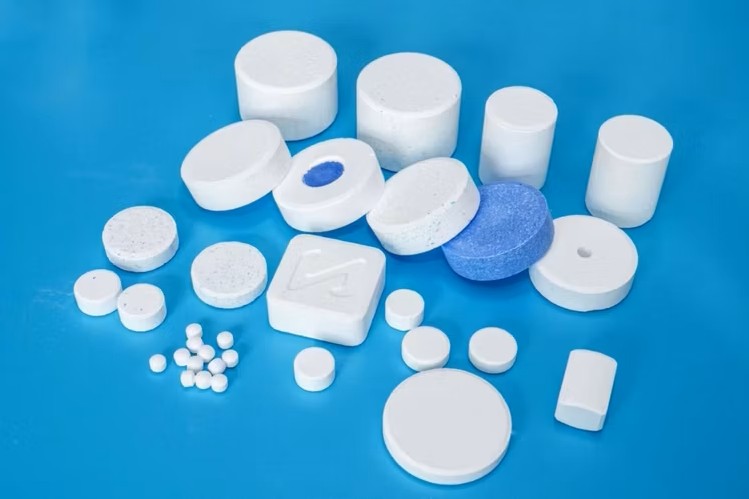
Import programs allow fountain companies to request specific packaging configurations suited to their operational needs. Options include 25kg bags, 50kg drums, or custom tablet sizes that match fountain treatment requirements precisely.
Strategic Import Planning for Fountain Companies
Calculating Annual TCCA Requirements
Accurate demand forecasting prevents both overstocking and shortages. Consider these factors when planning import quantities:
- Number of fountain systems under maintenance
- Average water volume per installation
- Seasonal usage variations
- Local regulatory chlorine concentration limits
- Storage capacity constraints
Lead Time Management
International TCCA shipments typically require 4-8 weeks from order placement to delivery. Building this timeline into procurement schedules ensures continuous supply without emergency ordering. Establish safety stock levels representing 6-8 weeks of normal consumption.
Documentation and Compliance Requirements
Importing chemicals requires proper documentation including commercial invoices, packing lists, bills of lading, and hazardous materials declarations. Work with experienced freight forwarders familiar with chemical transportation regulations to avoid customs delays.
Selecting the Right TCCA Manufacturer
Key Supplier Evaluation Criteria
When choosing import partners, evaluate manufacturers based on:
- Production capacity to handle your volume requirements
- Quality certifications including ISO and relevant safety standards
- Export experience with your destination country
- Technical support availability for product questions
- Payment terms flexibility for growing businesses
Red Flags to Avoid
Be cautious of suppliers offering prices significantly below market rates, lacking proper documentation, or unwilling to provide product samples for testing. These indicators often signal quality issues that could damage your fountain maintenance reputation.
Storage and Handling Best Practices
Optimal Storage Conditions
TCCA should be stored in cool, dry, well-ventilated areas away from direct sunlight and moisture. Maintain temperatures between 15-25°C and relative humidity below 70% to preserve product stability and prevent degradation.
Safety Protocols for Fountain Technicians
Train all personnel on proper TCCA handling procedures including personal protective equipment requirements, spill response protocols, and first aid measures. Maintain updated safety data sheets at all storage and application locations.
Maximizing ROI on TCCA Imports
Inventory Management Strategies
Implement just-in-time ordering combined with strategic safety stock to minimize capital tied up in inventory while preventing stockouts. Use inventory management software to track consumption rates and automate reorder triggers.
Value-Added Services from Suppliers
Many TCCA manufacturers offer technical consultation, application training, and marketing support to import partners. Leverage these resources to improve service quality and differentiate your fountain maintenance offerings from competitors.
Conclusion
Importing TCCA directly represents a strategic opportunity for fountain companies to secure reliable chemical supplies while improving profitability. By establishing relationships with qualified manufacturers, implementing proper planning protocols, and maintaining rigorous quality standards, fountain maintenance businesses can transform their supply chain from a vulnerability into a competitive advantage.
The key to success lies in thorough supplier evaluation, accurate demand forecasting, and commitment to safety and compliance. Companies that invest time in developing robust import programs will reap rewards through reduced costs, consistent quality, and enhanced customer satisfaction.
Frequently Asked Questions
Q1: What is the typical shelf life of imported TCCA?
A: Properly stored TCCA maintains effectiveness for 2-3 years from manufacture date. Store in original sealed containers in cool, dry conditions to maximize shelf life.
Q2: How much TCCA should I order for my first import?
A: Start with quantities representing 3-6 months of consumption to test supplier reliability while minimizing financial risk. Scale up based on performance and demand patterns.
Q3: Are there special licensing requirements for importing TCCA?
A: Requirements vary by country. Most jurisdictions require chemical import licenses and hazardous materials handling permits. Consult local regulatory authorities before placing orders.
Q4: What shipping methods are available for TCCA imports?
A: TCCA ships via sea freight for cost efficiency on large orders or air freight for urgent requirements. Sea freight typically takes 4-6 weeks while air freight delivers within 7-10 days.
Q5: Can I request custom TCCA tablet sizes for fountain applications?
A: Many manufacturers offer custom tablet production for qualified import partners. Discuss your specific requirements during supplier negotiations to explore customization options.
Ready to optimize your TCCA supply chain? Explore partnership opportunities with verified chemical manufacturers to secure consistent, cost-effective disinfectant supplies for your fountain maintenance operations.
