
Import TCCA for Fountain Maintenance: Algae Easy Company Pros Control
Introduction
Maintaining crystal-clear water features is a constant challenge for facility managers, hotel operators, and municipal maintenance teams. Algae growth, bacterial contamination, and cloudy water can transform an elegant fountain into an eyesore within days. For B2B professionals seeking reliable, cost-effective solutions, importing TCCA (Trichloroisocyanuric Acid) offers a powerful answer to these persistent water treatment challenges.
Understanding TCCA: The Professional Choice for Water Treatment
What Makes TCCA Superior?
TCCA is a high-efficiency disinfectant and algicide widely used in commercial water treatment. Unlike traditional chlorine products, TCCA provides slow-release chlorine action, maintaining consistent sanitization levels over extended periods. This characteristic makes it particularly valuable for large-scale fountain systems where frequent chemical dosing is impractical.
Key Benefits for Commercial Applications
- Long-lasting protection: Sustained chlorine release reduces treatment frequency
- Effective algae control: Eliminates existing algae and prevents new growth
- Cost-efficient: Lower dosage requirements compared to liquid chlorine
- Stable storage: Solid form ensures longer shelf life and easier transportation
- pH neutral: Minimal impact on water balance reduces adjustment needs
Common Pain Points in Fountain Maintenance
Algae Bloom Emergencies
Green water outbreaks can occur suddenly, especially in warm climates or during summer months. Traditional treatments often require daily application, straining maintenance budgets and labor resources.
Inconsistent Sanitization
Liquid chlorine products degrade quickly, leading to fluctuating disinfectant levels. This inconsistency creates windows of vulnerability where bacteria and algae can establish themselves.
High Operational Costs
Frequent chemical purchases, specialized storage requirements, and increased labor for application drive up total maintenance expenses significantly.
Regulatory Compliance Challenges
Many jurisdictions require documented water quality standards for public fountains. Inconsistent treatment makes compliance difficult to maintain and demonstrate.
How TCCA Solves These Challenges
Sustained Algae Prevention
TCCA’s slow-release formula maintains optimal chlorine levels for 5-7 days per application. This extended protection window dramatically reduces algae establishment opportunities while minimizing labor requirements.
Simplified Inventory Management
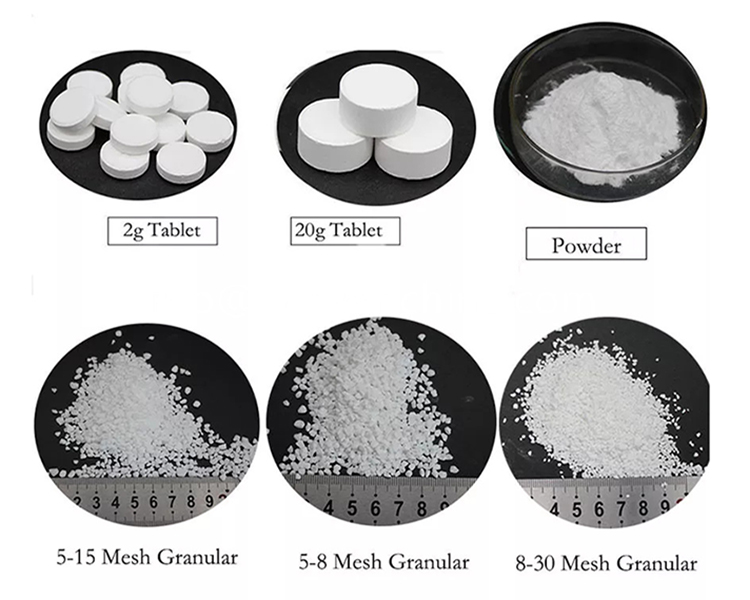
Solid TCCA tablets or granules require less storage space than liquid alternatives. No special temperature control is needed, reducing warehouse costs and safety concerns.
Predictable Budgeting
With consistent dosage rates and longer treatment intervals, facility managers can accurately forecast chemical expenses and reduce unexpected maintenance costs.
Documentation-Ready Results
Stable chlorine levels make water quality testing more reliable, simplifying compliance reporting for health inspectors and municipal authorities.
Implementation Best Practices for B2B Buyers
Sourcing Quality TCCA
When importing TCCA for commercial use, verify supplier certifications, product purity (typically 90% available chlorine), and packaging options suitable for your operation scale.
Dosage Optimization
Work with your chemical supplier to establish proper dosing protocols based on fountain volume, water turnover rate, and environmental conditions.
Safety Protocols
Ensure staff receive proper training on handling, storage, and emergency procedures. TCCA is safe when used correctly but requires professional handling practices.
Conclusion
For businesses managing multiple water features or large-scale fountain installations, TCCA represents a strategic investment in operational efficiency. The combination of effective algae control, reduced labor requirements, and predictable costs makes it the preferred choice for professional facility management teams worldwide. By partnering with reliable TCCA suppliers, B2B buyers can transform their water maintenance challenges into competitive advantages.
FAQ
Q: How long does TCCA remain effective in fountain water?
A: Under normal conditions, TCCA maintains effective chlorine levels for 5-7 days, depending on water temperature, sunlight exposure, and bather load.
Q: Is TCCA safe for decorative fountains with fish or plants?
A: TCCA should not be used in fountains containing live fish or sensitive aquatic plants. Consult your supplier for alternative treatments in these scenarios.
Q: What is the typical shelf life of imported TCCA?
A: Properly stored TCCA maintains potency for 2-3 years. Keep in cool, dry conditions away from direct sunlight and incompatible materials.
Q: Can TCCA be used alongside other water treatment chemicals?
A: Yes, but never mix TCCA directly with other chemicals. Allow proper intervals between applications and consult technical documentation for compatibility.
Q: What certifications should I look for when importing TCCA?
A: Seek suppliers with ISO certification, REACH compliance (for EU markets), and relevant local regulatory approvals for commercial water treatment products.
Author: Dr. Marcus Wellington
Ready to optimize your fountain maintenance program? Visit our contact page to discuss bulk TCCA sourcing solutions tailored to your business needs.
