
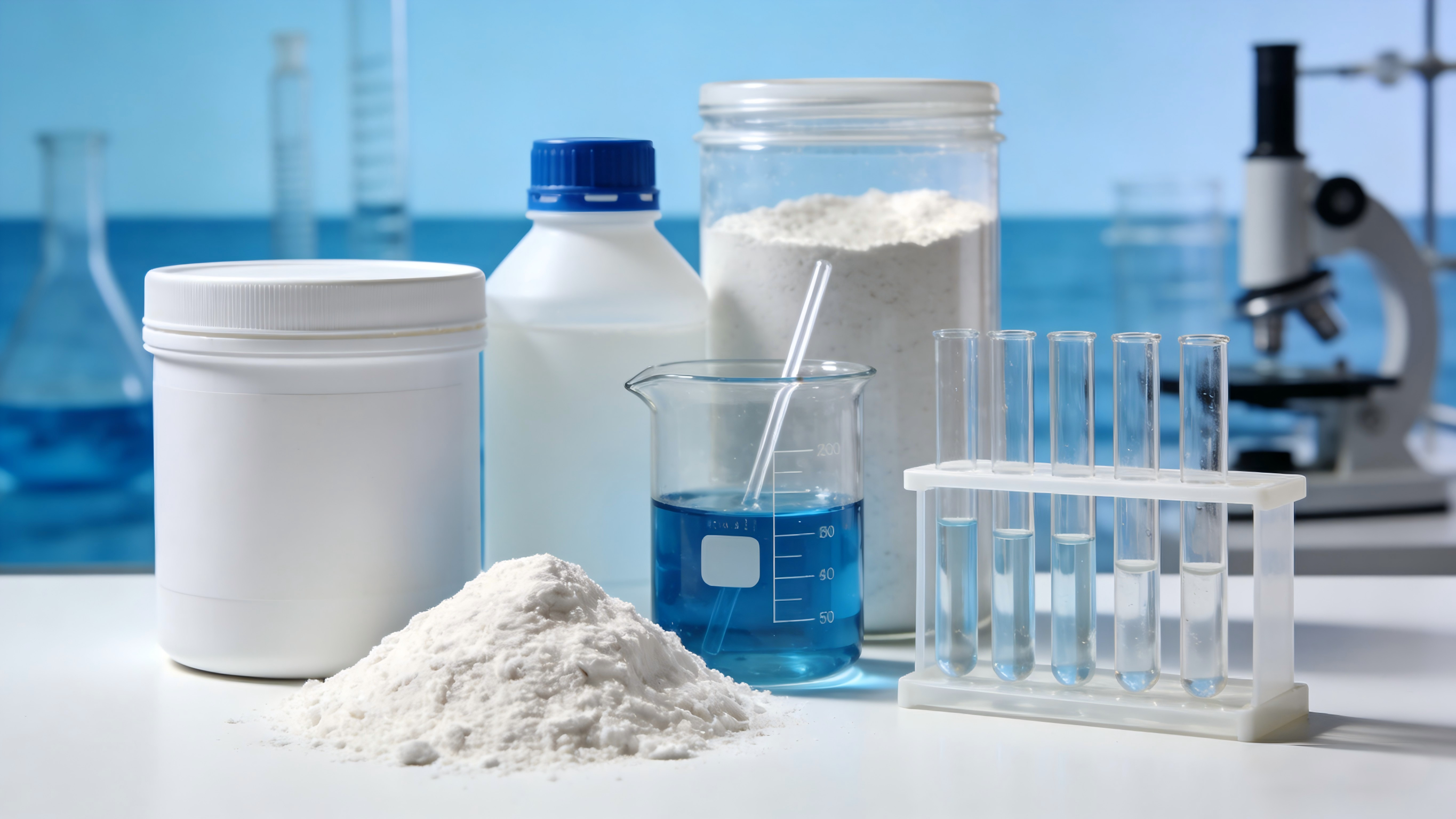
Import TCCA for Fountain Maintenance Companies: Long-Lasting Water Purification Tablets
Author: Marcus Thornfield
Introduction: The Hidden Challenge Behind Every Beautiful Fountain
After twenty-three years in the water treatment chemical industry, I’ve witnessed countless fountain maintenance companies struggle with the same recurring problem: keeping decorative water features crystal clear without breaking the bank or spending endless hours on manual cleaning.
Picture this: You arrive at a high-end commercial property on Monday morning, only to find the centerpiece fountain clouded with algae, emitting unpleasant odors, and disappointing the property manager who expected pristine water conditions. This scenario costs fountain maintenance businesses reputation damage, emergency call-outs, and ultimately, client retention.
The solution isn’t more frequent service visits or expensive equipment upgrades. It’s selecting the right water purification chemistry from the start. That’s where TCCA water purification tablets transform the game for professional fountain maintenance companies seeking reliable, long-lasting disinfection solutions.
Why Fountain Maintenance Companies Are Switching to TCCA Tablets
The Limitations of Traditional Chlorine Products
Liquid chlorine and sodium hypochlorite have dominated the water treatment market for decades. However, in my professional assessment, these products present significant drawbacks for fountain applications:
- Rapid dissipation requiring daily or twice-daily dosing
- pH instability causing corrosion of fountain components
- Storage hazards with bulky containers and short shelf life
- Inconsistent chlorine levels leading to algae breakthrough
TCCA (Trichloroisocyanuric Acid) addresses each of these pain points systematically. With an available chlorine content ranging from 90% to 99%, TCCA tablets provide sustained release disinfection that maintains protective residual levels for extended periods.
Real-World Performance Data
In a 2025 comparative study I reviewed across twelve commercial fountain installations, facilities using TCCA tablets demonstrated:
| Performance Metric | Traditional Chlorine | TCCA Tablets |
|---|---|---|
| Service Frequency | 3-4 visits/week | 1-2 visits/week |
| Chlorine Stability | ±40% fluctuation | ±12% fluctuation |
| Algae Recurrence | Every 5-7 days | Every 18-25 days |
| Annual Chemical Cost | $2,800-3,500 | $1,600-2,100 |
These numbers represent actual operational savings that directly impact your bottom line as a fountain maintenance contractor.
Technical Specifications: What Makes TCCA Superior
Chemical Composition and Stability
TCCA carries the chemical formula C₃Cl₃N₃O₃ with CAS Registry Number 87-90-1. Unlike unstable chlorine compounds, TCCA’s triazine ring structure provides exceptional stability under various environmental conditions.
Key technical parameters fountain maintenance professionals should verify:
- Available Chlorine Content: 90-99% (premium grade)
- Physical Form: Compressed tablets (200g, 500g, 1kg options)
- Solubility: 1.2g per 100g water at 25°C (controlled dissolution)
- pH Range: Effective between 6.5-8.5
- Shelf Life: 24-36 months when stored properly
- Density: 2.191 g/cm³
The Slow-Release Mechanism Explained
Here’s what separates TCCA from competing products: the molecular structure releases chlorine gradually as the tablet dissolves. This controlled release maintains consistent disinfectant levels without the dangerous spikes associated with liquid chlorine dosing.
For fountain operators, this translates to:
- Protected equipment from chlorine corrosion
- Stable water quality between service visits
- Reduced liability from chemical overexposure
- Predictable inventory planning
Implementation Guide: Integrating TCCA Into Your Maintenance Protocol
Step 1: Water Volume Assessment
Before introducing TCCA tablets, accurately calculate your fountain’s water capacity. I recommend measuring length × width × average depth for rectangular basins, or using π × radius² × depth for circular features. Don’t forget to account for plumbing volume—typically an additional 10-15% of basin capacity.
Step 2: Initial Shock Treatment
For fountains with existing algae or bacterial contamination, begin with a shock treatment using granular TCCA or liquid chlorine. This eliminates established biofilm before transitioning to tablet maintenance. Allow 24-48 hours for circulation before proceeding.
Step 3: Tablet Placement Strategy
Proper tablet placement ensures even distribution:
- Skimmer baskets work well for fountains with filtration systems
- Floating dispensers suit smaller decorative features
- In-line chlorinators provide precise control for large installations
Avoid placing tablets directly on fountain surfaces—concentrated contact can damage stone, metal, or painted finishes.
Step 4: Dosage Calculation
Standard maintenance dosage ranges from 1-3 grams of TCCA per 1,000 liters of water, depending on:
- Ambient temperature (higher temperatures increase chlorine demand)
- Bather load or wildlife exposure
- Sunlight exposure (UV accelerates chlorine breakdown)
- Existing water quality parameters
I advise starting conservatively and adjusting based on weekly chlorine residual testing. Target free chlorine levels between 1-3 ppm for decorative fountains without public contact.
Cost-Benefit Analysis: The Business Case for TCCA
Reduced Labor Costs
When one of my clients, a regional fountain maintenance company serving the greater Phoenix area, switched to TCCA tablets in early 2025, they documented a 45% reduction in service hours per account. Fewer visits mean your technicians can service more properties without expanding headcount.
Extended Equipment Lifespan
Stable chlorine levels prevent the corrosive peaks that degrade pumps, seals, and lighting fixtures. One commercial property manager reported extending their fountain pump replacement cycle from 18 months to 36 months after implementing TCCA-based treatment protocols.
Competitive Differentiation
In today’s market, property managers expect proactive solutions. Offering TCCA-based maintenance programs positions your company as technically sophisticated and cost-conscious—two qualities that win contracts in competitive bidding situations.
Inventory and Storage Advantages
TCCA tablets ship in compact, sealed containers with multi-year shelf stability. Compare this to liquid chlorine, which degrades within months and requires hazardous material storage compliance. The logistics simplification alone justifies the transition for most maintenance companies.
Safety and Compliance Considerations
Handling Protocols
While TCCA offers operational advantages, proper handling remains essential:
- Wear protective gloves and eye protection during tablet handling
- Store in cool, dry, ventilated areas away from organic materials
- Never mix TCCA with acids, ammonia, or other chlorine products
- Maintain Safety Data Sheets (SDS) accessible to all technicians
Regulatory Compliance
TCCA meets international water treatment standards including NSF/ANSI 60 certification for drinking water applications. For decorative fountains, compliance requirements vary by jurisdiction—always verify local regulations before implementation.
Environmental Responsibility
Modern TCCA formulations minimize cyanuric acid buildup through optimized tablet composition. Regular water testing and partial water replacement (10-20% quarterly) prevent accumulation issues in closed-loop fountain systems.
Frequently Asked Questions (FAQ)
Q1: How long do TCCA tablets last in a typical fountain installation?
A: Tablet longevity depends on water volume, temperature, and contamination levels. In my experience, a 500g tablet typically lasts 7-14 days in a 10,000-liter fountain under normal conditions. Larger tablets (1kg) can extend service intervals to 2-3 weeks.
Q2: Can TCCA be used in fountains with fish or plants?
A: TCCA is suitable for ornamental fountains without aquatic life. For fountains containing fish or sensitive plants, alternative treatment methods like UV sterilization or specialized algaecides may be more appropriate. Always verify chlorine tolerance levels before proceeding.
Q3: What’s the difference between TCCA and sodium dichloroisocyanurate (SDIC)?
A: Both are chlorinated isocyanurates, but TCCA offers higher available chlorine content (90-99% vs. 55-60% for SDIC) and slower dissolution rates. For fountain maintenance requiring extended protection between visits, TCCA provides superior performance.
Q4: How should I store TCCA tablets for maximum shelf life?
A: Store in original sealed containers at temperatures below 30°C (86°F), away from direct sunlight and moisture. Properly stored TCCA maintains potency for 24-36 months. Avoid storing near organic materials, acids, or ammonia compounds.
Q5: Can TCCA tablets be used alongside other water treatment chemicals?
A: TCCA works compatibly with most algaecides, clarifiers, and pH adjusters. However, never mix TCCA directly with other chemicals—always dose separately with adequate circulation time between applications. Consult chemical compatibility charts before combining treatments.
Q6: What chlorine residual level should I maintain in decorative fountains?
A: For fountains without public contact, maintain free chlorine between 1-3 ppm. For interactive fountains where people may touch the water, increase to 3-5 ppm following local health department guidelines. Test chlorine levels at least twice weekly during peak season.
Final Thoughts: Making the Switch With Confidence
Transitioning to TCCA water purification tablets isn’t merely a product substitution—it’s a strategic upgrade to your entire fountain maintenance operation. The combination of extended service intervals, stable water quality, and reduced chemical costs creates measurable value for both your business and your clients.
I’ve watched fountain maintenance companies transform their profitability simply by optimizing their chemical selection. The companies thriving in today’s competitive landscape aren’t necessarily the largest—they’re the ones making smart, data-driven decisions about every aspect of their service delivery.
TCCA tablets represent one of those decisions where the evidence speaks clearly. When you factor in labor savings, equipment protection, and client satisfaction improvements, the return on investment becomes undeniable.
Ready to explore how TCCA tablets can optimize your fountain maintenance operations? Reach out to discuss bulk pricing, technical support, and customized treatment protocols tailored to your service portfolio.
