
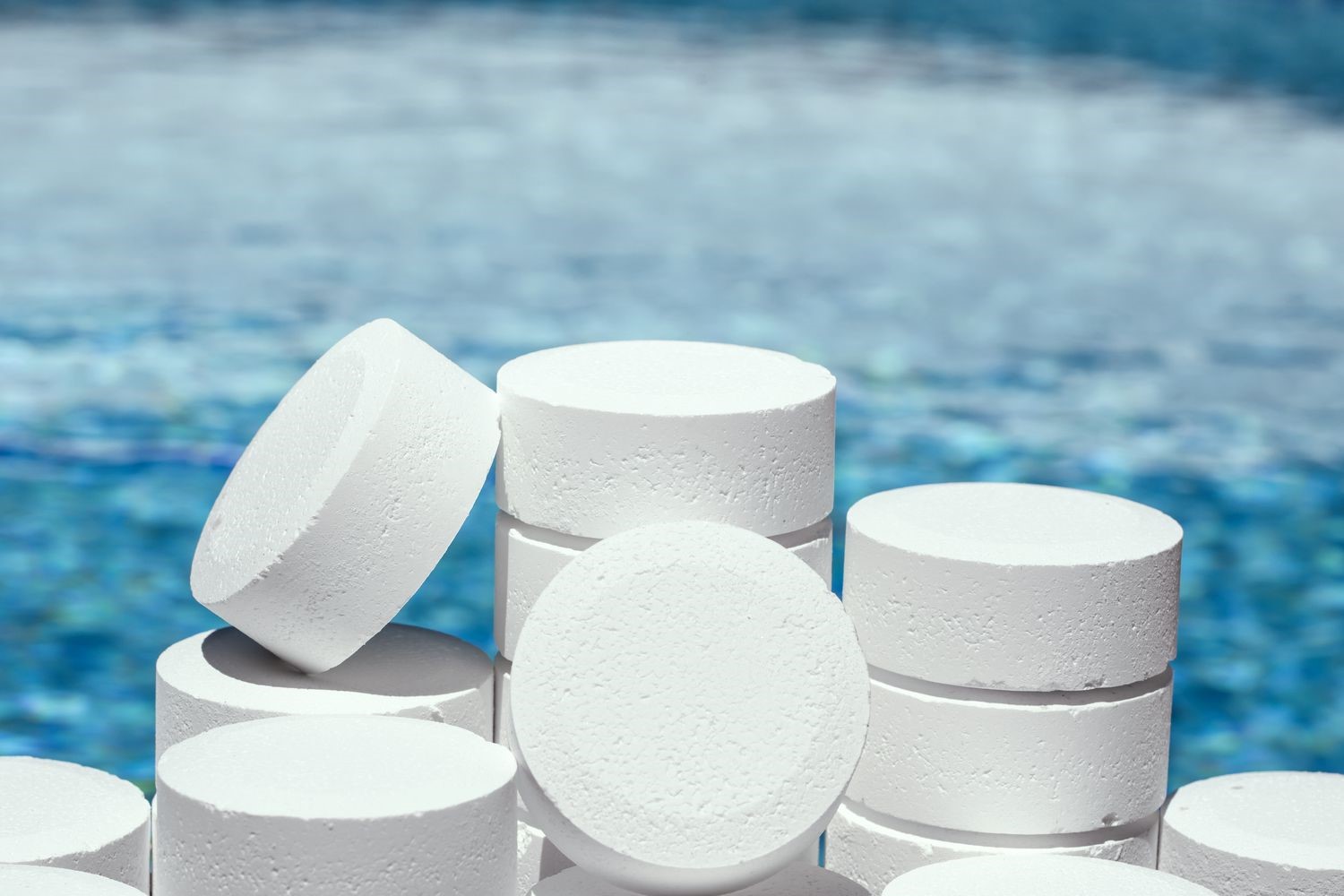
# Import TCCA for Fountain Maintenance: Easy Company Pros Control Algae
There is nothing quite as disappointing as arriving at a client site only to find their prized centerpiece turning green. I have been in the water treatment industry for over fifteen years, and I can tell you that a murky fountain is more than just an eyesore; it is a reflection on your company’s reliability. When maintenance contracts are on the line, efficiency and results are the only currencies that matter. This is where importing high-quality Trichloroisocyanuric Acid, commonly known as TCCA, becomes a game-changer for professional maintenance companies.
Managing commercial water features is a complex task. Between pump failures, mineral buildup, and the relentless growth of algae, facility managers need solutions that work consistently without requiring constant intervention. In this article, we will explore why TCCA is the industry standard for algae control, how to navigate the import process for bulk supplies, and why this chemical compound is essential for keeping your service contracts profitable and your clients happy.
The Hidden Challenge of Commercial Water Features
Fountains, ponds, and decorative water features are designed to be beautiful, but biologically, they are often disaster zones waiting to happen. Unlike swimming pools, which are filtered and swum in regularly, fountains often sit stagnant for periods or operate in cycles that allow biofilm to establish itself. Sunlight hits the standing water, temperatures fluctuate, and organic debris like leaves or dust settles at the bottom.
This creates the perfect storm for algae blooms. Once algae takes hold, it is incredibly stubborn. It clogs nozzles, strains pumps, and emits unpleasant odors. I have consulted for maintenance firms who were losing thousands of dollars annually simply because they were using inferior sanitizers that degraded too quickly under UV exposure. The solution is not just adding more chlorine; it is adding the right chlorine. This is where the stability of TCCA separates the amateurs from the pros.
Why TCCA Outperforms Traditional Sanitizers
When we talk about effective algae control, we are talking about residual protection. Liquid bleach or standard calcium hypochlorite might spike the chlorine levels initially, but they dissipate rapidly, especially in outdoor environments exposed to direct sunlight. TCCA offers a distinct advantage due to its chemical structure. It contains a high available chlorine content, typically around 90%, and it releases that chlorine slowly over time.
This slow-release mechanism is critical for fountain maintenance. It ensures that a consistent level of sanitizer remains in the water, preventing algae spores from germinating in the first place. Furthermore, TCCA is highly stable. It does not degrade quickly under UV light, which means less chemical is wasted, and fewer site visits are required to rebalance the water chemistry. For a B2B maintenance provider, this translates directly to reduced labor costs and higher margin retention on service contracts.
Another significant benefit is its solubility profile. TCCA tablets or granules dissolve at a controlled rate, preventing the shock spikes that can damage fountain equipment or harm surrounding landscaping due to oversplash. In my experience, switching to a TCCA-based regimen reduced equipment corrosion complaints by nearly forty percent for one of our partner distributors in Southeast Asia.
Navigating the Import Process for Bulk Chemicals
For maintenance companies looking to scale, buying retail containers is not economically viable. Importing TCCA in bulk is the logical step, but it requires careful planning. The global supply chain for water treatment chemicals is robust, but quality varies significantly between manufacturers. When sourcing TCCA for import, purity is the non-negotiable factor.
Low-grade TCCA may contain excessive moisture or impurities that lead to caking or inconsistent dissolution rates. This can ruin dispensers and lead to uneven water treatment. When vetting suppliers, request detailed specification sheets that confirm the available chlorine content, moisture levels, and pH stability. Reputable manufacturers will provide batch testing reports without hesitation.
Logistics also play a crucial role. TCCA is classified as a hazardous material for shipping due to its oxidizing properties. Proper documentation, including MSDS (Material Safety Data Sheets) and correct hazard labeling, is essential to avoid customs delays. I recommend working with freight forwarders who have specific experience with Class 5.1 oxidizing substances. Delays at the port can disrupt your supply chain, leaving your technicians without the necessary materials to service their routes. Planning your import cycles around peak seasons, such as spring and summer when algae growth is most aggressive, ensures you never face a stockout situation.
Best Practices for Application and Safety
Having the chemical is one thing; using it correctly is another. Even the best imported TCCA will fail if applied improperly. For large fountains, automatic dosing systems are preferable to manual dumping. These systems can be calibrated to release tablets at a rate that matches the water volume and turnover rate.
Safety is paramount. While TCCA is stable, it is a strong oxidizer. Technicians must wear appropriate PPE, including gloves and eye protection, when handling bulk quantities. Never mix TCCA with other chemicals, especially acids or ammonia-based products, as this can generate toxic gases. Storage is also critical; keep containers in a cool, dry, and well-ventilated area away from direct sunlight and organic materials.
From a customer relations perspective, transparency is key. Inform your clients that you are using a premium, slow-release sanitizer designed for long-term clarity. This adds value to your service proposition. It shows that you are investing in higher-quality materials to protect their asset, which justifies premium pricing on your maintenance contracts.
The ROI of Quality Water Treatment
Let’s talk numbers. The cost of importing high-grade TCCA might seem higher upfront compared to local, lower-quality alternatives. However, the return on investment becomes clear when you analyze the total cost of ownership. Fewer site visits mean lower fuel and labor costs. Less equipment failure means fewer emergency repair bills that often eat into your profits.
Moreover, client retention is cheaper than client acquisition. A clean, sparkling fountain enhances the property value of your client’s building or park. When their customers or visitors compliment the water feature, your company gets the credit. In the B2B world, reputation is everything. Consistent results build trust, and trust leads to contract renewals and referrals. I have seen maintenance companies double their client base simply by guaranteeing water clarity through superior chemical management.
Conclusion
In the competitive landscape of facility maintenance, details matter. Algae control is not just about keeping water clear; it is about demonstrating professionalism and reliability. Importing high-quality TCCA provides the stability, efficiency, and effectiveness needed to manage commercial fountains successfully. By understanding the chemical advantages, navigating the import process wisely, and adhering to strict application standards, your company can dominate the local market for water feature maintenance.
Do not let green water undermine your hard work. Invest in the right chemistry, streamline your supply chain, and watch your service quality—and your bottom line—improve. The difference between a good maintenance company and a great one often comes down to the tools and chemicals they choose to trust.
Frequently Asked Questions
Q: How often should TCCA be added to a commercial fountain?
A: This depends on the water volume and environmental factors. However, due to its slow-release nature, TCCA tablets typically last longer than liquid chlorine. Most commercial systems require replenishment every 1 to 3 weeks. Using a floating dispenser or automatic feeder helps maintain consistent levels.
Q: Is TCCA safe for fountains with surrounding vegetation?
A: When used according to dosage guidelines, TCCA is safe. However, oversplash containing high concentrations of chlorine can damage sensitive plants. It is advisable to monitor runoff and ensure dosing systems are calibrated to prevent excessive chlorine levels in the water that might splash onto landscaping.
Q: Can I mix TCCA with other algaecides?
A: Generally, TCCA works well alongside non-oxidizing algaecides for severe blooms. However, never mix chemicals directly together in a container. Always add them to the water separately and allow time for circulation. Consult the chemical manufacturer’s compatibility chart before combining treatments.
Q: What is the shelf life of imported TCCA?
A: If stored in a cool, dry place away from moisture and direct sunlight, TCCA has a long shelf life, typically around 2 to 3 years. Proper storage is essential to prevent degradation of the chlorine content before use.
Q: Why should I import instead of buying locally?
A: Importing often allows for better pricing on bulk orders and access to higher purity grades that may not be available locally. For large maintenance companies, the cost savings per kilogram can significantly impact annual profitability.
Author: Marcus Thorne
