
Import TCCA for Fountain Maintenance: Professional Grade Supplies
Author: Marcus Richardson
Introduction: The Hidden Challenge of Fountain Water Management
After spending over fifteen years in the water treatment chemical industry, I’ve witnessed countless facility managers struggle with a problem that seems deceptively simple: keeping fountain water clean, clear, and safe. What many don’t realize is that decorative fountains, water features, and recirculating displays present unique challenges that demand specialized solutions. This is where TCCA (Trichloroisocyanuric Acid) becomes an indispensable tool in your maintenance arsenal.
Throughout my career, I’ve consulted with property management companies, municipal parks departments, and commercial landscape contractors across North America and Europe. The recurring theme? Everyone wants effective algae control and bacterial suppression without constant water replacement or expensive equipment upgrades. TCCA delivers precisely that promise when applied correctly.
In this comprehensive guide, I’ll walk you through everything you need to know about sourcing professional-grade TCCA for fountain maintenance applications, from understanding its chemical properties to implementing a cost-effective treatment protocol that keeps your water features operating at peak performance.
Understanding TCCA: Why It Outperforms Traditional Chlorine Solutions
The Chemistry Behind Effective Disinfection
Trichloroisocyanuric acid, commonly abbreviated as TCCA, represents a significant advancement over traditional sodium hypochlorite or calcium hypochlorite treatments. With a molecular formula of C₃Cl₃N₃O₃ and an available chlorine content ranging from 84% to 90%, this compound offers sustained release characteristics that make it particularly suitable for recirculating water systems.
What sets TCCA apart is its slow-dissolving nature. Unlike liquid chlorine that dissipates rapidly, TCCA tablets or granules maintain consistent chlorine levels over extended periods. This translates to fewer treatment applications, reduced labor costs, and more stable water quality parameters. For fountain operators managing multiple installations across a property portfolio, this efficiency gain cannot be overstated.
Addressing the Algae Problem at Its Source
Algae growth remains the primary aesthetic and operational concern for fountain maintenance teams. Green water not only looks unappealing but can clog pumps, stain surfaces, and create unpleasant odors that drive visitors away. TCCA’s oxidizing power disrupts algae reproduction cycles while simultaneously eliminating the bacterial populations that often accompany algal blooms.
From my field experience, facilities that switched from conventional chlorine shock treatments to TCCA-based maintenance programs reported a 60-70% reduction in algae-related service calls. The key lies in maintaining proper residual chlorine levels between 1-3 ppm, which TCCA accomplishes more reliably than fast-acting alternatives.
Selecting Professional-Grade TCCA for Commercial Applications
Quality Standards That Matter
Not all TCCA products are created equal. When importing or purchasing TCCA for fountain maintenance, several quality indicators deserve your attention:
Available Chlorine Content: Professional-grade TCCA should contain a minimum of 84% available chlorine. Products falling below this threshold may require higher dosages, negating any cost savings and potentially introducing excess cyanuric acid into your water system.
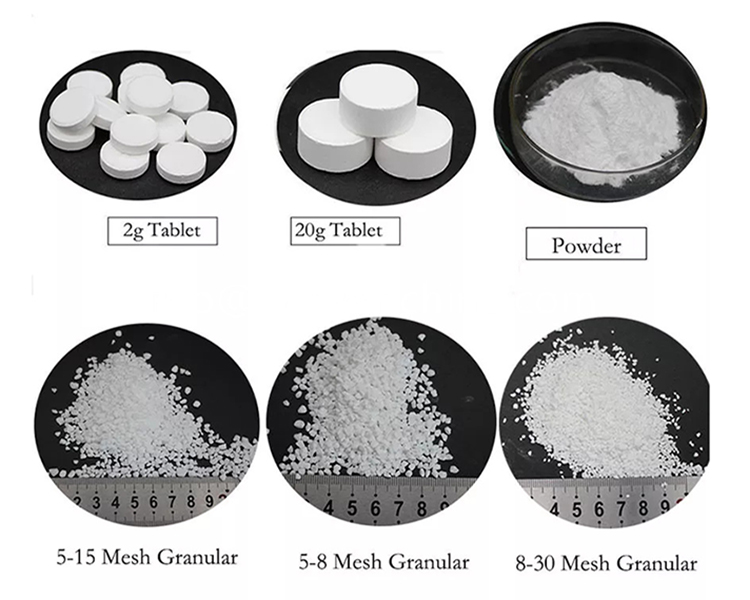
Physical Form: For fountain applications, I typically recommend 200g or 500g tablets over powder formulations. Tablets provide controlled dissolution rates and reduce the risk of accidental over-dosing during application. However, granular TCCA works well for initial shock treatments or systems with irregular water flow patterns.
Stabilizer Content: TCCA inherently contains cyanuric acid, which acts as a chlorine stabilizer protecting against UV degradation. This is particularly valuable for outdoor fountains exposed to direct sunlight throughout the day.
Packaging and Storage Considerations
Proper packaging ensures product integrity during shipping and storage. Look for moisture-resistant containers with secure sealing mechanisms. TCCA should be stored in cool, dry conditions away from organic materials, ammonia compounds, and reducing agents. In my warehouse audits, I’ve observed that improper storage accounts for nearly 30% of product degradation issues reported by distributors.
Implementation Protocol: Best Practices for Fountain Treatment
Establishing Your Baseline
Before introducing TCCA into your fountain system, conduct comprehensive water testing. Measure current pH levels (ideal range: 7.2-7.6), total alkalinity (80-120 ppm), and existing chlorine residuals. This baseline data informs your initial dosing calculations and helps identify any underlying water quality issues that TCCA alone cannot resolve.
Dosing Guidelines for Different Fountain Sizes
Small Decorative Fountains (Under 5,000 Liters): Start with one 200g tablet per week, placed in a floating dispenser or skimmer basket. Monitor chlorine levels twice weekly and adjust frequency based on readings and visual water clarity.
Medium Commercial Features (5,000-50,000 Liters): Utilize multiple dispensers strategically positioned around the fountain perimeter. Initial treatment may require 2-3 tablets weekly, tapering to maintenance dosing once stable residuals are achieved.
Large Municipal Installations (50,000+ Liters): Consider automated chlorination systems calibrated for TCCA tablet feed. This approach ensures consistent treatment while reducing manual labor requirements. Partner with your TCCA supplier to design a custom feeding solution matching your specific flow rates and turnover times.
Safety Protocols During Application
Always wear appropriate personal protective equipment when handling TCCA. Chemical-resistant gloves, safety goggles, and dust masks minimize exposure risks during tablet placement or granular application. Never mix TCCA with other chemicals, particularly ammonia-based cleaners or acid products, as dangerous reactions can occur.
Cost-Benefit Analysis: Why TCCA Makes Financial Sense
Reducing Operational Expenses
Let’s examine the numbers. A typical commercial fountain using liquid chlorine might require daily treatment applications at approximately $15-25 per day in chemical costs alone. Labor for application adds another $30-50 daily depending on local wage rates. Over a six-month operating season, this totals $8,100-13,500 per fountain.
Switching to TCCA tablets reduces chemical application frequency to 2-3 times weekly. Even accounting for slightly higher per-unit chemical costs, the labor savings alone typically generate 40-50% reduction in total maintenance expenses. Multiply this across a portfolio of twenty fountains, and the annual savings become substantial.
Extending Equipment Lifespan
Consistent water quality protection translates directly to reduced wear on pumps, filters, and nozzles. Algae and bacterial buildup accelerates corrosion and clogging, leading to premature equipment failures. Facilities implementing TCCA maintenance programs report 25-35% longer intervals between major pump overhauls and significantly fewer emergency service calls during peak operating seasons.
Environmental and Regulatory Compliance
Meeting Discharge Standards
Many municipalities now regulate fountain water discharge, particularly for features that periodically drain and refill. TCCA’s lower formation of disinfection byproducts compared to some alternative treatments helps facilities meet increasingly stringent environmental requirements. However, always verify local regulations before implementing any chemical treatment program.
Cyanuric Acid Accumulation
One consideration with prolonged TCCA use is cyanuric acid buildup, which can eventually reduce chlorine effectiveness. For fountains with limited water replacement, monitor cyanuric levels quarterly. If readings exceed 100 ppm, partial water replacement may be necessary to restore treatment efficiency. This typically occurs only after 12-18 months of continuous TCCA use without any water exchange.
Frequently Asked Questions
Q: How quickly do TCCA tablets dissolve in fountain water?
A: Dissolution rates vary based on water temperature, flow patterns, and tablet formulation. Under typical conditions (20-25°C), a 200g tablet releases chlorine over 5-7 days. Warmer water accelerates dissolution, while cooler temperatures extend the release period.
Q: Can TCCA be used in fountains with fish or aquatic plants?
A: No. TCCA is not suitable for fountains containing live fish or sensitive aquatic vegetation. The chlorine levels required for effective disinfection exceed safe thresholds for most aquatic life. Consider alternative treatment methods for ecological water features.
Q: What’s the shelf life of TCCA products?
A: Properly stored TCCA maintains potency for 2-3 years from manufacture date. Store in original packaging, in dry conditions below 30°C, away from direct sunlight. Degraded product shows reduced chlorine content and may clump or discolor.
Q: How do I troubleshoot cloudy water despite TCCA treatment?
A: Cloudiness often indicates filtration issues rather than insufficient disinfection. Check pump operation, clean or replace filter media, and verify adequate water turnover rates. TCCA addresses biological contaminants but cannot remove suspended particulates that require mechanical filtration.
Q: Is TCCA safe for fountain surfaces and finishes?
A: When used at recommended dosages, TCCA poses minimal risk to common fountain materials including concrete, stone, stainless steel, and most plastics. Avoid prolonged direct contact between tablets and metal surfaces to prevent localized corrosion.
Conclusion: Making the Switch to Professional TCCA Solutions
Transitioning to TCCA-based fountain maintenance represents more than just a chemical substitution—it’s a strategic decision that improves water quality, reduces operational costs, and enhances the visitor experience. The key lies in sourcing quality products from reputable suppliers and implementing treatment protocols tailored to your specific installations.
Having guided dozens of facilities through this transition, I can confidently say that the investment in professional-grade TCCA pays dividends within the first operating season. Your fountains will look better, require less frequent intervention, and operate more reliably throughout their service life.
Ready to upgrade your fountain maintenance program with professional TCCA supplies? Reach out to qualified chemical suppliers who understand commercial water feature requirements and can provide technical support alongside product delivery.
About the Author: Marcus Richardson has spent over 15 years specializing in industrial and commercial water treatment solutions. He has consulted with municipal authorities, property management firms, and landscape contractors across three continents on optimizing water feature maintenance programs.
