
Securing Safe Drinking Water: Choosing the Right Industrial Grade Calcium Hypochlorite Suppliers for Municipal Water Supply Businesses
Ensuring the safety of public drinking water is not just a regulatory obligation; it is a moral imperative. As someone who has spent over twenty years navigating the complexities of water treatment chemistry, I understand the immense pressure faced by procurement managers and engineering directors within municipal water supply businesses. The margin for error is non-existent. When it comes to disinfection, the choice of chemical agent is critical, and arguably, nothing stands as tall in the industry as industrial grade calcium hypochlorite. However, identifying reliable suppliers for this potent oxidizer is often where the real challenge begins.
The Critical Role of Calcium Hypochlorite in Modern Water Treatment
Calcium hypochlorite, often referred to simply as Cal Hypo or HTTH, remains the backbone of disinfection strategies for countless municipalities worldwide. Its popularity stems from its high available chlorine content, typically ranging between 65% and 70% for industrial grades. This high concentration means less product needs to be stored and handled compared to liquid bleach, which degrades faster and carries significantly more water weight.
In my experience consulting for various water authorities, the stability of solid calcium hypochlorite is a game-changer. Municipalities often need to maintain reserves for emergency situations, such as natural disasters or supply chain disruptions. Unlike sodium hypochlorite, which loses potency relatively quickly when stored in large tanks, high-quality industrial grade calcium hypochlorite can maintain its efficacy for extended periods if stored correctly. This reliability is why it remains a top choice for primary disinfection and emergency shock treatments in distribution systems.
What Defines a Top-Tier Supplier?
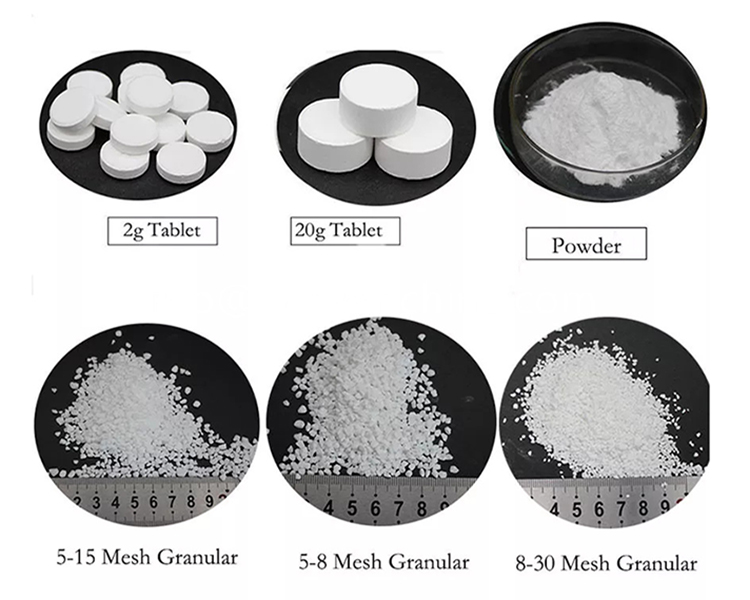
Not all chemical manufacturers are created equal. When scouting for industrial grade calcium hypochlorite suppliers, municipal buyers must look beyond the price per ton. I have seen too many contracts signed based on the lowest bid, only for the client to face issues with inconsistent granule size, excessive dust, or lower-than-advertised chlorine availability. These inconsistencies can wreak havoc on automated dosing systems and compromise water safety compliance.
Quality Assurance and Certification
A reputable supplier must provide comprehensive Certificates of Analysis (CoA) with every batch. This document should detail not just the available chlorine, but also moisture content, calcium chloride levels, and insoluble matter. High moisture content, for instance, can lead to caking and even spontaneous combustion risks during storage. Top-tier suppliers adhere to strict international standards, such as ISO 9001, and often comply with specific regional regulations like NSF/ANSI 60 for drinking water treatment chemicals. If a supplier hesitates to share third-party lab results, consider it a major red flag.
Production Capacity and Supply Chain Resilience
Municipal water supply businesses operate 24/7, and their chemical supply cannot afford interruptions. The global chemical landscape is volatile, influenced by raw material availability, energy costs, and geopolitical factors. A robust supplier will have multiple production lines or strategic stockpiles to ensure continuity. During my tenure advising procurement teams, I always recommend asking potential partners about their contingency plans. How do they handle port congestion? Do they have diversified logistics partners? A supplier that can guarantee delivery windows even during peak demand seasons is worth their weight in gold.
Safety, Handling, and Regulatory Compliance
Handling industrial grade calcium hypochlorite requires strict adherence to safety protocols. It is a strong oxidizer and can react violently with organic materials or acids. Therefore, the supplier’s role extends beyond just selling the product; they must be a partner in safety.
Packaging Integrity
The packaging used for bulk calcium hypochlorite is crucial. I prefer suppliers who use high-density polyethylene (HDPE) drums or specialized bulk bags with inner liners that provide a moisture barrier. Poor packaging leads to degradation before the product even reaches your facility. Furthermore, proper labeling according to GHS (Globally Harmonized System) standards is mandatory for transport and storage compliance.
Technical Support and Training
The best suppliers offer more than just a transaction. They provide technical support. Can their team assist with storage recommendations? Do they offer training for your staff on safe handling and spill containment? In complex municipal setups, having access to a chemist who understands your specific dosing infrastructure can prevent costly operational errors. I recall a instance where a minor adjustment in dissolution tank agitation, suggested by a supplier’s technical team, reduced undissolved residue by 15%, saving the municipality thousands in maintenance costs annually.
Balancing Cost Efficiency with Long-Term Value
Budget constraints are a reality for every municipal entity. However, viewing chemical procurement purely through the lens of upfront cost is a short-sighted strategy. Lower-grade calcium hypochlorite might come with a cheaper price tag, but if it contains higher levels of impurities, it can lead to increased sludge production in settling tanks. This increases the frequency of filter backwashing and raises overall operational expenditures.
Moreover, inconsistent chlorine strength forces operators to constantly adjust dosing pumps, increasing the risk of under-chlorination (pathogen risk) or over-chlorination (DBP formation and taste/odor complaints). The true cost of water treatment includes the efficiency of the chemical usage. A supplier providing consistent 70% available chlorine allows for precise dosing calculations, optimizing chemical spend and ensuring regulatory compliance with disinfection byproduct limits.
Building a Partnership for Public Health
Ultimately, selecting industrial grade calcium hypochlorite suppliers is about building a partnership dedicated to public health. The relationship should be transparent, communicative, and rooted in mutual accountability. Municipal water supply businesses need vendors who understand the gravity of their mission. When tap water flows into a home, it carries the trust of the community. That trust is upheld by the quality of the chemicals used to treat it.
As we move forward into 2026 and beyond, the standards for water quality will only become more stringent. Emerging contaminants and tighter regulatory frameworks mean that the reliability of your disinfection agent is more critical than ever. Choose a supplier who invests in quality control, values safety, and stands behind their product with data and expertise. Your community’s health depends on it.
Frequently Asked Questions (FAQ)
Q1: What is the typical shelf life of industrial grade calcium hypochlorite?
A: When stored in a cool, dry, and well-ventilated area away from direct sunlight and moisture, industrial grade calcium hypochlorite can maintain its potency for 12 to 24 months. However, potency degradation is gradual, so regular testing of stored stock is recommended for critical municipal applications.
Q2: How should we store bulk calcium hypochlorite to ensure safety?
A: Storage areas must be fire-resistant, non-combustible, and separated from organic materials, acids, and ammonia. The flooring should be impermeable to contain any spills. Always keep containers tightly sealed when not in use to prevent moisture absorption, which can lead to decomposition and gas release.
Q3: Can calcium hypochlorite be used for emergency water disinfection?
A: Absolutely. Due to its stability and high chlorine content, it is one of the preferred chemicals for emergency water supply scenarios. Municipalities often keep strategic reserves of Cal Hypo specifically for disaster recovery plans to ensure rapid deployment when standard supply lines are compromised.
Q4: What documentation should I request from a supplier before signing a contract?
A: You should request a current Certificate of Analysis (CoA), Safety Data Sheet (SDS), proof of regulatory compliance (such as NSF/ANSI 60 or equivalent), and references from other municipal clients. Additionally, ask for their logistics insurance details and emergency response protocols.
Q5: How does moisture affect the quality of calcium hypochlorite?
A: Moisture is the enemy of calcium hypochlorite. High humidity can cause the product to cake, making it difficult to handle and dose. More critically, moisture accelerates decomposition, releasing chlorine gas and reducing the available chlorine content, which compromises disinfection efficacy and creates safety hazards.
Author: Dr. Elias Thorne
