
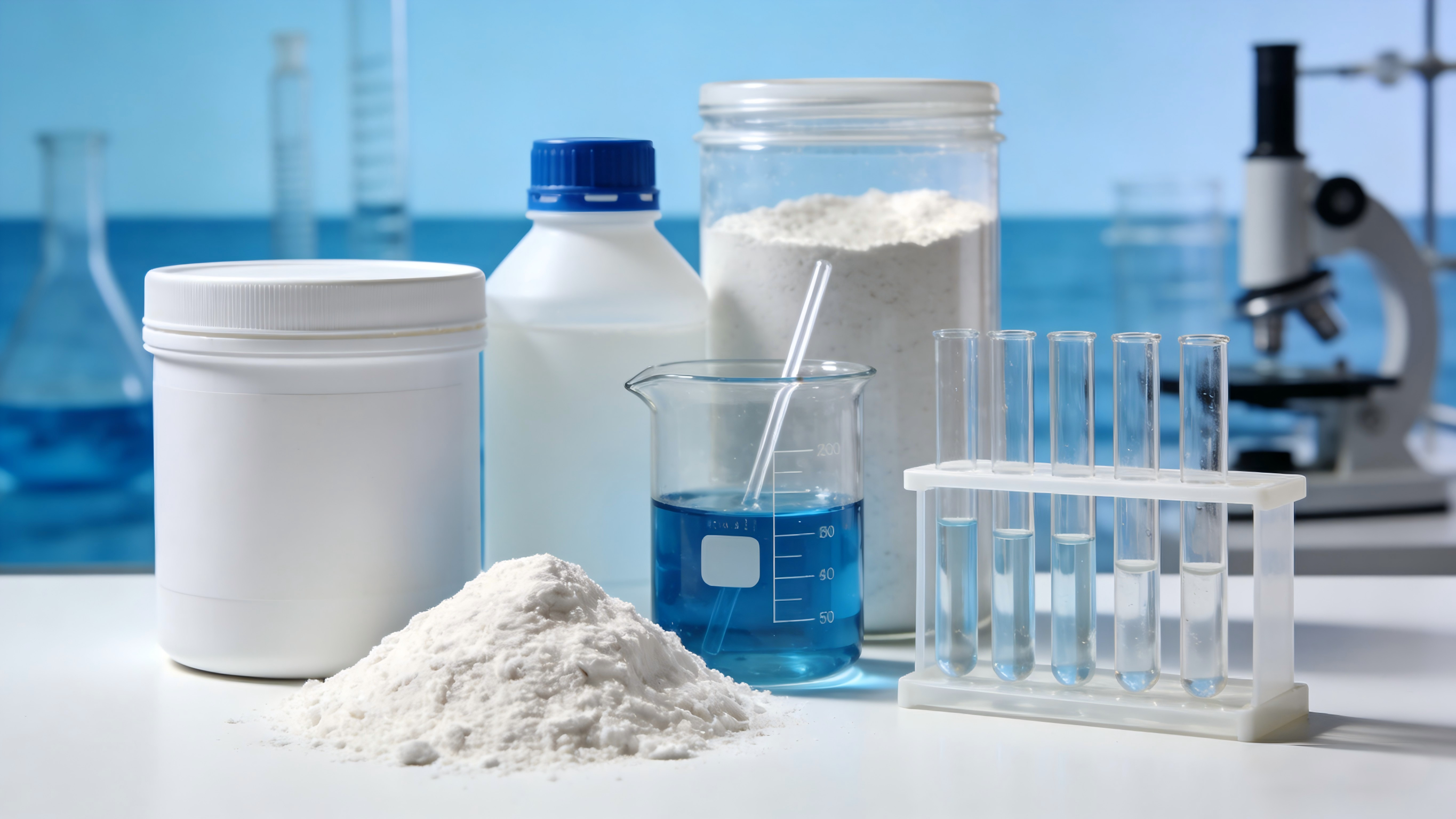
Industrial Grade SDIC Suppliers for Sanitation Businesses
In the high-stakes world of commercial sanitation, consistency isn’t just a buzzword; it’s the lifeline of your reputation. When you’re managing large-scale water treatment facilities, public swimming pools, or industrial disinfection protocols, the chemistry behind your operation determines success or failure. At the heart of many effective sanitation protocols lies Sodium Dichloroisocyanurate, commonly known as SDIC. However, sourcing this critical compound is rarely as straightforward as placing an order. Finding reliable industrial grade SDIC suppliers for sanitation businesses requires a nuanced understanding of chemical stability, supply chain logistics, and quality assurance.
Having spent over a decade navigating the complexities of the chemical supply chain, I’ve seen too many sanitation companies compromise on quality only to face operational headaches later. This guide aims to cut through the noise and help you identify partners who can truly support your scale and standards.
Understanding the Critical Difference in Grades
Not all SDIC is created equal. The market is flooded with variations ranging from agricultural grades to high-purity industrial specifications. For sanitation businesses, the distinction is vital. Industrial grade SDIC typically demands a higher available chlorine content, often exceeding 60%, along with strict controls on moisture and pH levels.
Why does this matter? Lower-grade products might seem cost-effective initially, but they often degrade faster during storage. I once consulted for a municipal water provider who switched suppliers to save a few cents per kilogram. Within months, their dosage calculations were off because the chlorine content had fluctuated by 5% between batches. That inconsistency led to under-treated water and regulatory scrutiny. When evaluating suppliers, always request detailed Specification Sheets (Spec Sheets) and verify if their production lines are dedicated to industrial outputs rather than mixed-use facilities.
Key Criteria for Vetting Potential Partners
Selecting a vendor goes beyond checking a price list. You need a partner who understands the rhythm of your business. Here are the non-negotiables I recommend looking for:
Production Capacity and Stability
Sanitation needs don’t pause for holidays or raw material shortages. A credible supplier must demonstrate robust production capacity. Ask about their monthly output and their raw material sourcing strategy. Are they dependent on a single precursor supplier, or do they have diversified inputs? Supply chain resilience is what keeps your shelves stocked during peak seasons.
Certifications and Compliance
In the chemical industry, paperwork is proof of performance. Look for ISO 9001 certification as a baseline. However, for sanitation applications, REACH compliance (if exporting to Europe) or EPA registration details (for US markets) are equally critical. These certifications aren’t just badges; they indicate a structured quality management system that reduces the risk of contaminated batches.
Logistics and Packaging Options
SDIC is sensitive to moisture and heat. How your supplier packages and ships the product directly impacts its shelf life upon arrival. Top-tier suppliers offer customized packaging solutions, from 25kg drums to bulk jumbo bags, complete with moisture-proof lining. Furthermore, inquire about their Incoterms. A supplier who can handle FOB or CIF smoothly saves your logistics team countless hours of coordination.
Avoiding Common Sourcing Pitfalls
The temptation to chase the lowest price per ton is strong, especially in competitive bidding scenarios. However, the cheapest option often hides costs elsewhere. I’ve observed three common traps:
- Hidden Moisture Content: Some manufacturers inflate weight with higher moisture levels, meaning you’re paying for water rather than active chlorine.
- Inconsistent Granule Size: If you use automated dosing systems, irregular granule sizes can cause bridging or clogging, leading to system downtime.
- Communication Lag: Time zone differences are inevitable, but a 48-hour delay in responding to a quality complaint is unacceptable.
To mitigate these risks, always request a pre-shipment sample for independent lab testing. It’s a small investment that validates the supplier’s claims before you commit to a container load.
Building a Long-term Strategic Partnership
Ultimately, your goal shouldn’t be to find a vendor, but to cultivate a partner. The best industrial grade SDIC suppliers for sanitation businesses act as an extension of your own team. They proactively inform you of market trends, raw material price shifts, or potential shipping delays.
When you establish a relationship based on transparency and technical competence, you gain more than just a product. You gain stability. In an industry where safety and efficacy are paramount, knowing exactly what is in your drums allows you to guarantee results to your own clients.
Conclusion
Navigating the chemical supply market requires diligence, but the payoff is a streamlined operation that delivers consistent sanitation results. By prioritizing quality certifications, production stability, and transparent communication over rock-bottom pricing, you secure your business against operational risks. Remember, the right supplier doesn’t just sell chemicals; they sell peace of mind.
If you are ready to elevate your supply chain standards and discuss specific requirements for your sanitation projects, feel free to reach out through our official channels.
Author: Marcus Thorne
