
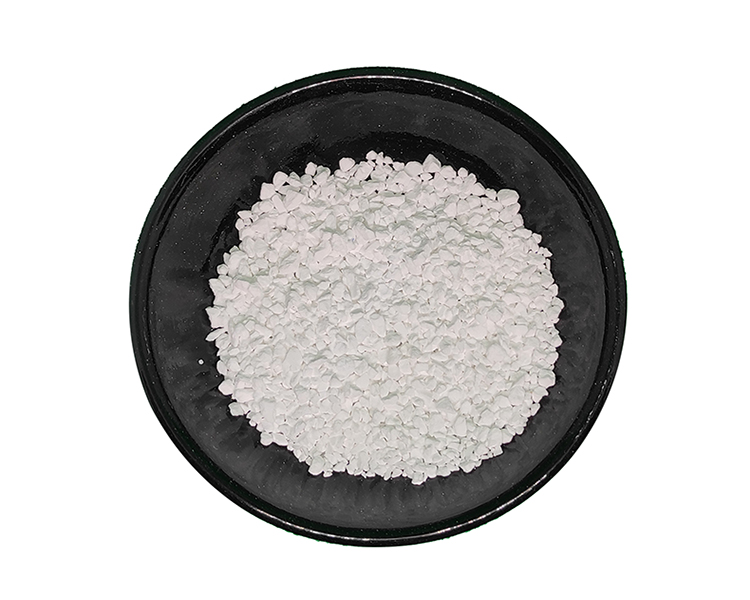
No. SDIC is not the same as chlorine. SDIC is sodium dichloroisocyanurate, a solid chlorine-releasing compound. The chlorine in SDIC is chemically bound within the molecule. When SDIC dissolves in water, it releases hypochlorous acid (HOCl), the same active disinfecting species that chlorine gas, sodium hypochlorite, and calcium hypochlorite can produce. That shared active species is why SDIC is often grouped under “chlorine-based disinfection.” But the starting chemical, physical form, available chlorine basis, pH behavior, and handling are not identical. If “chlorine” means elemental chlorine gas (Cl₂), SDIC is a different substance. If “chlorine” means free chlorine residual, SDIC can contribute to that residual, but it is still not the same product.
Why “Chlorine” Is Ambiguous
In water treatment and disinfection, “chlorine” can refer to several different things:
- Elemental chlorine gas, Cl₂, used in some large-scale industrial and water treatment systems.
- Sodium hypochlorite solution, often called liquid chlorine or bleach.
- Calcium hypochlorite, a solid chlorine-releasing product.
- Free chlorine residual in water, measured as hypochlorous acid (HOCl) and hypochlorite ion (OCl⁻).
SDIC belongs to the chlorine-based disinfectant family, but it is not chlorine gas, liquid bleach, or calcium hypochlorite. It is a chlorinated isocyanurate, also called sodium dichloro-s-triazinetrione or “dichlor.” Its chlorine is released after dissolution, so its behavior must be judged as a chlorine donor, not as elemental chlorine.
SDIC vs Chlorine Gas: Core Differences
| Point of comparison | Chlorine gas (Cl₂) | SDIC (sodium dichloroisocyanurate) |
|---|---|---|
| Chemical identity | Elemental chlorine, Cl₂ | Chlorinated isocyanurate; available as anhydrous or dihydrate forms |
| Physical form | Compressed or liquefied gas; toxic by inhalation | Solid powder, granule, or tablet |
| Chlorine delivery in water | Reacts with water to form HOCl/OCl⁻ and hydrochloric acid | Hydrolyzes to release HOCl/OCl⁻ and cyanuric acid or cyanurate species |
| Available chlorine basis | Not usually sold as a percentage available chlorine product; it is Cl₂ | Sold and dosed on available chlorine content; anhydrous and dihydrate forms differ |
| pH effect | Acidic | Depends on product form, concentration, and water chemistry; not identical to chlorine gas or bleach |
| Stabilizer contribution | None | Cyanuric acid or cyanurate species are generated |
| Handling | Requires gas-specific safety systems and controls | Solid oxidizer; dust, moisture, and incompatibility hazards apply |
| Measurement | Gas detection and water chlorine residual testing | Measured as free or total chlorine residual after dissolution; the test does not measure SDIC directly |
What Happens When SDIC Enters Water
SDIC dissolves and hydrolyzes. The chlorine bound in the isocyanurate structure is released as hypochlorous acid, which partly dissociates into hypochlorite ion depending on pH. The remaining part of the molecule becomes cyanuric acid or cyanurate species. HOCl is the primary disinfectant and oxidizer. Chlorine gas also forms HOCl in water, but it also forms hydrochloric acid and is handled as a gas. So water treated with SDIC or chlorine gas may contain the same active chlorine species, but the delivered chemistry is not the same.
This distinction matters because cyanuric acid can stabilize chlorine against sunlight in outdoor pools, but it can also accumulate and affect treatment. Chlorine gas does not add cyanuric acid. SDIC also should not be confused with purity: available chlorine is an oxidizing-capacity expression, not the percentage of SDIC in the product. A product’s SDIC assay and its available chlorine content are separate values and must be confirmed from the specification.
Is SDIC the Same as Liquid Chlorine Bleach?
No. “Liquid chlorine” commonly means sodium hypochlorite solution. Sodium hypochlorite is a different chemical with different available chlorine concentration, pH, storage stability, and feeding characteristics. SDIC is a solid product, and its chlorine is released after dissolution. SDIC and sodium hypochlorite should not be substituted on an equal-weight basis. Any substitution must be calculated on available chlorine and checked against the application, equipment, and manufacturer instructions.
Does SDIC Register as Chlorine in a Test?
After SDIC dissolves, standard chlorine residual tests can detect free and total chlorine. A DPD or FAS-DPD test measures chlorine species in the water, not the original SDIC product. A reading of “1 ppm chlorine” does not mean 1 ppm SDIC was added; it means 1 ppm chlorine residual equivalent under that test method. Applied dose and measured residual are also different: dose is the amount added, while residual is what remains active after demand. Some test methods can be affected by cyanuric acid, so the test kit instructions should be followed. A chlorine test also does not identify whether the chlorine came from SDIC, bleach, calcium hypochlorite, or chlorine gas.
Practical Differences That Affect Use
When deciding whether SDIC can replace “chlorine” in a process, check the following:
- Chemical name: Confirm whether the material is SDIC anhydrous or SDIC dihydrate. The two forms differ in available chlorine content, solubility, and handling.
- Available chlorine content: Dosing is normally calculated on available chlorine, not on total product weight alone.
- Product form: SDIC may be powder, granule, or tablet. Dissolution rate and feeding method differ by form.
- pH and alkalinity: SDIC has its own pH effect; it is not interchangeable with chlorine gas or sodium hypochlorite for pH control.
- Cyanuric acid: SDIC adds cyanuric acid or cyanurate species. In recirculating systems, this may need monitoring.
- Compatibility: Check wetted materials, other treatment chemicals, and process limitations before substitution.
- Application suitability: A product accepted for one use is not automatically accepted for another. Confirm local requirements for the intended application.
Safety: Do Not Treat Them as Interchangeable
Chlorine gas and SDIC present different hazards. Chlorine gas is toxic by inhalation and requires gas-specific engineering controls. SDIC is a solid oxidizer. It can irritate skin, eyes, and the respiratory tract as dust, and it can react dangerously with incompatible materials. Keep SDIC dry and separate from acids, ammonia-containing products, reducing agents, and other incompatible chemicals. Never mix SDIC with another chemical unless the procedure is verified for those exact products. Always follow the supplier’s safety data sheet and local regulations.
How to Confirm What You Need
If a specification or inquiry says “chlorine,” ask for the chemical identity and basis. For SDIC, request the anhydrous or dihydrate form, available chlorine content, product form, and intended application. For chlorine gas, the comparison is about a gas-fed system, not a solid product. For liquid bleach or calcium hypochlorite, the available chlorine concentration, pH, and storage characteristics differ again. The correct choice depends on the process, feed equipment, water chemistry, and regulatory limits—not on the word “chlorine” alone.
ENVO CHEMICAL can help clarify whether SDIC is the appropriate chlorine source for your application. When you contact us, provide your intended use, required product form, and any target available chlorine or residual basis so we can confirm the relevant specification.
