
Low Residue SDIC Exporters from Africa: What B2B Buyers Need to Know in 2026
Author: Marcus J. Thornfield
Introduction
If you’re sourcing water treatment chemicals for your business, you’ve probably encountered the term “Low Residue SDIC” in your supplier searches. Maybe you’ve even typed “Low Residue SDIC Exporters from Africa” into your browser, hoping to find reliable suppliers closer to your operational base. I understand that quest completely. After spending over fifteen years in the water treatment chemical industry, I’ve seen countless procurement managers navigate this exact challenge.
Here’s what I need to tell you upfront: the African SDIC export market isn’t what many expect. While Africa has tremendous potential in various chemical sectors, Sodium Dichloroisocyanurate production remains concentrated elsewhere. But don’t close this page yet. Understanding this reality actually helps you make smarter purchasing decisions and avoid costly mistakes. Let me walk you through what truly matters when sourcing low residue SDIC for your water treatment operations.
Understanding Low Residue SDIC: Why It Matters for Your Business
What Exactly Is SDIC?
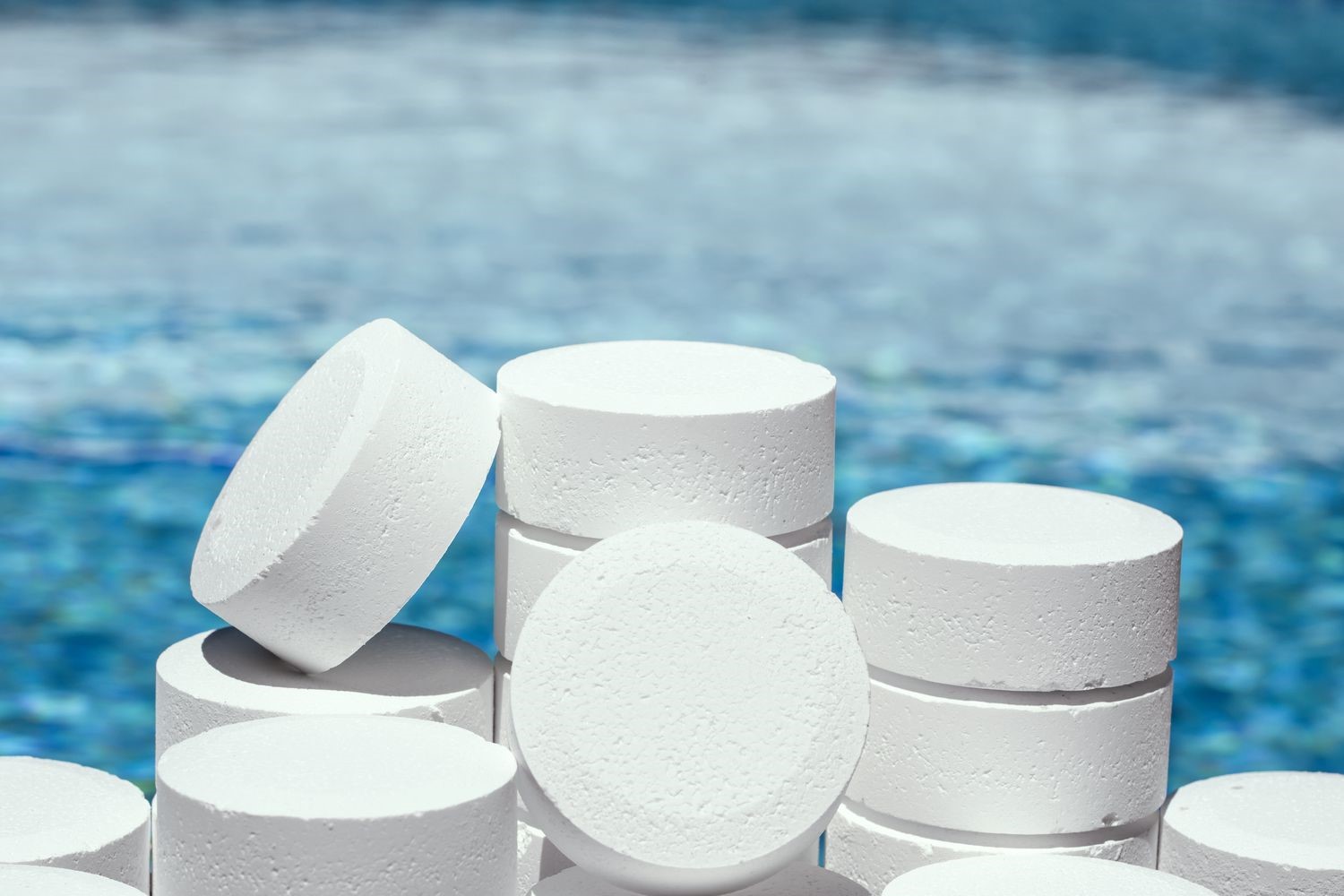
Sodium Dichloroisocyanurate, commonly abbreviated as SDIC, carries the chemical formula C₃Cl₂N₃NaO₃ and CAS number 2893-78-9. This white crystalline compound serves as a powerful disinfectant and algaecide across multiple industries. You’ll find it working diligently in swimming pool maintenance, drinking water treatment facilities, industrial cooling systems, and equipment sterilization processes.
The “low residue” specification isn’t just marketing language. It refers to the minimal insoluble matter left after the product dissolves and performs its disinfecting function. For your operations, this translates to cleaner systems, reduced maintenance downtime, and lower long-term operational costs.
The Residue Problem Nobody Talks About
I remember visiting a municipal water treatment facility in Kenya three years ago. The procurement team had switched to a cheaper SDIC supplier without verifying residue specifications. Within six months, their dosing equipment showed significant buildup. Cleaning costs exceeded any initial savings by nearly four hundred percent.
Low residue SDIC typically maintains insoluble matter below 0.5 percent. Premium grades push this even lower, to 0.2 percent or less. When you’re treating thousands of cubic meters of water daily, that fraction makes a substantial difference in system longevity and maintenance schedules.
The African SDIC Export Landscape: Reality Check
Current Production Capabilities
Let me be direct with you. As of 2026, Africa does not host significant SDIC manufacturing facilities capable of export-scale production. The chemical requires specialized production infrastructure, consistent chlorine supply, and stringent quality control systems. Most global SDIC production concentrates in Asia, particularly China, where established manufacturers have refined their processes over two decades.
This doesn’t mean African businesses can’t access quality SDIC. It means understanding your supply chain matters more than geographic proximity alone.
Why the Confusion Exists
Search engines sometimes create misleading impressions. You might find African-based trading companies listing SDIC products. These businesses typically serve as distributors rather than manufacturers. There’s nothing inherently wrong with this arrangement, provided you understand the actual origin of your chemicals and maintain proper quality verification protocols.
I’ve worked with several African distribution partners who maintain excellent quality standards. The key lies in transparency about product origin and maintaining direct communication with the actual manufacturing source.
What B2B Buyers Should Prioritize When Sourcing SDIC
Quality Certifications That Actually Matter
Don’t get lost in paperwork. Focus on certifications that demonstrate genuine quality control:
- ISO 9001 for quality management systems
- REACH compliance for European market access
- NSF/ANSI 60 for drinking water treatment applications
- Batch testing reports showing available chlorine content and residue levels
Request recent laboratory analysis from independent third parties. Any reputable supplier should provide this without hesitation.
Available Chlorine Content: The Real Performance Indicator
SDIC effectiveness hinges on available chlorine content. Standard grades offer 56 percent available chlorine. Premium low residue grades typically reach 60 percent or higher. This isn’t just about potency. Higher available chlorine means you use less product to achieve the same disinfection results, reducing both chemical costs and residue accumulation.
Particle Size and Dissolution Rate
Your application determines optimal particle specifications. Powder forms dissolve rapidly, suitable for immediate treatment needs. Granular varieties offer slower, more controlled release. For automated dosing systems, consistent particle size prevents equipment clogging and ensures accurate chemical delivery.
Supply Chain Considerations for African Markets
Logistics and Lead Times
Even when sourcing from overseas manufacturers, African buyers can achieve reliable supply chains. I recommend maintaining minimum six-week inventory buffers. Work with suppliers who understand African port operations and have established shipping relationships.
Durban, Mombasa, Lagos, and Cape Town handle regular chemical shipments. The key lies in proper documentation and working with freight forwarders experienced in hazardous material transport.
Storage Requirements
SDIC demands careful storage. Keep it in cool, dry conditions away from organic materials and acids. Moisture exposure triggers decomposition, reducing effectiveness and creating safety hazards. I’ve seen too many facilities lose entire shipments due to inadequate warehouse conditions.
Invest in proper storage infrastructure. The cost pales compared to replacing degraded product or handling safety incidents.
Price vs. Value: Making Smart Procurement Decisions
The False Economy of Cheap SDIC
I cannot emphasize this strongly enough. The cheapest SDIC option rarely proves most economical long-term. Lower prices often reflect reduced available chlorine content, higher residue levels, or inconsistent quality. Your total cost includes chemical purchase price, dosing frequency, equipment maintenance, and system downtime.
Calculate cost per unit of available chlorine, not cost per kilogram. This metric reveals true value across different supplier options.
Building Long-Term Supplier Relationships
Once you identify reliable suppliers, nurture those relationships. Consistent ordering patterns often unlock better pricing, priority shipping, and technical support. I’ve seen procurement teams reduce overall chemical costs by 15-20 percent simply through supplier loyalty and predictable ordering schedules.
Environmental and Safety Compliance
Regulatory Requirements
African nations maintain varying chemical import regulations. Verify requirements specific to your country before placing orders. Some jurisdictions require pre-approval for oxidizing disinfectants. Others mandate specific labeling or packaging standards.
Non-compliance creates customs delays at best, shipment rejection at worst. Factor regulatory approval time into your procurement timeline.
Safety Data Sheets and Handling Protocols
Every SDIC shipment must include current Safety Data Sheets. Ensure your team receives proper training on handling, storage, and emergency response. SDIC functions as a strong oxidizer. Contact with organic materials or acids creates fire and toxic gas hazards.
Invest in safety training. Your team’s wellbeing outweighs any cost savings.
Frequently Asked Questions
Q1: Can I find genuine SDIC manufacturers based in Africa?
Currently, no significant SDIC manufacturing facilities operate in Africa at export scale. Most African suppliers function as distributors sourcing from Asian manufacturers. This arrangement works well when transparency exists about product origin and quality verification processes remain robust.
Q2: What residue level should I specify for low residue SDIC?
For most applications, specify insoluble matter below 0.5 percent. Critical applications like drinking water treatment or sensitive industrial systems benefit from premium grades maintaining 0.2 percent or lower. Always request laboratory verification of residue specifications.
Q3: How do I verify SDIC quality before committing to large orders?
Request samples for independent laboratory testing. Verify available chlorine content, residue levels, pH of solution, and moisture content. Reputable suppliers welcome this verification process and often provide recent batch test results proactively.
Q4: What’s the typical shelf life of SDIC?
Properly stored SDIC maintains effectiveness for 12-24 months. Storage conditions dramatically impact longevity. Keep product in original sealed containers, away from moisture, heat, and direct sunlight. Test older inventory before use in critical applications.
Q5: How does low residue SDIC compare to alternative disinfectants?
SDIC offers advantages in stability, ease of handling, and sustained chlorine release compared to liquid bleach. Compared to TCCA (Trichloroisocyanuric Acid), SDIC dissolves more readily and suits broader pH ranges. Your specific application determines optimal disinfectant selection.
Final Thoughts
Sourcing low residue SDIC requires looking beyond geographic labels. Whether your suppliers operate from Africa, Asia, or elsewhere, prioritize transparency, quality verification, and reliable supply chains. The water treatment industry demands chemicals you can trust. Your systems, your budget, and your reputation depend on making informed procurement decisions.
I’ve spent years helping businesses navigate these exact challenges. The companies that thrive aren’t necessarily those finding the cheapest options. They’re the ones understanding what matters, asking the right questions, and building relationships with suppliers who share their commitment to quality.
Your water treatment operations deserve nothing less.
Ready to discuss your SDIC requirements with experienced professionals? Visit our contact page to connect with our technical team. https://envochemical.com/contact-us/
