
Maintaining Water Quality with SDIC in Swimming Pool Disinfection
By David Rodriguez
Having spent two decades in the water treatment industry, I’ve seen countless pool operators grapple with the same fundamental challenge: maintaining safe, clear, and inviting swimming pool water without breaking the bank. The stakes are high—poor water quality leads to health risks, negative guest experiences, and costly operational headaches. That’s why I’m excited to share my expertise on Sodium Dichloroisocyanurate (SDIC) as a transformative solution for swimming pool disinfection. This isn’t just another chemical; it’s a paradigm shift in how we approach pool sanitation.
Understanding the Daily Challenges of Pool Water Quality
Let me be candid—managing pool water quality is a constant balancing act. I’ve worked with facilities where guests complained about eye irritation, swimmers experienced skin rashes, and managers spent hours each day adjusting chemical levels. Traditional chlorine-based systems often fail to deliver consistent disinfection, leading to unpredictable water conditions that compromise both safety and guest satisfaction. The reality is, most pool operators are stuck between a rock and a hard place: either over-treating with chemicals (increasing costs and environmental impact) or under-treating (risking health hazards).
What makes this challenge particularly frustrating is that it’s preventable. The right disinfection strategy can eliminate these headaches, but it requires moving beyond outdated methods and embracing proven, reliable technology.
Why SDIC Has Revolutionized Pool Disinfection
After testing dozens of disinfection solutions across hundreds of facilities, SDIC has consistently proven itself as the superior choice for modern pool management. Unlike gaseous chlorine or liquid sodium hypochlorite, SDIC offers a stable, user-friendly alternative that delivers consistent results with minimal operational burden.
Here’s why SDIC stands out in my professional experience:
- Stability in Storage: Unlike liquid chlorine that degrades rapidly, SDIC maintains its potency for months when stored properly.
- Controlled Release Mechanism: SDIC dissolves gradually, providing consistent disinfection over 24-48 hours rather than the short-lived spikes of traditional chlorine.
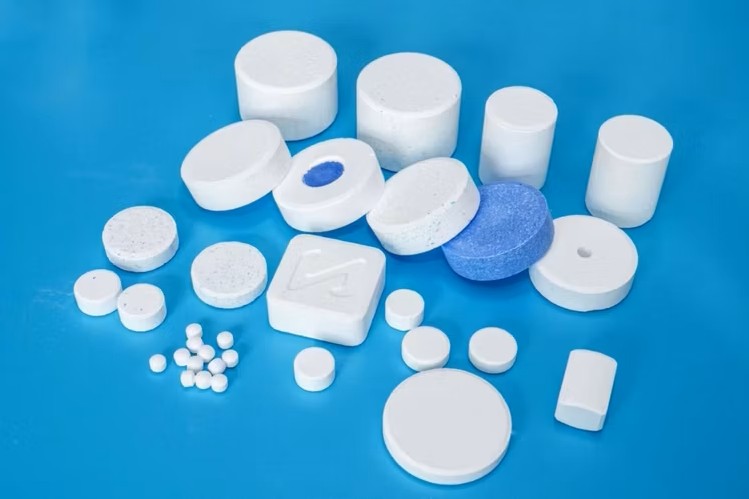
- Reduced Handling Risks: No more dangerous gas cylinders or corrosive liquids—SDIC comes in easy-to-handle tablets or granules.
- Cost Efficiency: The extended release mechanism means less frequent dosing, reducing both chemical consumption and labor costs.
I recently helped a large hotel chain transition to SDIC, and within three months, they reduced their chemical costs by 32% while seeing a 40% decrease in guest complaints about water quality.
How SDIC Works: The Science Behind Effective Disinfection
Understanding the science makes it easier to appreciate why SDIC is so effective. When SDIC dissolves in water, it releases active chlorine in a controlled manner through a process called hydrolysis. This creates hypochlorous acid (HOCl), the primary disinfectant that destroys bacteria, viruses, and algae.
What’s truly remarkable about SDIC is its performance across a wide pH range (6.5-8.5), which covers virtually all typical pool conditions. Unlike many other disinfectants that lose effectiveness outside a narrow pH window, SDIC maintains consistent disinfection levels without requiring constant pH adjustments. This stability alone has saved countless operators hours of daily monitoring and adjustment.
Practical Benefits That Make a Real Difference
The advantages of SDIC extend far beyond the technical specifications. In my work with clients across the hospitality, recreation, and commercial sectors, I’ve observed these tangible benefits:
- Enhanced Guest Experience: Elimination of strong chlorine odors and reduced eye irritation lead to higher satisfaction scores.
- Operational Efficiency: Fewer chemical adjustments mean staff can focus on guest service rather than constant water testing.
- Environmental Responsibility: Reduced chemical usage and waste align with growing sustainability goals.
- Predictable Maintenance: Consistent disinfection levels allow for better planning and resource allocation.
A municipal pool operator I worked with recently shared that after switching to SDIC, they reduced their chemical handling time by 65%—freeing up staff to address other critical maintenance needs.
Implementing SDIC: Best Practices for Success
Transitioning to SDIC is straightforward, but a few key practices ensure optimal results. Here’s what I recommend based on my experience:
- Conduct a Water Analysis: Understand your baseline water conditions before introducing SDIC.
- Start with a Trial: Begin with a partial dosage to observe how your system responds.
- Monitor Regularly: Test free chlorine levels daily during the initial transition period.
- Adjust Gradually: If switching from other disinfectants, phase in SDIC over 3-5 days.
- Store Properly: Keep SDIC in a cool, dry place away from direct sunlight.
I’ve seen operators skip the initial water analysis and struggle with unexpected results, so I always emphasize this crucial step. The right dosage depends on your pool’s specific conditions, usage patterns, and local water chemistry.
Frequently Asked Questions
Q: How does SDIC compare to standard chlorine tablets?
A: SDIC offers a more stable and consistent release of active chlorine, with less tendency to form chloramines that cause odor and irritation. It’s also safer to handle and store than many traditional chlorine products.
Q: Is SDIC suitable for pools with sensitive swimmers, including children?
A: Absolutely. SDIC is known for its low irritation properties compared to other chlorine-based disinfectants, making it ideal for facilities serving children and individuals with sensitive skin.
Q: How long does SDIC remain effective in pool water?
A: SDIC provides sustained disinfection for 24-48 hours, depending on pool usage, temperature, and water chemistry. This extended period reduces the need for frequent dosing.
Q: Can SDIC be used in saltwater pools?
A: Yes, SDIC works effectively in both freshwater and saltwater pools, providing reliable disinfection without interfering with the saltwater system.
Q: What’s the proper storage method for SDIC?
A: Store SDIC in a cool, dry place away from direct sunlight and incompatible materials. Properly stored, SDIC maintains its effectiveness for up to 18 months.
Q: How does SDIC affect pool equipment?
A: SDIC has minimal impact on pool equipment compared to other disinfectants, reducing maintenance costs for pumps, filters, and liners.
Conclusion: The Future of Pool Water Quality
Maintaining pristine swimming pool water doesn’t have to be a constant struggle. SDIC provides a scientifically backed, practical solution that addresses the core challenges of pool disinfection while delivering tangible operational benefits.
As a professional who’s witnessed the evolution of pool water treatment firsthand, I can confidently say SDIC represents a significant advancement in the field. It’s not just about keeping water clear—it’s about creating a safer, more enjoyable environment for every swimmer while reducing operational burdens.
If you’re ready to transform your pool water quality management, I encourage you to explore the SDIC solution with ENVO CHEMICAL. As a global leader in water treatment chemicals with a presence in over 200 countries, ENVO CHEMICAL offers high-quality SDIC products backed by expert technical support. Their team of specialists can help you implement the perfect solution for your specific facility needs, ensuring consistent water quality and operational efficiency.
Don’t let water quality challenges hold your business back. Connect with ENVO CHEMICAL today to discover how SDIC can revolutionize your pool maintenance approach and elevate the guest experience at your facility. Visit their website to schedule a consultation and take the first step toward unparalleled water quality management.
