
What a NaDCC Verification Checklist Must Cover for Disaster Relief
A product verification checklist for NaDCC (sodium dichloroisocyanurate) in disaster relief should confirm four things before any batch reaches the field: the correct chemical form and available chlorine level, intact packaging and labeling that supports rapid deployment, documented compliance with applicable safety and quality standards, and proven shelf stability under the storage conditions the relief operation will face. If any of these four pillars fails, the disinfectant may be ineffective, unsafe, or logistically unusable when needed most.
Disaster relief places unusual demands on water-treatment chemicals. Teams often work in temporary settings, with limited testing equipment, under time pressure, and across jurisdictions with different regulatory expectations. A verification checklist is not a generic quality audit—it is a focused decision tool that tells a procurement or logistics officer whether a specific NaDCC product is ready for emergency water disinfection right now.
Why NaDCC Needs a Separate Checklist in Emergency Contexts
NaDCC is widely used for emergency water treatment because it is a solid, relatively stable source of available chlorine. Unlike liquid sodium hypochlorite, it does not require heavy containers or refrigeration. However, those advantages only hold if the product arriving at a disaster site matches what the operation plan assumes.
Common mismatches include confusing the dihydrate form (approximately 55–56% available chlorine) with anhydrous material (approximately 60–62% available chlorine), receiving tablets or granules when the field protocol calls for a different format, or encountering packaging that has degraded during transport. A verification checklist catches these issues before distribution, not after.
Core Verification Items for NaDCC in Disaster Relief
1. Chemical Identity and Available Chlorine Content
The first line of any checklist must confirm that the material is sodium dichloroisocyanurate and that its available chlorine content falls within the range stated on the certificate of analysis. For disaster relief, the most common forms are the dihydrate (NaDCC·2H₂O) and granular or tablet formulations derived from it.
Check the certificate of analysis for:
- Percentage of available chlorine (not total chlorine, not “purity” alone)
- Whether the result refers to anhydrous equivalent or the actual hydrated form
- The test method used (typically iodometric titration per relevant pharmacopeial or industry standard)
Do not assume that a label stating “60% available chlorine” applies to the dihydrate form—that figure usually describes the anhydrous equivalent. Misreading this leads to under-dosing or over-dosing in the field, both of which compromise water safety.
2. Physical Form, Packaging, and Labeling
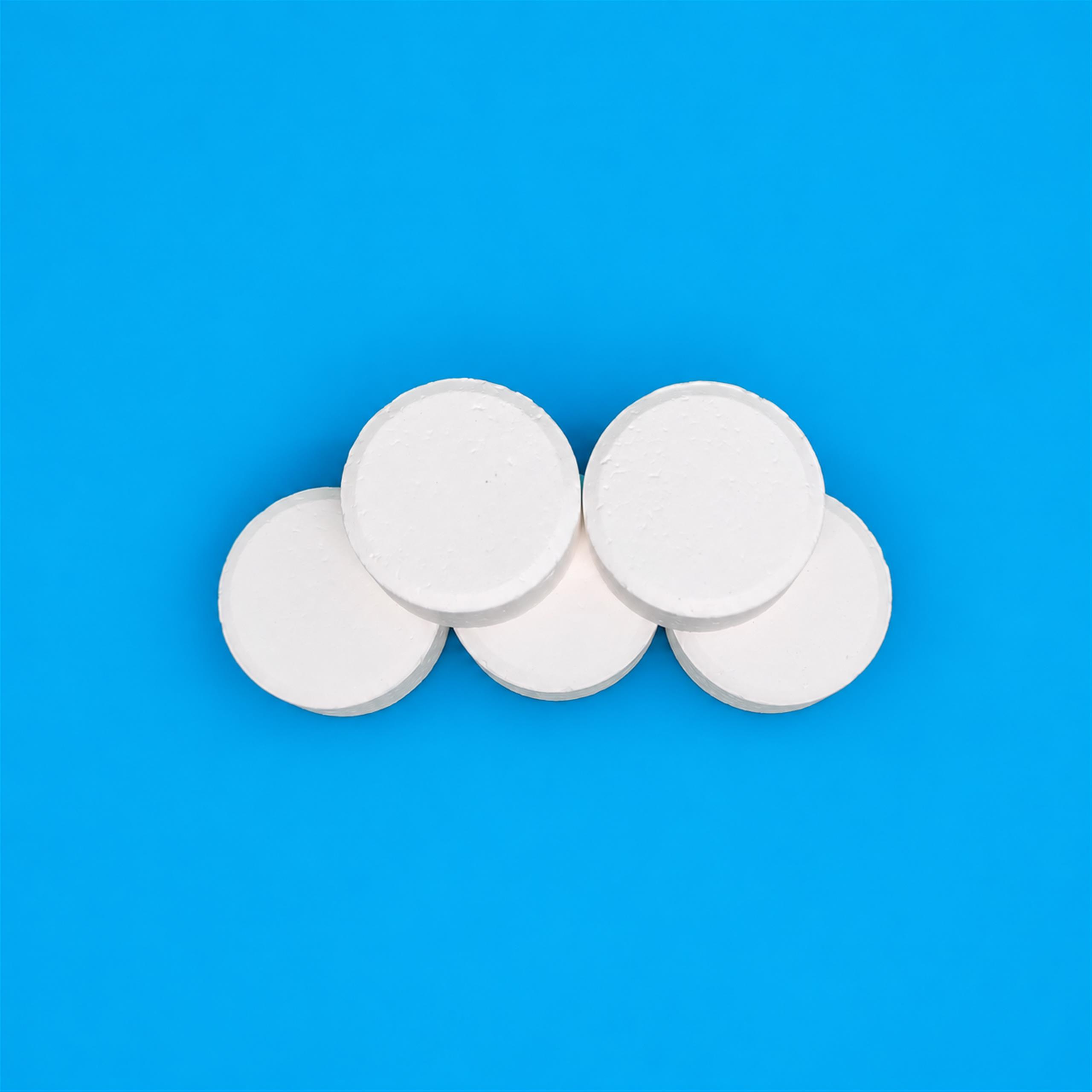
Disaster relief operations depend on speed. Verify that the product form—tablets, granules, or powder—matches the dosing equipment and standard operating procedures the relief team will use. Tablets must be intact, free from crumbling or discoloration that suggests moisture exposure. Granules should flow freely without caking.
Packaging must be:
- Moisture-barrier sealed (NaDCC is hygroscopic and degrades with moisture ingress)
- Clearly labeled with chemical name, available chlorine content, batch or lot number, expiry date, and hazard warnings
- Robust enough for rough handling and transport without punctures or tears
Labels that omit hazard pictograms or first-aid instructions create a safety risk, especially when non-specialist volunteers handle the product. Confirm that labeling complies with the Globally Harmonized System (GHS) or the regulatory framework of the destination country.
3. Regulatory and Safety Documentation
Different countries and agencies treat emergency water-treatment chemicals under different rules. A verification checklist should confirm which documentation the product carries and whether it is appropriate for the intended deployment location.
Key documents to request and review include:
- Safety Data Sheet (SDS) in the language of the deploying team
- Certificate of Analysis for the specific batch
- Any national or international approvals relevant to potable-water disinfection (where applicable)
Note that “food grade” or “pharmaceutical grade” labels on a raw chemical do not automatically make the product suitable for drinking-water treatment in every jurisdiction. Verify what the local regulatory authority accepts before relying on a product’s marketing description.
4. Shelf Life and Storage Condition Compatibility
NaDCC degrades over time, especially when exposed to heat, humidity, or sunlight. For disaster relief, products are often pre-positioned in warehouses or shipped internationally, meaning they may sit for months before use.
Verify:
- The stated shelf life on the certificate and whether it assumes specific storage conditions (typically cool, dry, sealed)
- The remaining shelf life at the time of delivery, not just the manufacture date
- Whether the product has been stored or transported under conditions that could accelerate degradation (e.g., unshaded containers in tropical climates)
If the remaining shelf life is short relative to the deployment timeline, plan for accelerated use or replacement. Degraded NaDCC delivers less available chlorine than expected, which directly reduces disinfection efficacy.
How to Use the Checklist Without Overcomplicating It
A disaster-relief verification checklist should be short enough to complete quickly. The four categories above—chemical identity, physical form and packaging, documentation, and shelf life—form a practical framework. Each category needs only the critical yes-or-no checks that determine whether the product is deployable.
Avoid adding items that belong in a routine quality-management audit, such as detailed manufacturing-process descriptions or unrelated environmental certifications, unless they directly affect the product’s suitability for emergency water disinfection. The goal is field readiness, not a full supplier qualification.
If the checklist reveals a gap—for example, missing SDS translations or ambiguous chlorine content—flag it immediately. Do not ship or distribute the product until the gap is resolved or a documented risk acceptance is in place with the relevant authority.
Common Pitfalls When Verifying NaDCC for Emergencies
Two mistakes recur frequently. First, teams accept a certificate of analysis that reports available chlorine on an anhydrous basis but apply the number as if it were for the dihydrate, resulting in a roughly 10% dosing error. Second, teams treat all NaDCC products as interchangeable regardless of tablet size or dissolution rate, then discover that their field dosing equipment cannot handle the actual form received.
Both errors are preventable with a checklist that explicitly asks for the basis of the chlorine figure and confirms physical compatibility with field equipment.
Also remember that NaDCC is an oxidizing disinfectant, not a cleaning agent, water softener, or filtration medium. It should never be mixed with acids, ammonia-based cleaners, or other incompatible chemicals. The SDS must state these incompatibilities clearly, and the checklist should confirm that this warning is present and understood by handlers.
Putting the Checklist Into Practice
Build the checklist as a simple table or form that procurement, logistics, and technical staff can complete together. Assign one person to own each of the four verification categories. Require sign-off before any product moves from storage to the disaster zone.
If you are sourcing NaDCC for a specific relief operation and need to confirm which verification parameters apply to the product and destination you are working with, contact ENVO CHEMICAL with your intended use case, deployment country, and any regulatory requirements you must meet—we can help you align the checklist to your exact needs.
