
NSF Certified Calcium Hypochlorite in Europe: B2B Sourcing Guide
Navigating the chemical supply chain in 2026 requires more than just a competitive price list. When you are procuring Calcium Hypochlorite for water treatment or sanitation purposes within the European market, the compliance landscape is intricate. As a procurement specialist who has managed hazardous material sourcing for over fifteen years, I often see companies stumble over the nuance between mandatory local regulations and voluntary international certifications. Specifically, the demand for NSF Certified Calcium Hypochlorite in Europe has risen, even though NSF is traditionally a North American standard. Understanding why this matters and how to source it correctly is critical for your operational continuity.
Why NSF Matters in a REACH-Dominated Market
The first question I usually get from European procurement managers is straightforward: “Why do we need NSF certification when we have REACH?” It is a valid point. The European Chemicals Agency (ECHA) enforces strict REACH compliance, which is non-negotiable for importing chemicals into the EU. However, REACH focuses heavily on environmental safety and human health risks regarding exposure limits. NSF certification, particularly NSF/ANSI/CAN 60, dives deeper into drinking water treatment chemicals.
In my experience, multinational corporations operating in Europe often maintain global quality standards that supersede local minimums. If your organization supplies water treatment solutions to food processing plants or public utilities that also operate in North America, they may require NSF certification to streamline their global vendor approval process. Furthermore, NSF certification serves as an additional layer of trust regarding impurity levels. It verifies that the product does not introduce harmful contaminants into the water supply at specific dosages. For B2B buyers, this isn’t just about compliance; it is about risk mitigation and brand reputation.
Critical Sourcing Criteria for 2026
Sourcing Calcium Hypochlorite is not a commodity game where the lowest bid wins. The stability of Cal-Hypo is notoriously sensitive. During the warmer European summers, degradation rates can spike if logistics are not managed correctly. When evaluating suppliers for NSF Certified products, you need to look beyond the certificate itself.
Documentation & Compliance Verification
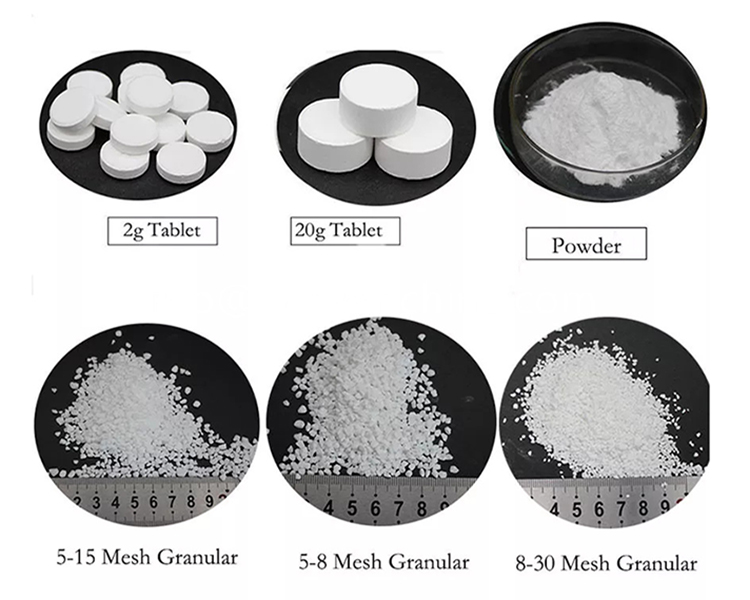
Do not accept a scanned PDF at face value. In the current market, verification is key. You should request the original NSF listing number and cross-reference it directly with the NSF public database. A legitimate supplier will have no hesitation providing this. Additionally, ensure that the NSF certification covers the specific grade you are purchasing. Sometimes, a manufacturer has NSF certification for their tablet form but not for their granular form, or vice versa.
Simultaneously, your supplier must provide full REACH registration documentation. In 2026, the scrutiny on SVHC (Substances of Very High Concern) is tighter than ever. Your supplier should be able to furnish a recent Safety Data Sheet (SDS) that aligns with both NSF standards and the latest ECHA updates. If there is a discrepancy between the SDS and the NSF certificate regarding composition, halt the procurement process immediately.
Stability & Logistics Management
Calcium Hypochlorite is an oxidizer, and its transport within Europe is governed by ADR regulations. However, storage conditions play a massive role in maintaining the available chlorine percentage. I advise clients to ask potential suppliers about their warehouse climate controls. Are they storing the product in cool, dry environments away from direct sunlight?
For long-term contracts, consider requesting a guarantee on the available chlorine content upon arrival, not just upon departure. A reliable partner will understand that degradation during transit is a shared risk. If a supplier promises 70% available chlorine but cannot guarantee it remains above 68% after a three-week sea voyage to Rotterdam, you are already facing a loss in efficiency.
Vetting Your Supply Partner
The chemical industry is relationship-driven. You want a partner who acts as a consultant, not just a vendor. During your initial inquiries, ask about their production capacity and lead times. The global supply chain has stabilized since the early 2020s, but unexpected disruptions still occur. A supplier with multiple production lines or diversified shipping routes offers better security.
Ask for references from other European clients. A supplier with a track record of delivering NSF Certified products to Germany, France, or the Netherlands will be familiar with the specific customs clearance procedures required for dual-certified chemicals. This experience saves time and prevents costly delays at the port.
The Bottom Line
Procuring NSF Certified Calcium Hypochlorite in Europe is a strategic decision that balances regulatory compliance with operational excellence. It requires a supplier who understands both the rigidity of REACH and the specific quality benchmarks of NSF. Do not compromise on documentation, and prioritize logistical stability over marginal cost savings. The right partner ensures that your water treatment processes remain efficient, compliant, and safe.
If you are looking for a supplier who understands these complexities and can provide verified, high-stability Calcium Hypochlorite tailored to European standards, we are ready to assist. Reach out to discuss your specific requirements and let us handle the compliance heavy lifting.
Author: Marcus Thorne
