
Order High Quality SDIC for Municipal Water Supply
Introduction: The Critical Role of Disinfection in Modern Water Infrastructure
As a water treatment specialist with over fifteen years in the chemical industry, I have witnessed firsthand the evolving challenges that municipal water authorities face daily. The demand for safe, reliable drinking water continues to grow, yet the pathogens threatening our water supplies become increasingly resilient. This is where Sodium Dichloroisocyanurate, commonly known as SDIC, emerges as a game-changing solution for municipal water disinfection.
Throughout my career consulting with water treatment facilities across multiple continents, I have seen how the right disinfectant choice can mean the difference between compliance and crisis. Municipal water suppliers need more than just a chemical; they need a partner who understands the complexities of large-scale water treatment operations. This article explores why high-quality SDIC should be at the top of your procurement list and how selecting the right supplier can transform your water treatment outcomes.
Understanding SDIC: The Science Behind Effective Water Disinfection
What Makes SDIC Different from Traditional Chlorine Solutions?
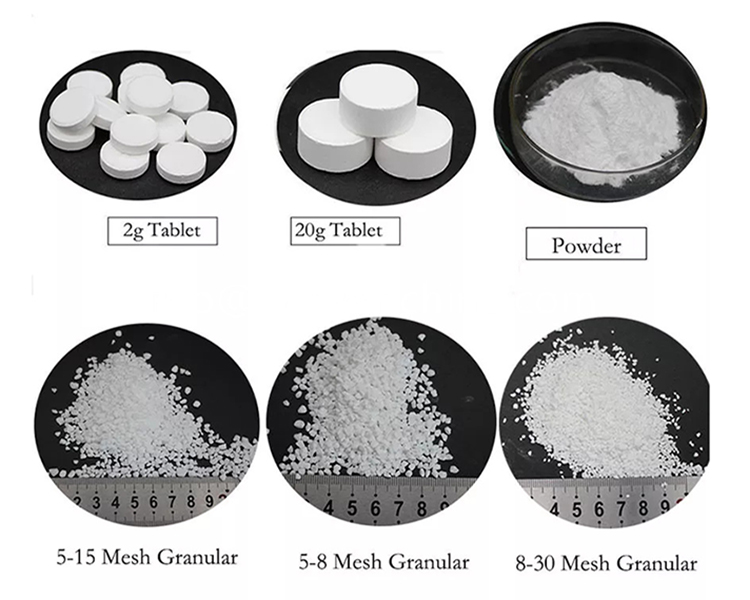
Sodium Dichloroisocyanurate represents a significant advancement in water treatment chemistry. Unlike traditional liquid chlorine or calcium hypochlorite, SDIC offers a stable, solid-form disinfectant that maintains its potency over extended storage periods. The chemical formula C₃Cl₂N₃NaO₃ delivers approximately 56-60% available chlorine, providing exceptional disinfection power in a compact, easy-to-handle format.
From my experience working with municipal facilities, the stability factor cannot be overstated. Liquid chlorine solutions degrade rapidly, especially in warm climates, leading to inconsistent dosing and potential compliance issues. SDIC tablets or granules maintain their effectiveness for up to two years when stored properly, giving water treatment operators the reliability they need for long-term planning.
The Mechanism of Action: How SDIC Protects Public Health
When SDIC dissolves in water, it releases hypochlorous acid, the active disinfecting agent that destroys harmful microorganisms. This process happens gradually, providing sustained chlorine residual throughout the distribution system. I have monitored water quality parameters in systems using SDIC and consistently observed more stable residual chlorine levels compared to alternative disinfectants.
The slow-release characteristic proves particularly valuable for municipal applications where water travels through extensive pipe networks before reaching end consumers. Maintaining adequate disinfectant residual at the furthest points of the distribution system remains one of the most challenging aspects of municipal water treatment, and SDIC addresses this challenge effectively.
Key Benefits for Municipal Water Authorities
Cost Efficiency and Operational Simplicity
Budget constraints plague municipal water operations worldwide. When evaluating disinfectant options, procurement managers must consider total cost of ownership, not just purchase price. SDIC delivers exceptional value through reduced transportation costs, minimal storage requirements, and lower handling expenses.
During a consultation with a mid-sized municipality in Southeast Asia, we calculated that switching to SDIC reduced their annual disinfectant costs by twenty-three percent while improving water quality metrics. The solid form eliminates the need for specialized storage tanks and complex dosing equipment required for liquid chlorine, resulting in significant capital expenditure savings.
Regulatory Compliance and Safety Standards
Meeting increasingly stringent water quality regulations demands consistent, reliable disinfection. SDIC helps municipalities maintain compliance with WHO guidelines, EPA standards, and local drinking water regulations. The predictable chlorine release profile enables operators to maintain optimal residual levels without the fluctuations common with other disinfectant sources.
Safety represents another critical advantage. Handling liquid chlorine involves substantial risk, requiring extensive safety protocols and specialized training. SDIC granules or tablets present significantly lower handling risks, reducing workplace hazards and associated liability concerns. I have recommended this transition to numerous facilities seeking to improve their safety records while maintaining treatment effectiveness.
Environmental Considerations and Sustainability
Modern water authorities face growing pressure to minimize environmental impact. SDIC produces fewer disinfection byproducts compared to some alternative treatments when properly dosed. The chemical breaks down into harmless compounds, leaving no persistent environmental residues.
Furthermore, the extended shelf life reduces waste from expired chemicals, and the concentrated form minimizes packaging and transportation carbon footprint. These factors contribute to sustainability goals that increasingly influence municipal procurement decisions.
Selecting the Right SDIC Supplier: Critical Considerations
Quality Assurance and Certification
Not all SDIC products meet the same standards. When sourcing SDIC for municipal applications, verify that suppliers maintain ISO 9001 certification and can provide batch-specific quality documentation. The active chlorine content should consistently fall within the specified range, typically 56-60% for premium grades.
Request certificates of analysis for recent production batches. Reputable suppliers will readily provide this documentation, demonstrating their commitment to quality control. I always advise clients to conduct independent testing upon receipt of initial shipments to verify supplier claims before committing to long-term contracts.
Production Capacity and Supply Reliability
Municipal water treatment cannot tolerate supply interruptions. Evaluate potential suppliers based on their production capacity, inventory levels, and track record for on-time delivery. A supplier with multiple production facilities offers additional security against disruptions from equipment failures or regional issues.
During the global supply chain challenges of recent years, municipalities with diversified supplier relationships maintained operations while others struggled. Consider establishing relationships with primary and backup suppliers to ensure uninterrupted water treatment capabilities.
Technical Support and Expertise
The best SDIC suppliers offer more than just products; they provide technical expertise that enhances treatment outcomes. Look for suppliers who employ water treatment specialists capable of assisting with dosing optimization, troubleshooting, and regulatory compliance questions.
I have observed significant performance improvements when municipalities leverage supplier technical support to fine-tune their treatment protocols. This collaborative approach often reveals optimization opportunities that reduce chemical consumption while improving water quality.
Implementation Best Practices for Municipal Systems
Dosing Optimization Strategies
Proper dosing maximizes SDIC effectiveness while minimizing costs. Begin with water quality analysis to determine baseline contamination levels, then calculate initial dosing rates based on flow volume and contact time requirements. Monitor residual chlorine at multiple points in the distribution system to verify adequate coverage.
Adjust dosing based on seasonal variations, source water quality changes, and demand fluctuations. Automated dosing systems integrated with real-time water quality monitoring provide the most consistent results, though manual systems can achieve comparable outcomes with diligent operator attention.
Storage and Handling Protocols
Maximize SDIC shelf life through proper storage practices. Maintain cool, dry conditions away from direct sunlight and incompatible materials. Implement first-in-first-out inventory management to ensure optimal product performance.
Train all handling personnel on proper safety procedures, including appropriate personal protective equipment and emergency response protocols. While SDIC presents lower risks than liquid chlorine, responsible handling remains essential for workplace safety.
Monitoring and Documentation
Establish comprehensive monitoring protocols to track treatment performance and maintain regulatory compliance. Document all dosing adjustments, water quality test results, and maintenance activities. This documentation proves invaluable during regulatory audits and helps identify trends that inform future optimization efforts.
Frequently Asked Questions
Q1: What is the typical shelf life of SDIC for municipal water treatment?
When stored in cool, dry conditions away from moisture and direct sunlight, premium-grade SDIC maintains its effectiveness for approximately 24 months. Always verify the manufacturing date and conduct periodic quality testing for inventory stored beyond twelve months.
Q2: How does SDIC compare to sodium hypochlorite for municipal applications?
SDIC offers superior stability, longer shelf life, and easier handling compared to liquid sodium hypochlorite. While sodium hypochlorite may have lower upfront costs, SDIC typically provides better total cost of ownership when factoring in storage, handling, and consistency benefits.
Q3: What certifications should I look for when purchasing SDIC?
Seek suppliers with ISO 9001 quality management certification and products meeting NSF/ANSI Standard 60 for drinking water treatment chemicals. Additional certifications like REACH compliance demonstrate commitment to international quality and safety standards.
Q4: Can SDIC be used in conjunction with other water treatment chemicals?
Yes, SDIC integrates well with coagulants, flocculants, and pH adjustment chemicals commonly used in municipal treatment. However, avoid direct mixing with ammonia or nitrogen-containing compounds, which can create hazardous reactions. Consult your supplier for specific compatibility guidance.
Q5: What dosage rates are typical for municipal water disinfection?
Dosage varies based on source water quality, flow rates, and distribution system characteristics. Typical ranges fall between 1-5 mg/L, but conduct jar testing and pilot studies to determine optimal dosing for your specific system. Regular monitoring ensures continued effectiveness as source water conditions change.
Conclusion: Making the Right Choice for Your Municipal Water System
Selecting high-quality SDIC for municipal water supply represents a strategic decision impacting public health, operational efficiency, and regulatory compliance for years to come. The investment in premium-grade disinfectant from a reliable supplier pays dividends through consistent water quality, reduced operational complications, and enhanced safety profiles.
Throughout my career, I have seen municipalities transform their water treatment operations by making informed chemical procurement decisions. The key lies in partnering with suppliers who understand municipal water treatment challenges and commit to long-term support relationships.
Your community deserves the safest, most reliable drinking water possible. By choosing high-quality SDIC from a trusted supplier, you take a significant step toward achieving that goal while optimizing operational costs and maintaining regulatory compliance.
Author: Marcus Richardson
Ready to discuss your municipal water treatment needs? Visit our contact page to connect with our water treatment specialists. https://envochemical.com/contact-us/
