
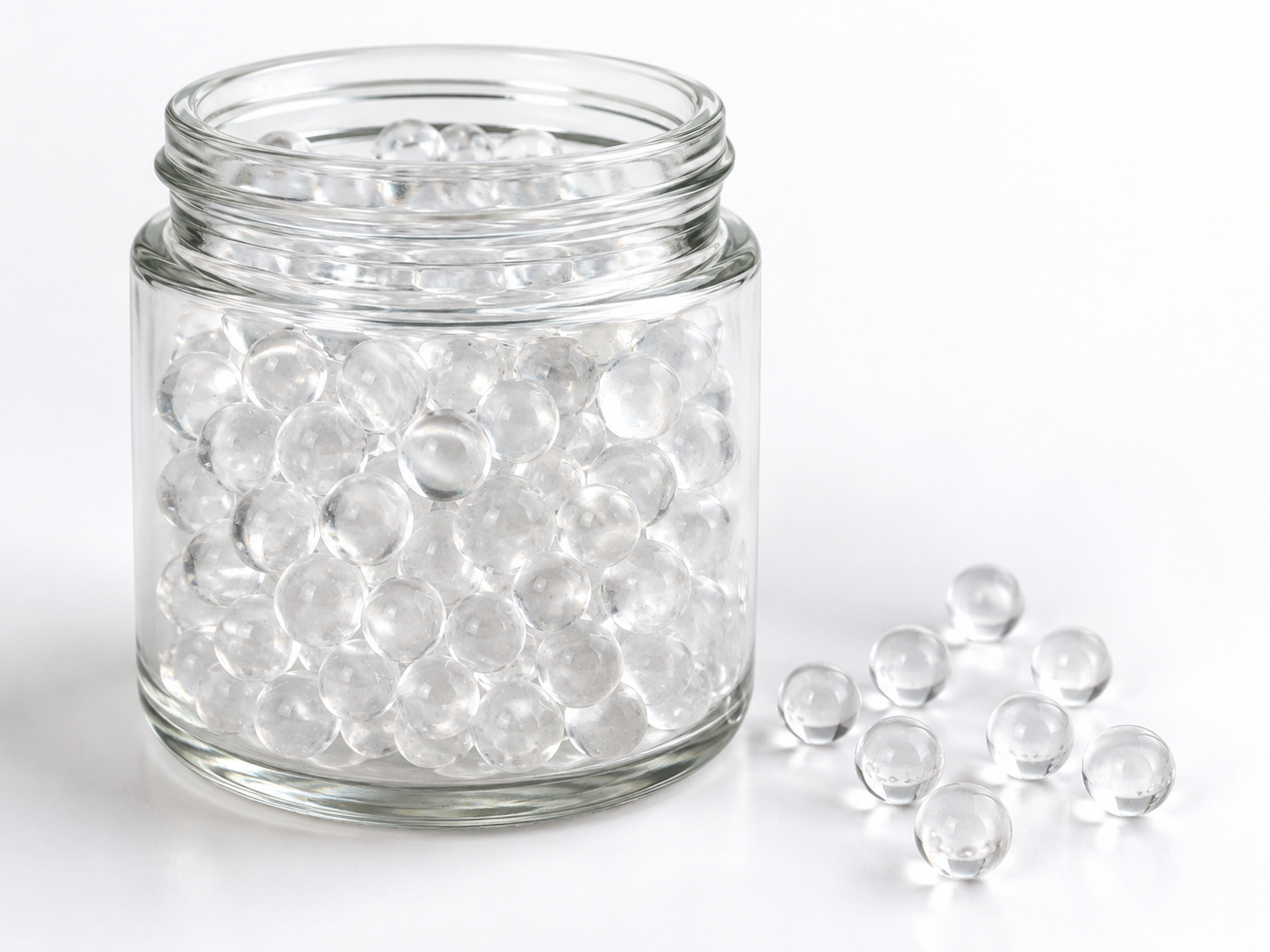
What Actually Moves Polyphosphate Crystal Prices — And What Your Supplier Should Disclose
When a polyphosphate crystal supplier revises pricing, the change rarely comes from a single factor. Buyers should expect suppliers to explain at least four cost drivers: raw phosphate feedstock cost, energy consumed during melt-polymerisation, logistics and packaging, and any formulation adjustments tied to performance specifications. If a quote shift arrives without this context, it is worth asking which of these levers moved — and by how much — before accepting or renegotiating.
This matters because polyphosphate products (including siliphos-type scale-inhibition crystals used in water treatment) are not commodity chemicals with transparent spot prices. Their cost structure blends commodity inputs with process-specific expenses. Understanding the breakdown lets procurement teams judge whether a revision is justified, temporary, or a signal to re-evaluate supply sources.
The Four Cost Drivers a Supplier Should Be Ready to Explain
1. Raw Phosphate Feedstock Cost
Polyphosphate crystals begin with phosphate rock or processed phosphoric acid. The price of that feedstock fluctuates with mining output, trade policy, and demand from the fertiliser industry — which consumes the vast majority of global phosphate supply. A supplier that cannot or will not reference feedstock cost movement is withholding the most significant input to the final price.
What to ask: “Has the cost of phosphate rock or phosphoric acid changed in your sourcing region, and does that account for the quoted revision?” A credible answer will tie the revision to a recognisable market index or a documented contract adjustment, not simply state that “costs went up.”
2. Energy and Process Costs in Melt-Polymerisation
Producing polyphosphate crystals requires heating phosphate sources to high temperatures to drive condensation polymerisation, then cooling and granulating or forming the product. Energy prices — natural gas, electricity, or both — directly affect per-tonne production cost. Facilities in regions with volatile energy markets may pass those swings on faster than those in stable-energy zones.
What to ask: “What share of your production cost is energy, and has your utility pricing changed since the last quote?” Some suppliers operate cogeneration or long-term energy contracts that buffer short-term spikes. That detail helps you judge whether a price hike reflects a real cost increase or a pricing strategy.
3. Logistics, Packaging, and Regulatory Compliance
Polyphosphate crystals are hygroscopic — they absorb moisture — so packaging must provide a reliable moisture barrier. Bulk bags, lined drums, or sealed pails all add cost. Freight rates, port congestion, and inland transport charges vary by corridor and season. Additionally, if the product is marketed for potable-water contact, compliance with drinking-water standards in the destination market may require specific testing, documentation, or certification maintenance, all of which carry cost.
Important distinction: a product described as food-grade or meeting certain pharmacopeial standards does not automatically mean it is approved for drinking water in every jurisdiction. Suitability must be confirmed against the exact regulatory framework of the destination country. Suppliers should clarify which standards their product has been tested against and which ones still need verification for your market.
4. Formulation or Specification Changes
Sometimes a price revision follows a deliberate change in the product itself — a different chain length distribution, a blended formulation with corrosion-inhibition additives, or a tighter particle-size specification. These changes alter performance and therefore value, but they also alter cost. If your supplier introduces a new grade or adjusts the siliphos crystal composition, the price should reflect that engineering decision, not be presented as a generic market increase.
What to ask: “Has the product specification changed since my last purchase, and is the new price aligned with the revised formulation?” This question separates genuine product improvement from opaque price inflation.
How to Evaluate Whether a Revision Is Reasonable
No single formula tells you whether a polyphosphate price change is fair. However, a practical checklist helps you move from frustration to informed negotiation:
- Request a cost-structure summary. Even a high-level split (raw material, energy, logistics, other) gives you a framework.
- Check the timing. Does the revision coincide with known feedstock or energy price movements? A lag of several months may still be legitimate; an instant spike with no market signal warrants scrutiny.
- Compare across grades, not just brands. A siliphos crystal with a longer average chain length may cost more per kilogram but deliver better inhibition at lower dosage. Unit price alone is misleading.
- Ask about volume flexibility. Suppliers often soften price revisions for committed annual volumes. If you are buying in bulk for a water-treatment system OEM or a distribution programme, this leverage exists.
- Verify the intended application. Scale inhibition is not scale removal, not softening, and not disinfection. If you need corrosion inhibition or filtration-grade media alongside polyphosphate, confirm whether the quoted product covers all functions or whether you need a separate component.
Why Transparency Matters More Than the Lowest Unit Price
Procurement professionals sometimes chase the lowest per-kilogram quote for polyphosphate crystals and later discover hidden costs: shorter service life because of inferior polymer chain length, inadequate moisture protection leading to caking in transit, or a product that has not been tested for the specific water chemistry it will face. The total cost of ownership — including dosage rate, replacement interval, and system downtime — often favours a slightly higher-priced product with clear specification documentation.
A supplier willing to walk you through cost drivers is also more likely to help you optimise dosage for your source-water conditions. That partnership has more long-term value than a one-off discount that disappears at the next revision.
Frequently Asked Questions About Polyphosphate Pricing
Does polyphosphate crystal pricing follow a published commodity index?
Not directly. Unlike some base chemicals, polyphosphate products do not have a single widely quoted spot index. Prices are typically set by individual manufacturers based on their own input costs and margin targets. Market intelligence on phosphate rock and phosphoric acid can serve as a proxy, but the final crystal price includes processing and logistics that vary by producer.
Should I expect seasonal price changes?
Yes, particularly if your supplier sources phosphate feedstock from regions with seasonal mining or shipping disruptions. Energy costs also fluctuate with heating-demand seasons in some markets. Ask your supplier whether they apply seasonal adjustments and what triggers them.
If I switch from one siliphos crystal supplier to another, will the price difference reflect quality?
Not necessarily. Price differences may stem from feedstock sourcing, energy costs, packaging choices, or simply margin policy. Always compare specifications — chain-length distribution, solubility, phosphate content, heavy-metal limits — side by side before concluding that a lower price means lower quality, or vice versa.
Can a supplier guarantee a fixed price for polyphosphate crystals over 12 months?
Some can, through contract pricing with defined escalation clauses tied to specific input-cost benchmarks. Others will not commit beyond a quarter. If price stability is critical for your project, negotiate the mechanism for adjustment up front rather than accepting a vague promise.
How do I know if a polyphosphate product is suitable for my specific water system?
You need to match the product’s inhibition mechanism and dosage range to your water’s hardness, pH, temperature, and flow conditions. A supplier should provide application guidance or test data for comparable water profiles. If no data exists for your conditions, that is a gap to close before committing to volume purchases.
Next Step: Share Your Conditions, Get a Targeted Response
If you are evaluating polyphosphate crystal pricing — whether for a new installation, a supply-contract renewal, or a switch to a different siliphos-type product — the most useful conversation starts with your specific parameters. Provide your source-water profile (hardness, pH, temperature range), the type of equipment or system the media will feed, the required specification or standard, your estimated annual volume, and the destination market. With those details, ENVO CHEMICAL can address the cost drivers that matter to your application rather than offering a generic quotation.
