
Does a Polyphosphate Purchase Order Include Packaging Weight?
In most professional polyphosphate purchase orders, the stated quantity refers to the net weight of the active polyphosphate material, not the gross weight that includes drums, bags, pallets, or protective packaging. However, this is not universal — some suppliers quote gross weight, and the distinction must be confirmed in writing before any order is finalized. Failing to clarify this point can lead to receiving less product than expected, miscalculating dosing rates, or disputing invoices.
If you are sourcing siliphos crystal or similar polyphosphate-based scale-inhibition media for water-treatment systems, understanding how weight is defined on your purchase order is a basic but critical step. It affects your material balance, your cost per kilogram of active ingredient, and your ability to plan inventory accurately.
Why Packaging Weight Confusion Happens With Polyphosphate Products
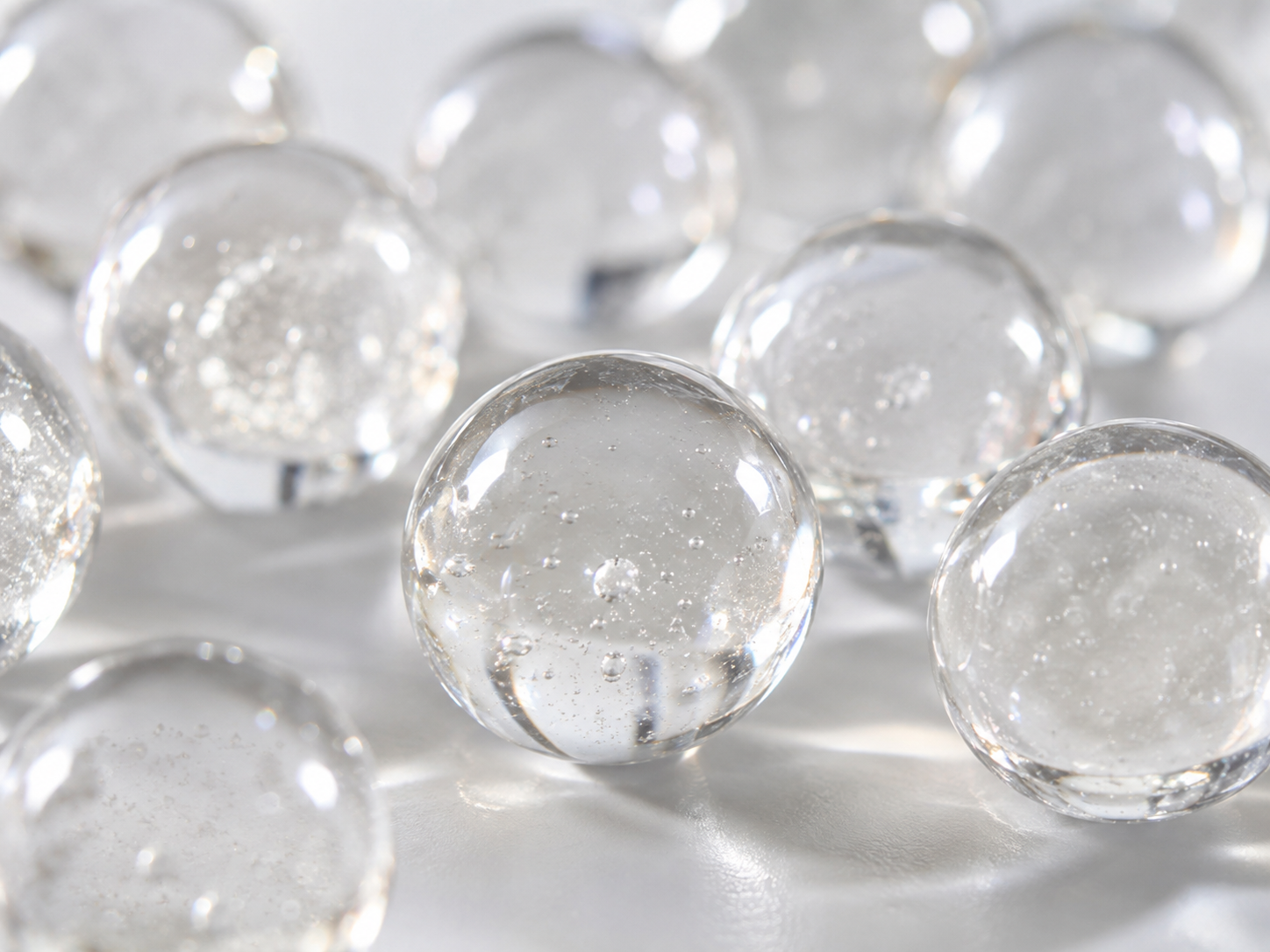
Polyphosphate for water treatment is typically supplied in one of several forms: small crystals (often marketed as siliphos crystal or phosphate crystal), fused glass beads, or pre-loaded cartridges. Each format carries its own packaging — plastic buckets, fiber drums, woven polypropylene bags, or cardboard cartons. The weight of that packaging can range from a few hundred grams for a small bag to several kilograms for a heavy-duty drum.
The confusion arises because:
- Some suppliers list product weight as “gross” (product plus container) on quotation sheets without labeling it clearly.
- Industry customs vary by region — in some markets, it is standard practice to quote net weight; in others, gross weight is the norm unless the buyer specifies otherwise.
- Polyphosphate crystals are hygroscopic, meaning they absorb moisture from the air. This can add variable weight that is neither product nor packaging, further complicating the picture.
- When products are sold in pre-measured cartridges or dosing units, the total unit weight may include housing, end caps, and sealing materials that are not part of the polyphosphate dose.
The practical consequence is straightforward: if you order 25 kg of polyphosphate crystal and the supplier ships 25 kg gross (including a 2 kg drum), you have actually received only 23 kg of usable material. For large-scale procurement, that gap multiplies quickly.
What You Should Specify in Every Polyphosphate Purchase Order
To eliminate ambiguity, your purchase order or procurement specification should state at least the following:
- Net weight of polyphosphate active ingredient — the weight of the crystal or bead material itself, excluding all packaging.
- Packaging type and tare weight — identify whether the product arrives in drums, bags, or cartons, and request the empty container weight so you can verify upon receipt.
- Moisture content or loss on drying — polyphosphate crystals can carry surface moisture; specifying a maximum moisture level helps you distinguish between real product weight and absorbed water.
- Basis of quotation — explicitly state whether the unit price is per kilogram net or per kilogram gross. This prevents cost miscalculations.
- Verification method — indicate whether you will weigh shipments at your facility, at the port of loading, or rely on the supplier’s certificate of analysis and packing list.
Including these items does not require complex contract language. A single line in your purchase order such as “25 kg net polyphosphate crystal, ex-drum, moisture not to exceed X%” is sufficient to set expectations.
Net vs. Gross Weight: What This Means for Dosing and Inventory
The distinction between net and gross weight is not merely an accounting detail — it directly affects how you calculate polyphosphate dosage for your water-treatment application.
Polyphosphate functions as a scale inhibitor, not a water softener or a filter medium. It works by sequestering calcium and other hardness ions in solution, preventing them from precipitating as scale on pipes, heat exchangers, and appliances. The dosage is typically expressed in parts per million (ppm) of polyphosphate relative to the water flow. If you base your dosing calculation on gross weight instead of net weight, you will under-dose the system, reducing scale-inhibition performance.
| Factor | If Weight Is Net | If Weight Is Gross (Unclarified) |
|---|---|---|
| Material received vs. ordered | Matches stated quantity | Less active product than expected |
| Dosing accuracy | Calculated on true active mass | Risk of under-dosing the system |
| Cost per kg of active ingredient | Transparent and comparable | Inflated if packaging weight is counted as product |
| Inventory planning | Reliable stock projections | Cumulative shortfalls over multiple orders |
For procurement professionals managing repeat orders, even a 5% discrepancy in net versus gross interpretation can mean a meaningful shortfall over the course of a year.
How Different Polyphosphate Formats Affect the Weight Question
Not all polyphosphate products arrive in the same packaging, and the format you choose changes how the weight conversation plays out.
Loose Crystal or Bead Form
Bulk polyphosphate crystal (siliphos crystal or similar fused phosphate media) is usually sold in drums or heavy bags. Tare weight for a standard 25 kg drum can be 1.5 to 3 kg depending on the material and construction. Always request the tare weight on the supplier’s packing list. If the supplier cannot or will not provide it, you have a signal that their documentation may not be reliable for precise procurement.
Pre-Loaded Cartridges or Dosing Units
When polyphosphate is supplied inside a cartridge — for example, a polyphosphate feeder cartridge for residential or commercial use — the total weight includes the housing, sealing gaskets, and any end fittings. In this case, the active polyphosphate content may be only 60 to 80 percent of the total cartridge weight. Purchase orders for cartridge-format products should specify the weight of the polyphosphate fill, not the assembled unit weight, unless you are buying the complete dosing unit as a single item.
Small Retail or Sample Quantities
For trial orders or small-scale purchases, packaging weight can represent a disproportionately large share of the total. A 500 g bag of polyphosphate crystal in a 200 g pouch means you are paying for — and receiving — significantly less product than the gross figure suggests. This is where the net-weight clarification matters most.
What to Check Before Accepting a Polyphosphate Shipment
When your polyphosphate order arrives, a few practical checks will confirm whether you received what you paid for:
- Weigh the full shipment and compare it to the gross weight on the packing list.
- Weigh a representative sample of the empty packaging (if multiple containers, weigh several and average).
- Subtract the tare weight from the gross weight to confirm the net quantity matches your order.
- If the product is in cartridge format, check the manufacturer’s stated fill weight and compare.
- Verify that any certificate of analysis or mill certificate references the same weight basis (net or gross) as your purchase order.
These steps take minutes but protect you from receiving short shipments or paying for packaging you did not intend to purchase.
Common Questions About Polyphosphate Purchase Order Weight
Is polyphosphate sold by net or gross weight in most international transactions?
The majority of B2B polyphosphate transactions for water-treatment applications use net weight as the basis. However, this is a convention, not a legal requirement, and exceptions exist. Always confirm on a per-order basis.
Can I negotiate for net-weight pricing on a polyphosphate order?
Yes. Stating net weight as your procurement requirement is standard practice and should not be controversial. Suppliers who routinely quote gross weight without clarification may need to adjust their documentation, but they will generally accommodate a clear specification.
Does moisture in polyphosphate crystal count as packaging weight?
No. Moisture is part of the product mass, not the packaging. However, because moisture content can vary and is not always controlled tightly, it is wise to specify a maximum moisture or loss-on-drying figure in your order. This ensures that the weight you pay for is predominantly active polyphosphate, not absorbed water.
What if the supplier’s invoice says gross weight but my order says net?
This is a discrepancy that should be resolved before payment. Contact the supplier to reconcile the two figures. If the invoice cannot be corrected, you may need to adjust your payment to reflect the actual net quantity received.
Getting the Right Specification for Your Application
Whether you are a water-treatment equipment manufacturer integrating polyphosphate dosing into a system, a contractor specifying materials for a scale-inhibition project, or a distributor stocking siliphos crystal for resale, the weight basis on your purchase order is a foundation detail. Get it right once, and every subsequent order becomes simpler to manage.
ENVO CHEMICAL supplies polyphosphate-based scale-inhibition products for water-treatment applications and can confirm the weight basis, packaging configuration, and documentation format relevant to your specific procurement needs.
If you are preparing a polyphosphate purchase order and want to clarify how weight should be defined for your application, share your intended use (residential, commercial, industrial), the format you need (loose crystal, cartridge, pre-dosed unit), your target source-water conditions, and the quantity range — and we will help you specify the order correctly.
