
When Does a Fixed Cartridge No Longer Serve Your Polyphosphate Application?
You should consider adding a refillable housing to your polyphosphate dosing system when your current fixed-cartridge setup can no longer deliver reliable, long-term scale inhibition at the flow rate and water volume you need. In practice, this tipping point usually arrives when you face one or more of the following: increasing demand that outgrows a single cartridge, rising media replacement costs, inconsistent dosing as the fixed bed depletes, or the need for finer control over phosphate concentration in the treated water.
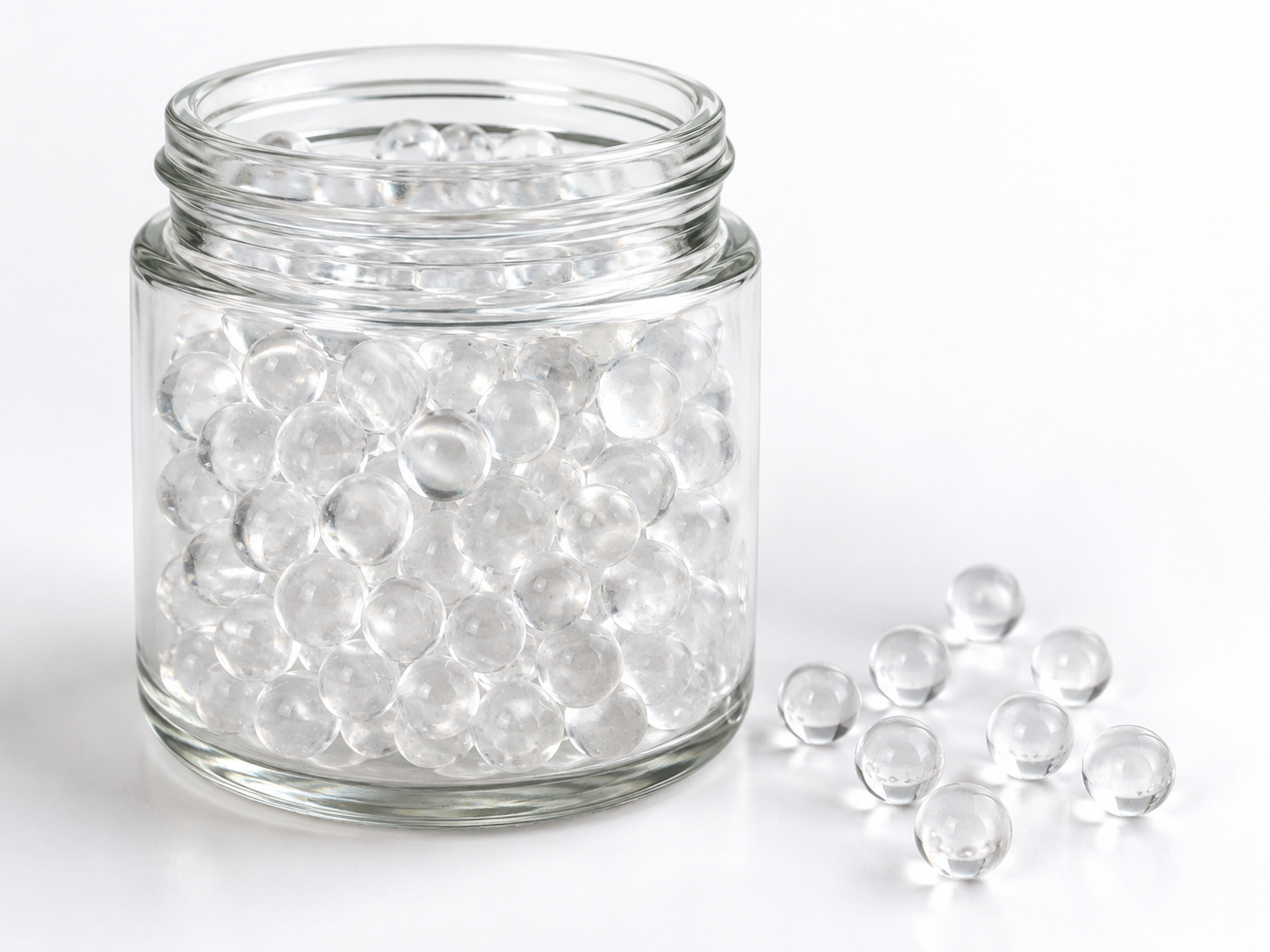
Polyphosphate crystals—such as siliphos-type media—work by slowly dissolving polyphosphate into the water stream. The dissolved phosphate sequesters hardness ions (primarily calcium and magnesium) and interferes with crystal growth on pipe walls and heating surfaces. This is scale inhibition, not scale removal or water softening. A fixed cartridge is simple and inexpensive for small, low-flow installations. But once the application crosses certain thresholds, a refillable housing becomes the more practical and economical choice.
Understanding the Two Housing Types
Fixed (Single-Use) Cartridges
A fixed cartridge holds a pre-measured amount of polyphosphate media sealed inside a disposable or replaceable canister. When the media is exhausted, the entire cartridge is discarded and a new one installed. This works well for point-of-use filters, small residential systems, or pilot installations where flow rates are low and access for maintenance is easy.
Refillable Housings
A refillable housing is a reusable vessel—typically made of polypropylene, PVDF, or stainless steel depending on the application—that accepts loose polyphosphate crystals or pre-formed blocks. The operator opens the housing, adds fresh media, and closes it again. No cartridge is discarded. The housing itself lasts for years, and only the media is replenished.
The key difference is not just convenience. A refillable design lets you adjust the media volume to match changing demand, reduces plastic waste, and usually lowers the cost per treated liter over time. It also allows you to use media grades or crystal sizes that may not be available in pre-filled cartridge formats.
Five Practical Signals That It Is Time to Upgrade
Not every system needs a refillable housing from day one. Watch for these signals that your current arrangement has reached its limit.
- Flow rate or volume has grown beyond the cartridge rating. If you originally sized a fixed cartridge for, say, a small commercial coffee machine and now the same housing feeds a larger food-service operation, the media will deplete faster than expected. Dosing drops before the scheduled change interval, and scale inhibition becomes unreliable.
- Replacement frequency and cost are becoming burdensome. Fixed cartridges carry a per-unit price that includes the housing, the media, and often a markup for convenience. When you are replacing them every few weeks in a high-demand setting, the cumulative cost typically exceeds what you would spend on a one-time housing plus periodic media top-ups.
- You need tighter control over phosphate residual. Some applications—industrial cooling loops, commercial dishwashers, or pre-treatment for reverse osmosis—require a specific range of orthophosphate or polyphosphate concentration in the output. A refillable housing lets you fine-tune the media mass and contact time more precisely than swapping between fixed cartridge sizes.
- Downtime for cartridge changes is disruptive. In continuous-use environments such as hotels, hospitals, or food-processing plants, shutting down a line to swap a cartridge is costly. A refillable housing can be topped up on a planned schedule with minimal interruption, or even on a bypass loop while the system stays online.
- You want to test different media grades without committing to large quantities. Refillable housings let you trial a different polyphosphate composition, crystal size, or blend on a small scale before scaling up. This is valuable during system design or when source-water conditions change seasonally.
How Polyphosphate Dosing Differs from Softening and Filtration
It is important to keep the function of polyphosphate media clear, because the decision to expand your system often depends on what you are actually trying to achieve.
| Function | What It Does | What Polyphosphate Does |
|---|---|---|
| Scale inhibition | Prevents new scale from forming on surfaces | Yes — sequesters hardness ions and distorts crystal formation |
| Scale removal | Dissolves or breaks down existing scale deposits | No — polyphosphate does not dissolve existing limescale |
| Water softening | Removes hardness ions from water (ion exchange) | No — hardness remains in the water but is rendered less likely to precipitate |
| Filtration | Physically removes suspended particles | No — polyphosphate media is not a mechanical filter (though a pre-filter is usually needed upstream) |
| Corrosion inhibition | Forms a protective layer on metal surfaces | Partially — phosphate can contribute to a thin protective film, but dedicated corrosion inhibitors are used when this is the primary goal |
| Disinfection | Kills or inactivates microorganisms | No — polyphosphate has no biocidal action |
If your objective is to remove existing scale, soften the water, or disinfect it, polyphosphate alone is not the answer and a refillable housing for this media would not solve the core problem. The expansion decision only makes sense when scale inhibition via polyphosphate dosing is the confirmed strategy.
Key Factors to Evaluate Before Adding a Refillable Housing
Source-Water Chemistry
The effectiveness and media consumption rate of polyphosphate depend heavily on water hardness, pH, temperature, and the presence of iron or manganese. Higher hardness and temperature generally accelerate media dissolution. Before sizing a refillable housing, confirm the actual or worst-case inlet water parameters. What you need to verify includes:
- Total hardness (as CaCO₃)
- pH range
- Maximum water temperature
- Iron and manganese concentrations (if present, as these can foul the media)
- Any existing treatment upstream (chlorination, sediment filtration, etc.)
Without this data, any housing size you choose is a guess. The correct media volume and replenishment interval can only be calculated against real water conditions.
System Flow Rate and Contact Time
Refillable housings must be matched to the flow rate of the system they serve. Too small a housing with too little media means the polyphosphate dissolves before the water exits, and dosing falls below the level needed for inhibition. Too large a housing adds unnecessary cost and may cause an excessive phosphate residual if the contact time is long and flow is slow. Work with the actual maximum flow rate, not an average, to avoid under-dosing at peak demand.
Material Compatibility of the Housing
The housing material must resist the mildly acidic conditions that can develop as polyphosphate dissolves and must not leach contaminants into the water. Common choices include food-grade polypropylene and PVDF for most potable or food-contact applications, and stainless steel (316L) for industrial or high-temperature use. Verify that the housing material is appropriate for your specific application and, if drinking water is the end use, that the exact product configuration has been tested and certified for that purpose—not assumed safe based on a generic “food-grade” label.
Regulatory and Certification Requirements
Different markets and end uses impose different rules on phosphate dosing. Some jurisdictions limit phosphate discharge into wastewater. Some drinking-water standards restrict phosphate residuals. Before expanding your system, confirm the regulatory landscape for your destination and your application. ENVO CHEMICAL can clarify which of its polyphosphate products carry the documentation needed for a given market, but the responsibility for final compliance rests with the system designer or operator.
A Simple Decision Checklist
Use this short checklist to decide whether a refillable housing is the right next step for your polyphosphate system.
- Your current fixed cartridge is being replaced more often than the manufacturer’s recommended interval.
- You need to treat a higher flow or larger volume than your existing cartridge can handle.
- The cost of recurring cartridge purchases is becoming a significant operating expense.
- You require adjustable media volume to respond to seasonal or operational changes in water demand.
- You have confirmed source-water parameters and a target phosphate residual range.
- You have identified a housing material compatible with your water chemistry and regulatory requirements.
If you answered yes to three or more of these, a refillable housing is likely the more sustainable and cost-effective path forward.
What to Ask Your Supplier When You Are Ready
When you move from evaluation to procurement, the conversation with your polyphosphate media supplier should focus on application specifics, not generic product catalogs. The most useful information to provide includes your flow rate, inlet water hardness and pH, the type of housing you want (material, size, connection type), whether you need a specific crystal size or grade, your approximate media consumption rate if known, and your destination market for any compliance documentation.
ENVO CHEMICAL supplies polyphosphate media suitable for refillable housing configurations across a range of applications. If you are ready to specify or expand your system, share your application details, source-water conditions, and target dosing parameters so that the right media grade and housing recommendation can be provided.
