
How to Tell Whether a Polyphosphate Inquiry Is a Scale Complaint or a Procurement Project
The fastest way to distinguish a scale complaint from a procurement project in a polyphosphate sales call is to ask one question early: “Are you responding to a problem you already see, or are you specifying a material for a new or existing system?” A scale complaint typically arrives with symptoms — white deposits, reduced flow, equipment downtime — and urgency. A procurement project arrives with drawings, flow rates, and tender timelines. The answers you receive change everything: the technical guidance you offer, the product form you recommend, and the documentation you prepare.
This distinction matters because polyphosphate products such as siliphos crystals serve a very specific function — sequential sequestration of hardness ions to inhibit scale formation — and misreading the caller’s intent leads to wasted time for both sides. Below is a practical framework for identifying the intent behind the call, followed by the technical context that keeps your conversation on track.
What a Scale Complaint Actually Sounds Like
Key indicators of a reactive, problem-driven inquiry
When a facility manager, maintenance technician, or plant operator calls about scale, the conversation usually opens with observable failure rather than specification language. Common signals include:
- Descriptions of visible deposits on heat-exchange surfaces, pipes, or appliance interiors.
- Reports of declining efficiency in boilers, cooling towers, ice machines, or commercial dishwashers.
- Mentions of recent water-quality changes — a new well, a municipal supply switch, or a seasonal hardness spike.
- Urgency about downtime or repair cost, not about brand preference.
The caller often does not yet know whether polyphosphate is the right response. They may have tried acid descaling (a removal method, not prevention) or installed a softeners that exchanges ions but does not address corrosion risk in the distribution loop. Your first job is to confirm whether the problem is indeed scale formation — calcium carbonate or calcium sulfate precipitation — rather than corrosion, biofilm, or particulate fouling, which require different interventions.
Why the technical distinction matters before any product mention
Polyphosphate works by threshold inhibition: it binds calcium and other hardness ions in solution at concentrations far below stoichiometric equivalence, keeping them dissolved even when temperature or pH would normally drive precipitation. This is not water softening (which removes hardness via ion exchange), not scale removal (which dissolves existing deposits with acid or chelants), and not filtration (which captures suspended solids). Calling it “a water softener” in a sales conversation confuses the buyer and can create compliance risks if the application is later assumed to meet drinking-water standards without verification.
When the inquiry is a scale complaint, your response should start with diagnostic questions — water hardness, temperature range, pH, flow velocity, material of wetted surfaces — and only then move to whether a sequestering polyphosphate such as a siliphos-type crystal product could maintain those ions in solution under the stated conditions.
What a Procurement Project Sounds Like
Signals that the caller is specifying, not troubleshooting
A procurement-driven call has a different rhythm. The speaker typically identifies as a purchasing agent, project engineer, or consultant working to a specification sheet. Indicators include:
- Reference to a tender document, bill of quantities, or equipment datasheet.
- Requests for product data sheets, certifications, or compliance statements up front.
- Questions about packaging formats, pallet quantities, or logistics rather than deposit symptoms.
- Mention of an existing system design — for example, a polyphosphate dosing unit already installed in a commercial building or industrial process loop.
In this scenario, the caller usually already understands that polyphosphate is a scale inhibitor and is now evaluating suppliers, comparing crystal grades, or confirming that a product meets a particular standard. The conversation centers on specifications: crystal size distribution, dissolution rate, phosphate content, heavy-metal limits, and whether the material is appropriate for the end use — which must be confirmed independently for each market and application.
The risk of treating a project call like a complaint call
If you respond to a procurement inquiry by launching into troubleshooting advice, you slow the process and may appear unprepared. Conversely, if you treat a genuine scale complaint as a simple order-taking exercise, you risk shipping a product that does not match the operating conditions, leading to failure and a lost account. The diagnostic discipline applies in both cases, but the sequence and depth differ.
Decision Framework: Complaint vs. Project
Use this comparison to quickly orient your response during or immediately after the initial call.
| Factor | Scale Complaint | Procurement Project |
|---|---|---|
| Primary driver | Visible or performance problem | Specification compliance or system build |
| First information needed | Water chemistry, temperature, affected equipment | Product grade, packaging, documentation, quantity |
| Typical urgency | High — downtime or repair cost | Moderate — tied to project schedule |
| Technical depth required up front | High — confirm cause before recommending | Moderate — confirm spec match before quoting |
| Risk of wrong recommendation | Shipping an ineffective dose form or grade | Missing a certification or documentation requirement |
Technical Points That Serve Both Types of Inquiry
Regardless of whether the call is reactive or planned, certain technical realities shape every polyphosphate conversation. Keeping these straight protects your credibility and the buyer’s confidence.
Polyphosphate is a threshold inhibitor, not a remover
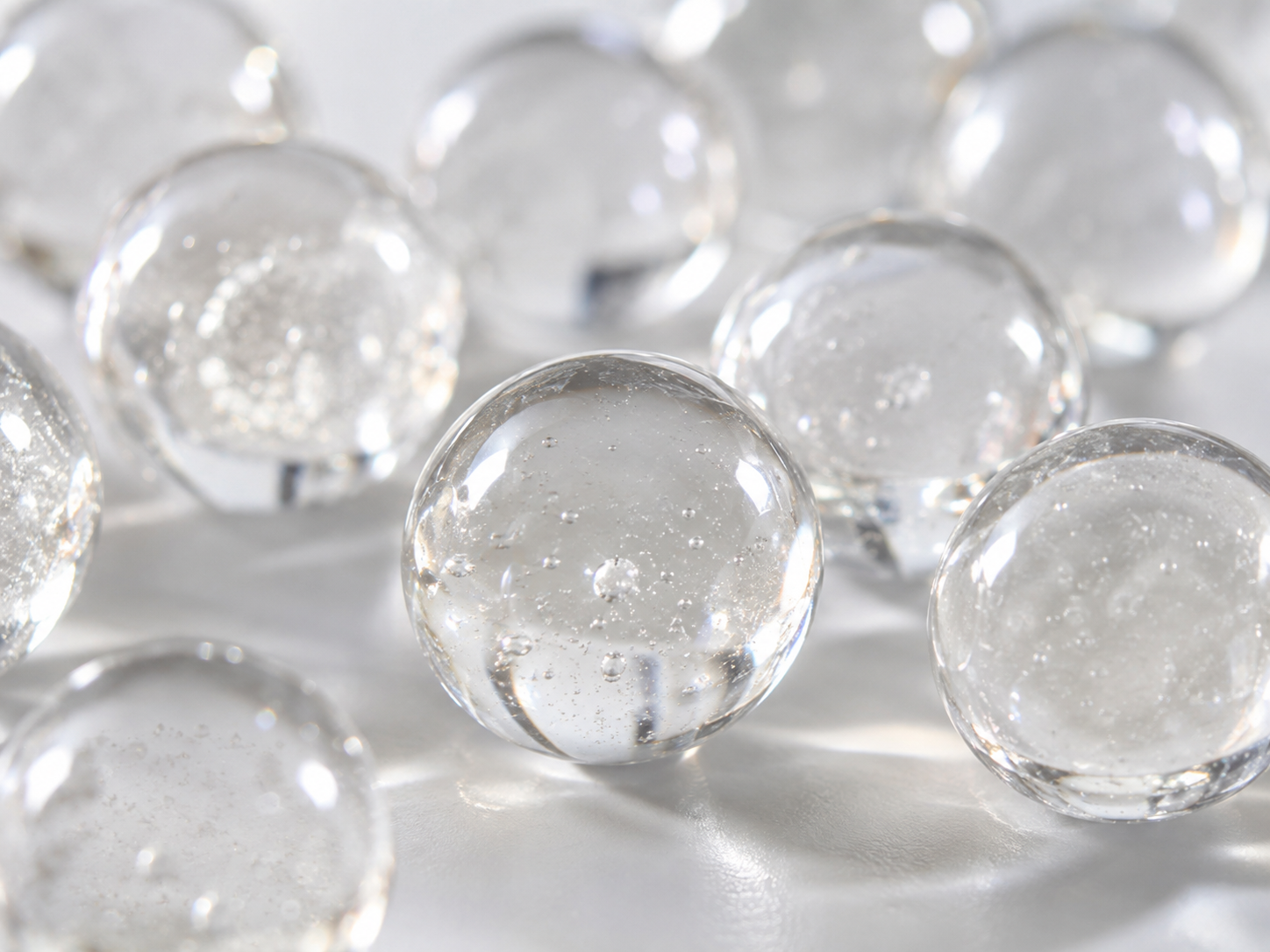
Crystal-form polyphosphate products such as siliphos-type materials dissolve slowly, releasing orthophosphate and longer-chain polyphosphate species that sequester hardness ions. They prevent new scale from forming on heated or high-pH surfaces. They do not dissolve existing carbonate or sulfate scale. If the caller’s problem is heavy existing deposit, they need a cleaning step first — acid circulation, mechanical descaling, or a chelant-based remover — before a polyphosphate maintenance program makes sense. Skipping this step is one of the most common application errors.
Corrosion inhibition is a secondary benefit, not a guarantee
Polyphosphate can form a thin protective film on ferrous and cuprous surfaces, reducing corrosion rates in some conditions. This is sometimes marketed as a dual function, but the degree of protection depends on water chemistry, dissolved oxygen, pH, and the specific polyphosphate chain length. Do not present it as a standalone corrosion inhibitor for critical infrastructure without confirming the conditions. For applications where corrosion control is the primary goal, a dedicated corrosion inhibitor program should be evaluated alongside or instead of polyphosphate dosing.
Drinking-water suitability must be verified per product and market
Some polyphosphate materials are produced to food-grade or potable-water standards, but “food grade” is a manufacturing classification, not an automatic drinking-water approval. Whether a specific siliphos crystal product is approved for potable use depends on the exact formulation, the destination country’s regulations, and the conditions of use (concentration, contact time, temperature). Always direct the buyer to confirm regulatory acceptance for their specific application rather than assuming compliance from a general description.
Handling the Transition From Diagnosis to Purchase
In a scale-complaint call, once you have enough water data to confirm that threshold inhibition is appropriate, the conversation naturally shifts to product form. Crystal products offer advantages in certain dosing setups — they dissolve gradually, reducing the risk of localized over-concentration — but they require a contact chamber or dissolution vessel. Liquid polyphosphate is easier to meter but demands careful pump calibration. Match the form to the dosing equipment the buyer already has or plans to install.
In a procurement call, the shift goes the other direction: you confirm that the specified grade, crystal size, and packaging align with what you can supply, then address any documentation gaps. In both paths, the goal is the same — a technically sound recommendation that the buyer can act on without a second call.
Five Questions to Ask on Every Polyphosphate Call
- What is the source water hardness (as CaCO₃) and the operating temperature range?
- Is the goal to prevent new scale, or to address existing deposits?
- What type of dosing or dissolution equipment is in use or planned?
- Is the end use potable water, industrial process water, or cooling/boiler water?
- Are there certification, documentation, or packaging requirements tied to a tender or regulation?
These five questions filter out most misalignment before product details are even discussed.
Ready to Move Forward?
If you are evaluating polyphosphate for a scale-control application or sourcing siliphos-type crystal products for an active project, the next step is a focused conversation. Share your source-water conditions, the equipment or system where the material will be used, the required product form (crystal or liquid), the target dosage range, your destination market, and the quantity or packaging format you need. ENVO CHEMICAL can then confirm whether the right specification exists for your conditions and what information is still required to finalize the inquiry.
