
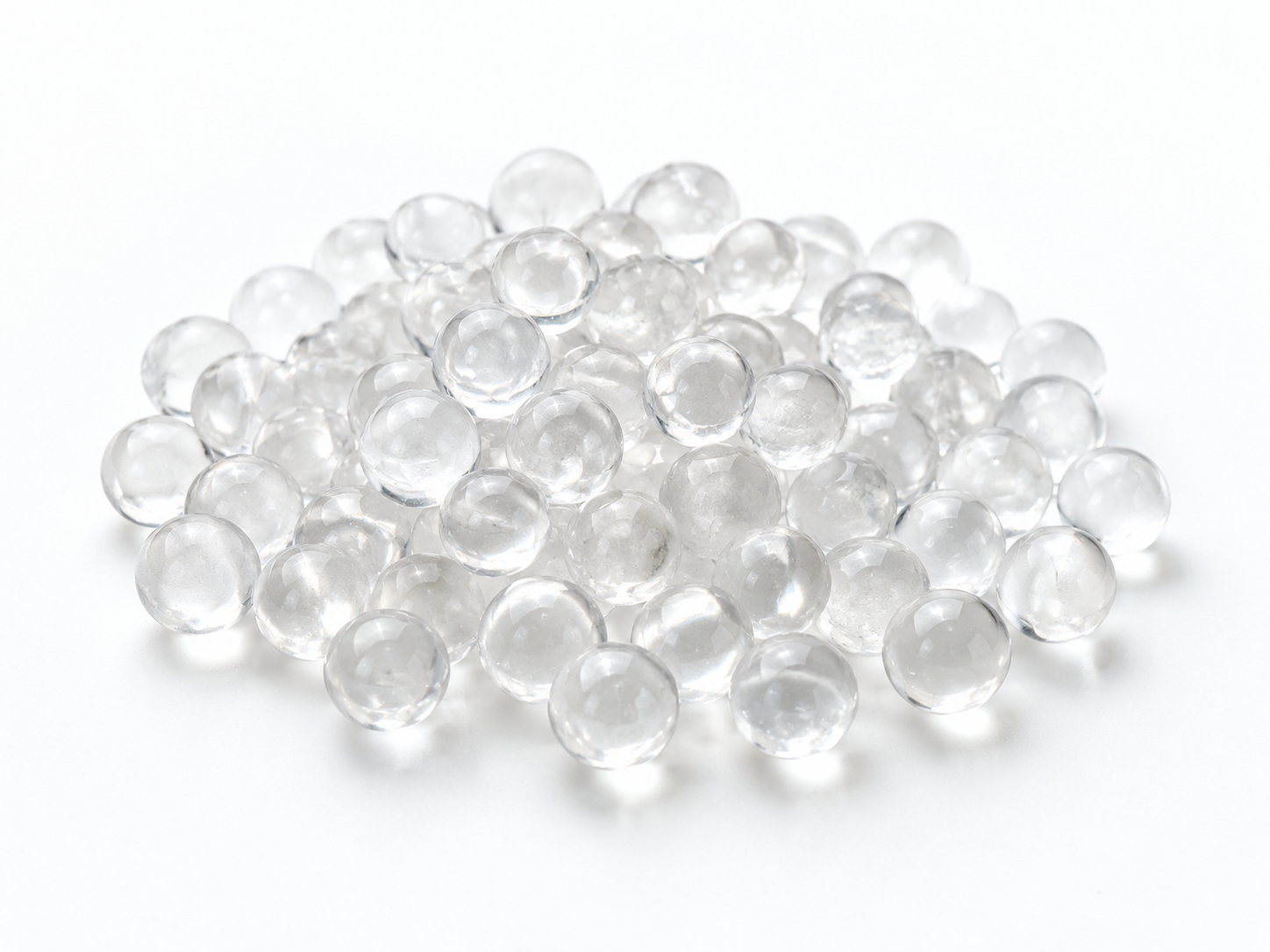
Why Recording Polyphosphate Bag Seal Condition Matters at Receiving
Every polyphosphate shipment you accept should begin with a written or photographic record of the bag seal condition before any bag is opened. Polyphosphate-based products such as siliphos crystals are hygroscopic and sensitive to moisture ingress; a compromised seal can mean premature dissolution, reduced dosing accuracy, and inventory loss that is difficult to trace back after the fact. Documenting seal integrity at the point of receipt creates a verifiable baseline for any subsequent quality or quantity dispute with the supplier.
This practice is not a formality. It is the single most reliable way to protect your operation when you later discover caking, discoloration, or inconsistent dissolution rates in a batch of polyphosphate media. Without that initial record, you have no objective evidence of whether the product arrived in acceptable condition or deteriorated during your own storage.
What You Are Actually Inspecting on a Polyphosphate Bag
Check the outer packaging seal first, then the inner barrier
Most polyphosphate products destined for water-treatment use arrive in multi-layer bags: an outer woven or kraft layer, sometimes a printed polyethylene sleeve, and an inner moisture-barrier liner. The seal you need to record is the closure of that inner barrier. A heat-sealed or zip-lock inner liner that is intact tells you the product was protected from ambient humidity during transit. If the inner liner is torn, unsealed, or re-taped, the polyphosphate crystals inside may already be absorbing moisture.
Before opening, look for the following:
- Continuous heat-seal along the top or side edge of the inner bag, with no gaps, punctures, or re-sealing tape.
- No visible moisture stains, condensation droplets, or powder residue on the exterior that would suggest a prior breach.
- Intact pallet wrapping or shrink film if the bags are palletized, because torn pallet wrap is often the first indicator of rough handling.
- Correct labeling, lot number, and weight markings that match the accompanying packing list or warehouse receipt.
Photograph each condition from at least two angles before any bag is cut open. Timestamp the images and, if possible, include a visible reference such as a dated document or a person holding a clipboard in the frame. This is the evidence that matters.
Step-by-Step: Recording Seal Condition on Your Warehouse Receipt
- Reference the delivery note. Match the number of bags, pallet count, and gross weight on the carrier’s delivery note to what is physically present before you inspect individual bags.
- Assign a condition code. Many warehouses use a simple scale: A (seal intact, no damage), B (minor cosmetic damage, seal appears intact), C (seal broken or moisture visible, quarantine for inspection). Choose a code that your team can apply consistently.
- Note lot or batch numbers. Record the lot printed on each bag. If multiple lots arrive on the same pallet, note which bags belong to which lot because polyphosphate performance can vary between production batches.
- Flag exceptions immediately. Any bag scored C should be physically separated, labeled, and held until you confirm whether the contents are still suitable for dosing. Do not blend suspect bags with confirmed good stock.
- Sign and date the receipt. The person who performs the inspection should sign the warehouse receipt with the condition codes noted. This creates an internal audit trail.
What Happens If You Skip This Step
Polyphosphate crystals such as siliphos work by slowly dissolving in water and releasing orthophosphate and polyphosphate chains that interfere with calcium carbonate crystal growth, thereby providing scale inhibition in distribution systems, cooling towers, or pre-treatment loops. Their effectiveness depends on predictable dissolution behavior. When moisture penetrates a bag before you open it, the outermost crystals dissolve and re-crystallize into a hard mass. The remaining material may still look acceptable visually, but its dissolution profile is altered.
If you discover this problem weeks after receipt and have no record of the original seal condition, you face two options: absorb the cost of the degraded material, or attempt a claim against the supplier with no documentation. In either case, your operation loses. Recording seal condition is a low-effort, high-value control that eliminates this ambiguity entirely.
Polyphosphate Versus Other Water-Treatment Media: Why Documentation Matters Differently
Not all water-treatment media require the same level of receiving scrutiny, but polyphosphate-based products are among those most sensitive to packaging failure. The table below summarizes why the receiving process for polyphosphate differs from that of more robust media types.
| Media type | Primary function | Moisture sensitivity at receipt | Seal documentation priority |
|---|---|---|---|
| Polyphosphate crystals (e.g., siliphos) | Scale inhibition via sequestration | High — hygroscopic, dissolves on contact with water vapor | Critical — must record before opening |
| Granular activated carbon | Adsorption of organics, chlorine removal | Moderate — can absorb odors but structure is stable | Useful — mainly for quantity verification |
| Ion-exchange resin beads | Water softening, demineralization | Low when sealed in original packaging | Standard — focus on packaging integrity and lot traceability |
| Calcite or corosex media | pH correction, acid neutralization | Very low — mineral media is not hygroscopic | Routine — mainly weight and bag count |
The distinction matters because scale inhibition through polyphosphate is a dissolution-dependent process. If the product has already partially dissolved and re-hardened inside the bag, you cannot simply weigh it and assume normal performance. The dose you calculate from bag weight will be wrong, and the material may not release phosphate at the expected rate when it finally contacts process water.
Common Mistakes When Inspecting Polyphosphate Shipments
- Opening one bag to “check” and then accepting the rest. Once you open a sample bag, you have broken the seal on that unit. If you find a problem, you now have one less sealed bag as evidence of good condition. Always inspect externally first.
- Relying on carrier damage reports alone. A carrier may note “2 pallets with torn wrap” but will not inspect individual bag seals. That is your responsibility.
- Assuming all bags on a pallet share the same condition. Bottom bags on a pallet can sustain compression damage that is invisible from the top. Inspect at least the top layer and a sample from the bottom.
- Confusing polyphosphate with phosphate-based sequestrants in liquid form. Liquid phosphate products have different failure modes (leaking containers, crystallization in the drum) and require different inspection protocols. Do not apply the same checklist blindly.
How This Connects to Product Selection and Supplier Reliability
When you evaluate polyphosphate suppliers, ask how they package and ship the product. A supplier that uses sealed inner liners with heat-seal closures and palletizes with intact stretch film is signaling that they understand the product’s sensitivity. A supplier that ships in open-top sacks or re-uses bags with unclear lot markings is creating risk that your receiving team must manage.
ENVO CHEMICAL supplies siliphos crystal and related polyphosphate media for scale inhibition applications. If your receiving process already includes seal-condition documentation, you can share that protocol with your supplier contact so that any packaging deviations are flagged at the point of dispatch as well. Alignment between your receiving standards and the supplier’s shipping standards reduces the frequency of exceptions you need to record.
That said, you should still verify for each shipment whether the specific product you ordered matches your application requirements: water temperature range, pH window, target hardness, flow rate through the dosing unit, and whether the end use requires compliance with any local drinking-water or food-contact regulations. These parameters determine whether polyphosphate is the right choice for your system and must be confirmed independently of packaging quality.
Frequently Asked Questions About Polyphosphate Receiving Practices
Should I test the contents of a bag if the seal looks intact but I still suspect a problem?
Yes, if you observe any surface caking, discoloration, or unusual odor when you finally open the bag, conduct a dissolution test on a small sample before committing the full bag to your dosing system. Compare the dissolution rate against your baseline data. A seal that looks fine externally can still conceal internal moisture damage from prolonged storage in a humid warehouse.
How long can polyphosphate bags sit in a warehouse before seal failure becomes likely?
This depends on storage conditions. In a cool, dry, climate-controlled warehouse, properly sealed polyphosphate bags can maintain integrity for the duration of their stated shelf life. In humid or temperature-fluctuating environments, even intact seals can degrade over time. Monitor warehouse humidity and rotate stock using a first-in-first-out approach to reduce the risk of long-term exposure.
Do I need to record seal condition for every individual bag or just per pallet?
Per-bag recording is ideal but not always practical for large shipments. A pragmatic approach is to record condition for every bag on the top layer of each pallet, a random sample from the middle, and at least one bag from the bottom, then note the overall pallet condition. If any sampled bag scores C, escalate to full-pallet inspection.
Can a re-sealed bag ever be accepted for use?
Only if you open it, test a sample, and confirm that the contents meet your dissolution and purity expectations. A re-sealed bag should never be accepted on appearance alone. Document the re-seal, quarantine the bag, and test before releasing it to production.
Next Step: Match Your Receiving Standard to Your Supply Chain
If you are refining your warehouse intake process for polyphosphate or siliphos crystal shipments, the first practical move is to define a written condition-code system and train your receiving team to apply it consistently. From there, the conversation with your supplier becomes more productive because both sides are working from the same documentation standard.
If you would like to discuss whether ENVO CHEMICAL’s siliphos crystal packaging and shipping format align with your receiving requirements, share your typical order quantity, storage environment, and the type of water-treatment system you are servicing. We can then address whether the product configuration meets your operational needs without you having to guess.
