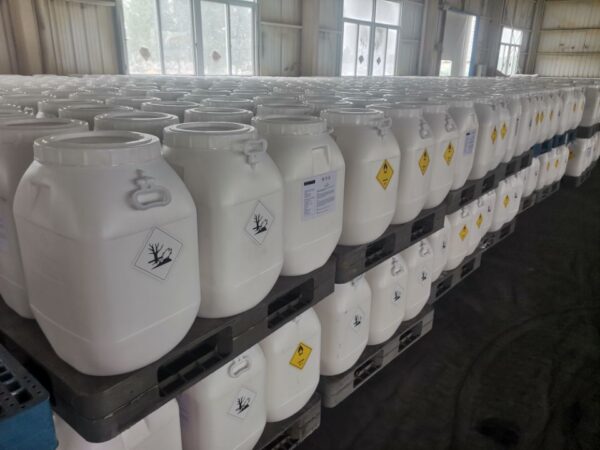
Precautions When Using Chlorine in Industrial Wastewater Treatment
Chlorine remains one of the most effective and widely used disinfectants in industrial wastewater treatment systems. However, improper handling and application can lead to safety hazards, environmental concerns, and suboptimal treatment results. This article outlines critical precautions for the safe and efficient use of chlorine in industrial wastewater treatment operations.
Safety Considerations for Chlorine Handling
Chlorine in gaseous or liquid form requires stringent safety protocols. Always implement engineering controls such as proper ventilation systems, gas detection alarms, and emergency shutdown mechanisms. Personnel must wear appropriate personal protective equipment (PPE), including chemical-resistant suits, respirators, and face shields. Comprehensive training for all staff handling chlorine is non-negotiable to prevent accidental exposures and ensure rapid response to emergencies.
Precise Dosage Control and Monitoring
Overdosing chlorine can generate harmful disinfection byproducts like trihalomethanes (THMs), while underdosing fails to achieve adequate disinfection. Implement continuous online monitoring systems to track chlorine residuals and adjust dosing rates in real-time. Regular calibration of dosing equipment and regular maintenance of monitoring instruments are essential for accurate treatment performance. Consider integrating automated control systems that adjust chlorine dosage based on influent characteristics and flow rates.
Regulatory Compliance and Environmental Stewardship
Industrial wastewater treatment with chlorine must comply with local and international environmental regulations. Maintain detailed records of chlorine usage, residuals, and effluent quality to meet discharge standards. Be aware of specific regulations regarding chlorine discharge limits and potential restrictions on byproduct formation. Partner with suppliers who provide regulatory support and documentation to ensure your operation remains fully compliant.
Optimizing Chlorine Treatment Effectiveness
For optimal results, consider the following:
- Adjust pH levels to maximize chlorine’s disinfection efficacy (optimal range: 6.5-7.5)
- Pre-treat wastewater to remove organic matter that consumes chlorine
- Use chlorine dioxide or sodium hypochlorite for specific applications where safety or treatment outcomes are superior
- Conduct regular performance audits to evaluate treatment effectiveness and identify improvement opportunities
Frequently Asked Questions
Q: What are the primary safety risks when handling chlorine in wastewater treatment?
A: Primary risks include inhalation of chlorine gas, skin/eye contact, and potential for accidental releases. Always use PPE, ensure proper ventilation, and implement gas detection systems.
Q: How can I prevent the formation of harmful disinfection byproducts?
A: Optimize chlorine dosage to avoid overdosing, maintain proper pH levels, and consider pre-treatment to remove organic compounds that react with chlorine.
Q: What regulatory documentation should I maintain for chlorine usage?
A: Maintain detailed records of chlorine usage, residual levels, effluent quality testing, and compliance with local discharge regulations. Regularly update these records for audits.
Q: Are there safer alternatives to gaseous chlorine for wastewater treatment?
A: Yes, sodium hypochlorite solutions or chlorine dioxide can offer safer handling with comparable disinfection efficacy for many applications.
Q: How often should I calibrate my chlorine dosing equipment?
A: Calibrate dosing equipment at least quarterly or after any major maintenance. Implement continuous monitoring to verify calibration accuracy.
Q: What should I consider when selecting chlorine-based water treatment chemicals?
A: Evaluate chemical purity, stability, compatibility with your wastewater characteristics, and supplier’s technical support capabilities for regulatory compliance.
ENVO CHEMICAL provides a comprehensive portfolio of chlorine-based water treatment chemicals and expert technical support to ensure safe, effective, and compliant industrial wastewater treatment. Our advanced R&D capabilities and global delivery network enable us to offer customized solutions that optimize chlorine usage while minimizing risks. With a focus on safety, regulatory compliance, and treatment efficiency, ENVO CHEMICAL helps industrial facilities achieve their water treatment objectives with confidence. Contact our technical team to explore tailored solutions for your specific wastewater treatment challenges.