
Price Trends for TCCA in Bleaching: A Comprehensive Market Analysis for 2026
Introduction
Trichloroisocyanuric Acid (TCCA) has emerged as a critical chemical compound in the global bleaching industry, offering superior disinfection and oxidation capabilities. As we navigate through 2026, understanding TCCA price trends becomes essential for businesses operating in textile processing, pulp and paper manufacturing, and industrial cleaning sectors. This article provides an in-depth analysis of current market dynamics, price forecasting, and strategic procurement recommendations for B2B buyers seeking optimal value in their TCCA sourcing decisions.
Understanding TCCA and Its Bleaching Applications
Chemical Properties and Advantages
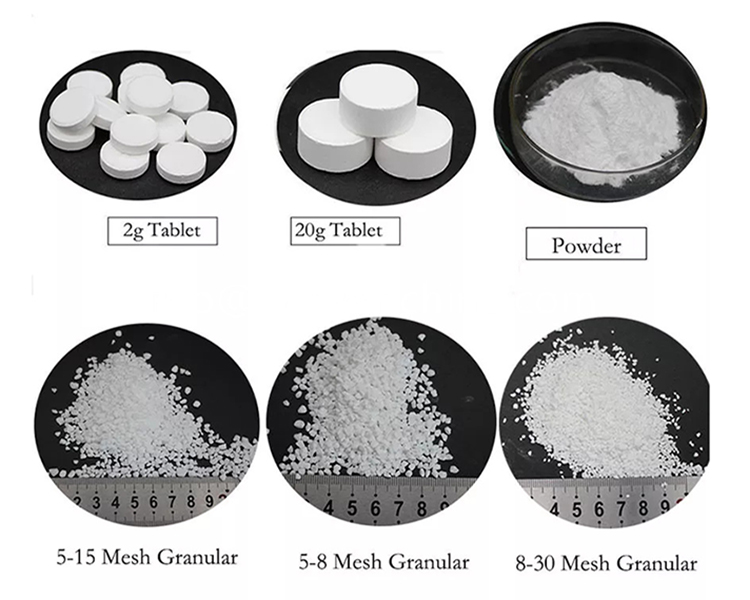
TCCA, with the chemical formula C3Cl3N3O3 and CAS number 87-90-1, is a white crystalline powder characterized by its high available chlorine content (typically 90-99%). This organic compound serves as a powerful oxidizing and chlorinating agent, making it exceptionally effective for bleaching applications across multiple industries.
The compound’s slow-release chlorine mechanism provides sustained disinfection action while maintaining stability during storage and transportation. Unlike traditional chlorine-based bleaching agents, TCCA offers enhanced safety profiles and reduced environmental impact, aligning with increasingly stringent global regulatory requirements.
Primary Bleaching Industry Applications
Textile Processing: TCCA serves as an efficient bleaching agent for cotton, linen, and synthetic fiber fabrics. Its controlled chlorine release ensures uniform whitening without damaging fiber integrity, making it preferable for high-quality textile production.
Pulp and Paper Industry: In paper manufacturing, TCCA facilitates effective pulp bleaching while minimizing harmful byproduct formation. The compound’s stability allows for precise dosage control, reducing waste and improving overall process efficiency.
Industrial Cleaning: Commercial laundry operations and institutional cleaning facilities utilize TCCA for its dual bleaching and sanitizing properties, ensuring both aesthetic and hygienic standards are met simultaneously.
Current TCCA Price Trends in 2026
Global Market Overview
The global TCCA market has demonstrated robust growth trajectory, reaching approximately 1.5 billion USD in 2025. Market analysts project a compound annual growth rate (CAGR) of 7.5-8% through 2032, driven by expanding applications in water treatment, healthcare disinfection, and industrial bleaching processes.
Regional variations significantly influence pricing structures. Asian markets, particularly China, remain dominant production hubs, accounting for over 60% of global supply. This concentration creates both opportunities and challenges for international buyers navigating procurement strategies.
Price Influencing Factors
Raw Material Costs: Cyanuric acid and chlorine represent primary input materials for TCCA production. Fluctuations in these commodity prices directly impact final product costs. Energy prices also play a crucial role, as TCCA manufacturing requires substantial electrical input for electrolysis processes.
Production Capacity: Leading manufacturers including Jiheng Chemical, Nanning Chemical, and international players like ICL Industrial Products continue expanding production facilities. Increased capacity generally stabilizes prices but may create regional oversupply conditions affecting short-term pricing.
Regulatory Compliance: Environmental regulations regarding chlorine handling and discharge standards vary significantly across jurisdictions. Compliance costs contribute to price differentials between regions, with stricter regulatory environments commanding premium pricing.
Seasonal Demand Patterns: Bleaching industry demand typically peaks during spring and summer months in Northern Hemisphere markets, corresponding with increased textile production and cleaning service requirements. Buyers should anticipate 5-10% price variations during peak seasons.
2026 Price Forecast Analysis
Current market data indicates TCCA prices ranging between 1,200-1,800 USD per metric ton for industrial-grade products (90% available chlorine), depending on quantity, delivery terms, and regional factors. Premium grades (99% purity) command 15-25% price premiums.
For the remainder of 2026, analysts anticipate moderate price stability with potential upward pressure of 3-5% driven by:
- Increasing environmental compliance costs
- Rising energy prices in key production regions
- Growing demand from emerging markets in Southeast Asia and Latin America
However, expanded production capacity coming online in late 2026 may offset some upward pressure, creating a balanced market environment.
Strategic Procurement Recommendations for B2B Buyers
Volume Optimization Strategies
Large-volume purchasers should consider annual supply agreements rather than spot purchases. Contract pricing typically offers 8-12% savings compared to transactional buying while ensuring supply security during peak demand periods.
Minimum order quantities generally start at 25kg for trial orders, with significant price breaks available at 1-ton and 5-ton thresholds. Buyers should evaluate total cost of ownership including storage, handling, and potential product degradation when determining optimal order sizes.
Quality Verification Protocols
When sourcing TCCA for bleaching applications, buyers should request comprehensive quality documentation including:
- Certificate of Analysis confirming available chlorine content
- Heavy metal testing results
- Moisture content verification (should not exceed 0.5%)
- Particle size distribution data for specific application requirements
Third-party laboratory testing provides additional assurance, particularly for first-time supplier relationships or when transitioning between vendors.
Supply Chain Risk Mitigation
Diversification across multiple suppliers reduces disruption risk. Geographic diversification proves particularly valuable given potential trade policy changes and logistics challenges. Maintaining relationships with both domestic and international suppliers creates flexibility for responding to market fluctuations.
Inventory management should balance carrying costs against supply security. For most industrial users, maintaining 60-90 days of inventory provides adequate buffer without excessive capital commitment.
Environmental and Safety Considerations
Regulatory Compliance Requirements
TCCA handling requires adherence to specific safety protocols given its oxidizing properties. Proper storage conditions include cool, dry environments away from incompatible materials including ammonia compounds, organic materials, and reducing agents.
Transportation classifications vary by jurisdiction but generally require hazardous materials documentation. Buyers should verify supplier compliance with relevant transportation regulations including IMDG, IATA, or DOT requirements as applicable.
Sustainability Trends
Environmental consciousness increasingly influences purchasing decisions. TCCA’s advantages over traditional chlorine compounds include reduced trihalomethane formation and lower overall environmental persistence. Manufacturers investing in cleaner production technologies may command premium pricing but offer long-term value through reduced regulatory risk.
Conclusion
The TCCA market in 2026 presents both opportunities and challenges for bleaching industry participants. While moderate price increases are anticipated, strategic procurement approaches can mitigate cost impacts while ensuring reliable supply. Buyers who invest in supplier relationships, quality verification, and inventory optimization will position themselves competitively in this evolving market landscape.
Understanding price trends, quality parameters, and supply chain dynamics enables informed decision-making that balances cost efficiency with operational reliability. As the bleaching industry continues evolving toward more sustainable practices, TCCA’s role as an effective, versatile chemical solution remains firmly established.
Frequently Asked Questions (FAQ)
Q1: What is the typical shelf life of TCCA for bleaching applications?
A: Properly stored TCCA maintains effectiveness for 24-36 months. Storage conditions should remain cool (below 30°C), dry, and away from direct sunlight. Moisture exposure significantly reduces shelf life and should be prevented through appropriate packaging and warehouse conditions.
Q2: How does TCCA compare to sodium hypochlorite for bleaching purposes?
A: TCCA offers several advantages including higher available chlorine content (90% vs. 10-15%), longer shelf life, easier transportation, and more controlled chlorine release. While initial cost per unit may be higher, total cost effectiveness often favors TCCA for industrial applications requiring consistent quality and extended storage.
Q3: What certifications should I request from TCCA suppliers?
A: Essential certifications include ISO 9001 for quality management, REACH compliance for European markets, and relevant safety data sheets (SDS). Additional certifications like FDA registration may be required for specific applications involving food contact or healthcare settings.
Q4: Can TCCA be used for all textile types?
A: TCCA works effectively on cotton, linen, and many synthetic fibers. However, delicate fabrics, wool, and silk require careful evaluation as chlorine-based bleaching may cause damage. Always conduct small-scale testing before full production implementation.
Q5: What factors cause the most significant TCCA price fluctuations?
A: Energy costs, raw material availability (particularly cyanuric acid), production facility maintenance schedules, and seasonal demand patterns create the most notable price variations. Currency exchange rates also impact international procurement costs significantly.
Q6: How can I verify TCCA quality before large-scale purchase?
A: Request sample quantities for laboratory testing, review supplier quality documentation, consider third-party inspection services, and establish clear quality specifications in purchase agreements. Building relationships with reputable suppliers reduces quality risk over time.
For more information about TCCA sourcing solutions and customized procurement strategies, visit our contact page to connect with our chemical supply specialists. https://envochemical.com/contact-us/
