
Description
Product Description
Type: Sodium Tripolyphosphate/STPP
CAS No.: 7758-29-4
Formula: Na5o10p3
EINECS: 231-838-7
Appearance:White Powder or White Granular
Purity: 90%~99%
Analysis of certificate:
| Testing Item | Citric Acid Anhydrous | Citric Acid Monohydrate |
| STPP content /% | ≥85 | 96.8 |
| P2O5 content /% | 56.0~58.0 | 57.8 |
| Water insoluble /% | ≤0.1 | 0.01 |
| PH ( 1%) | 9.5-10 | 9.8 |
| Whiteness /% | ≥85 | 94 |
| Fluoride ( F) /% | ≤0.005 | 0.0006 |
| Arsenic (AS)/% | ≤0.0003 | ≤0.00007 |
| Heavy Metal(Pb)/% | ≤0.0010 | ≤0.0003 |
| Stacking density(g/cm3) | 0.35-0.9 | 0.75 |
Sodium tripolyphosphate(STPP), also known as pentasodium triphosphate, pentasodium tripolyphosphate or sodium triphosphate, is used in a wide range of applications in the manufacture of cleaning products and food preservatives as well as in water treatment facilities. STPP is a sodium salt of triphosphoric acid that has the appearance of white crystal powder. It is odorless and is water soluble. In a highly controlled environment, it is made by combining monosodium phosphate and disodium phosphate.
Application
In Food:
The uses of stpp include using it as a preservative. Sodium Tripolyphosphate STPP can be used to preserve foods such as red meats, poultry, and seafood, helping them to retain their tenderness and moisture. Pet food and animal feed have been known to be treated with Sodium tripolyphosphate stpp , serving the same general purpose as it does in human food.
In Tech:
The majority of STPP Sodium tripolyphosphate is consumed as a component of commercial detergents.
Other uses include “ceramics (increase viscosity of the glazes upto a certain limit), leather tanning (as masking agent and synthetic tanning agent – SYNTAN), anticaking, setting retarders, flame retardants, paper, anticorrosion pigments, textiles, rubber manufacture, fermentation, antifreeze.”STPP is used as a polyanion crosslinker in polysaccharide based drug delivery
Packing:
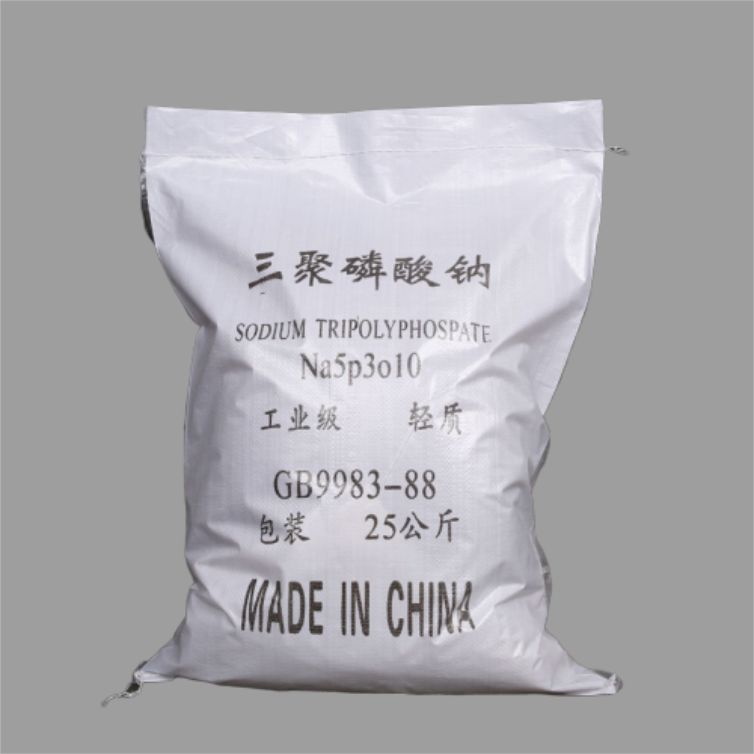
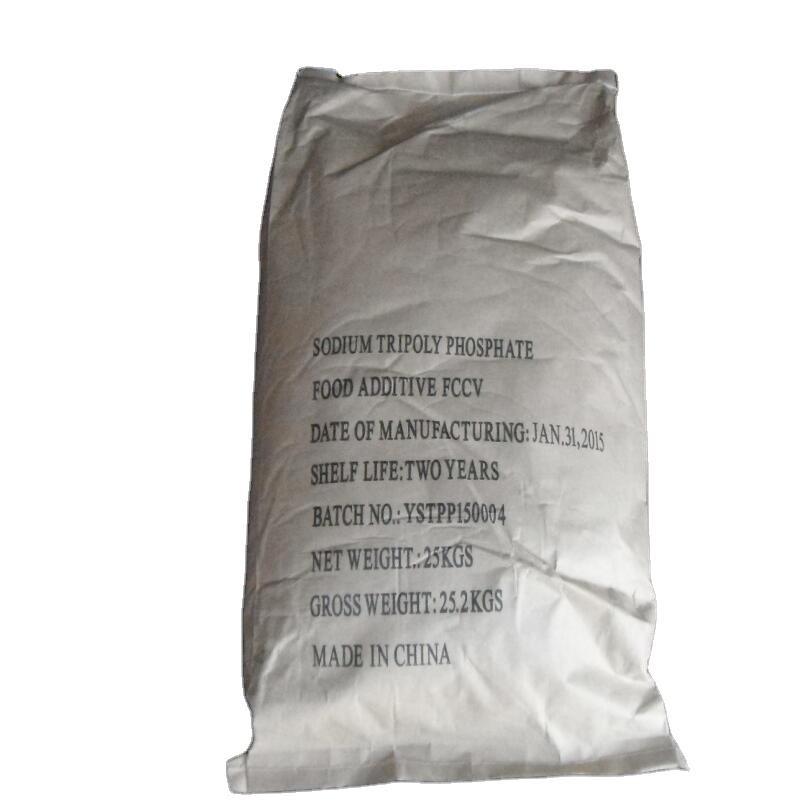
In 25kg PP/kraft paper bag with PE liner.Other package sizes are available upon request.
Storage
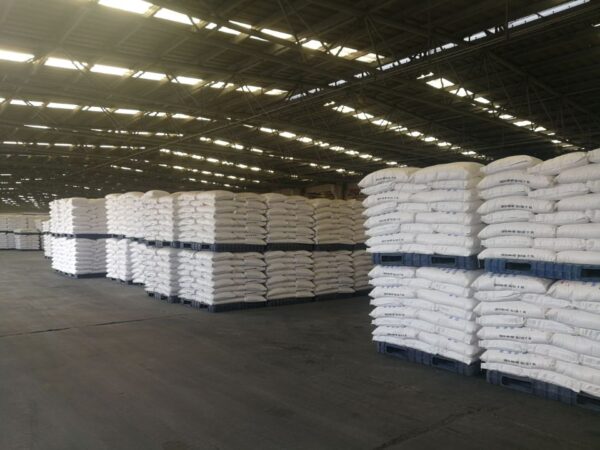
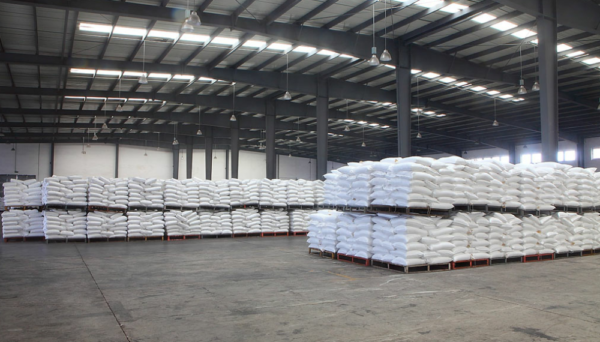
It should be stored in a dry, ventilated and clean warehouse; kept away from moisture and heat, and stored separately from poisonous substances.
Shelf life:
2 years