
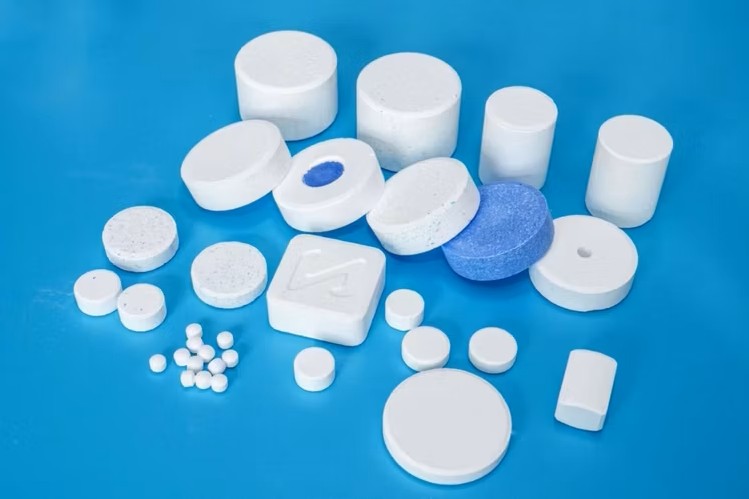
Purchase Calcium Hypochlorite in Bulk: Reliable Exporters for Food Processing
By: Marcus Thorne, Senior Chemical Supply Chain Consultant
In the high-stakes world of food processing, hygiene isn’t just a regulatory box to check; it is the backbone of brand reputation and consumer safety. As someone who has spent over fifteen years navigating the complex landscape of industrial water treatment and sanitation chemicals, I have seen firsthand how the choice of a disinfectant can make or break an operation. Among the myriad of options available, Calcium Hypochlorite remains a cornerstone for effective sanitation. However, sourcing this chemical in bulk is not merely about finding the lowest price per ton. It is about securing a partnership with reliable exporters who understand the nuances of food-grade safety, logistics, and consistent quality.
When you search for terms like “Purchase Calcium Hypochlorite in Bulk,” you are likely facing pressure to reduce operational costs while maintaining uncompromising safety standards. This article aims to guide procurement managers, plant operators, and business owners through the critical considerations of selecting the right exporter for food processing applications.
The Critical Role of Calcium Hypochlorite in Food Safety
Calcium Hypochlorite, often referred to in the industry as HTH (High Test Hypochlorite), is a powerful oxidizing agent used primarily for disinfection and bleaching. In the context of food processing, its application is twofold: sanitizing equipment and surfaces, and treating process water to ensure it meets microbial standards.
Unlike liquid bleach, which can degrade quickly and carries a higher water content, solid Calcium Hypochlorite offers stability and a higher available chlorine content, typically ranging from 65% to 70%. This concentration efficiency is vital for large-scale facilities where storage space is limited, and logistics costs must be minimized. From my experience consulting with dairy plants and poultry processors, the consistency of chlorine release is what matters most. Inconsistent potency can lead to under-sanitization, risking contamination, or over-sanitization, which can corrode expensive machinery and leave harmful residues on food contact surfaces.
Key Criteria for Selecting Bulk Exporters
Finding a supplier is easy; finding a reliable exporter is where the challenge lies. The global market is flooded with manufacturers, but not all adhere to the stringent requirements necessary for food industry applications. When evaluating potential partners for bulk purchases, I recommend focusing on three core pillars.
1. Certification and Compliance
The food industry is heavily regulated. Your chemical supplier must comply with international standards. Look for exporters who hold ISO 9001 certification for quality management and ISO 14001 for environmental management. More importantly, for food processing, the product should meet standards set by bodies like the FDA (Food and Drug Administration) or equivalent local authorities in your region. A reliable exporter will readily provide Safety Data Sheets (SDS), Certificates of Analysis (CoA), and proof of regulatory compliance without hesitation. If an exporter is vague about documentation, consider it a red flag.
2. Supply Chain Stability and Logistics
Calcium Hypochlorite is classified as a hazardous material (Class 5.1 Oxidizer). Shipping it requires specialized handling, proper packaging, and compliance with IMDG (International Maritime Dangerous Goods) codes. Experienced exporters understand the intricacies of hazardous cargo logistics. They ensure that the packaging—whether it is 50kg drums, 5kg buckets, or larger bulk bags—is sealed correctly to prevent moisture ingress, which can lead to decomposition or even combustion.
During peak seasons or global supply chain disruptions, a reliable partner maintains inventory buffers. I recall a situation where a client’s production line was nearly halted because their supplier failed to deliver due to poor inventory planning. Switching to an exporter with a robust logistics network saved their quarterly output.
3. Product Consistency and Technical Support
Bulk purchasing implies a long-term relationship. You need a supplier whose product batch-to-batch variability is minimal. High-quality exporters invest in rigorous quality control labs to test every batch before shipment. Furthermore, they should offer technical support. Can they advise on dissolution rates? Do they provide guidance on safe storage temperatures? A vendor who acts as a consultant adds significant value beyond the transaction.
Navigating Safety and Compliance Standards
Safety is paramount when handling oxidizing agents. In food processing facilities, the risk of cross-contamination is a constant concern. Calcium Hypochlorite must be stored separately from organic materials, acids, and flammable substances. When sourcing from overseas exporters, ensure they provide clear labeling in your local language and comprehensive training materials for your staff.
Compliance also extends to environmental discharge. The byproducts of chlorination must be managed according to local environmental protection laws. Reliable exporters often provide guidance on neutralization processes to ensure that wastewater discharge remains within legal limits. This holistic approach to compliance protects your facility from fines and reputational damage.
Cost Efficiency vs. Quality: The True Cost of Ownership
It is tempting to opt for the cheapest quote available on the market. However, in the chemical industry, price often correlates with purity and stability. Lower-grade Calcium Hypochlorite may contain higher levels of impurities, such as heavy metals or excessive moisture. These impurities can reduce the effective chlorine content, meaning you end up using more product to achieve the same sanitization result.
Consider the Total Cost of Ownership (TCO). A slightly higher upfront cost for a premium product from a reputable exporter often results in lower consumption rates, less equipment corrosion, and reduced risk of production stoppages. Additionally, reliable exporters offer flexible payment terms and transparent pricing structures that protect you from volatile market fluctuations. Building a relationship based on trust and quality ultimately yields better financial outcomes than chasing the lowest spot price.
Conclusion
Securing a steady supply of high-quality Calcium Hypochlorite is a strategic decision that impacts the safety and efficiency of your food processing operations. By prioritizing exporters who demonstrate rigorous compliance, logistical expertise, and product consistency, you safeguard your production line and your brand. The market is vast, but the number of truly reliable partners is limited. Take the time to vet your suppliers, demand transparency, and focus on long-term value rather than short-term savings.
In an industry where safety is non-negotiable, your choice of chemical partner should reflect that same commitment to excellence. Whether you are upgrading your water treatment system or scaling up your sanitation protocols, the right exporter becomes an extension of your own quality assurance team.
Frequently Asked Questions (FAQ)
Q1: What is the typical shelf life of bulk Calcium Hypochlorite?
A: When stored in a cool, dry, and well-ventilated area away from direct sunlight, high-quality Calcium Hypochlorite typically has a shelf life of 12 to 24 months. However, potency may degrade over time if packaging is compromised by moisture.
Q2: Can Calcium Hypochlorite be used directly on food products?
A: Generally, no. It is primarily used for sanitizing equipment, surfaces, and process water. Any contact with food must adhere to strict regulatory limits regarding residual chlorine levels. Always consult local food safety regulations before application.
Q3: What packaging options are available for bulk orders?
A: Standard export packaging includes 50kg fiber drums with plastic liners, 5kg plastic buckets, or 1000kg bulk bags. Custom packaging can often be arranged depending on the exporter’s capabilities and shipping requirements.
Q4: How do I verify the quality of the product before shipment?
A: Reputable exporters will provide a pre-shipment Certificate of Analysis (CoA) from an independent laboratory. You can also request third-party inspection services like SGS or Intertek to verify quality and quantity before loading.
Q5: What are the main safety hazards associated with this chemical?
A: Calcium Hypochlorite is a strong oxidizer. It can cause fire if mixed with organic materials or fuels. It is also corrosive to skin and eyes. Proper PPE (Personal Protective Equipment) and storage protocols are essential during handling.
Q6: Is it possible to get samples before committing to a bulk order?
A: Yes, most professional exporters offer sample quantities for testing purposes. This allows you to verify dissolution rates and chlorine content in your specific application environment before signing a large contract.
For more information on securing reliable chemical supply chains and to discuss your specific procurement needs, feel free to reach out through our official contact channels. https://envochemical.com/contact-us/
