
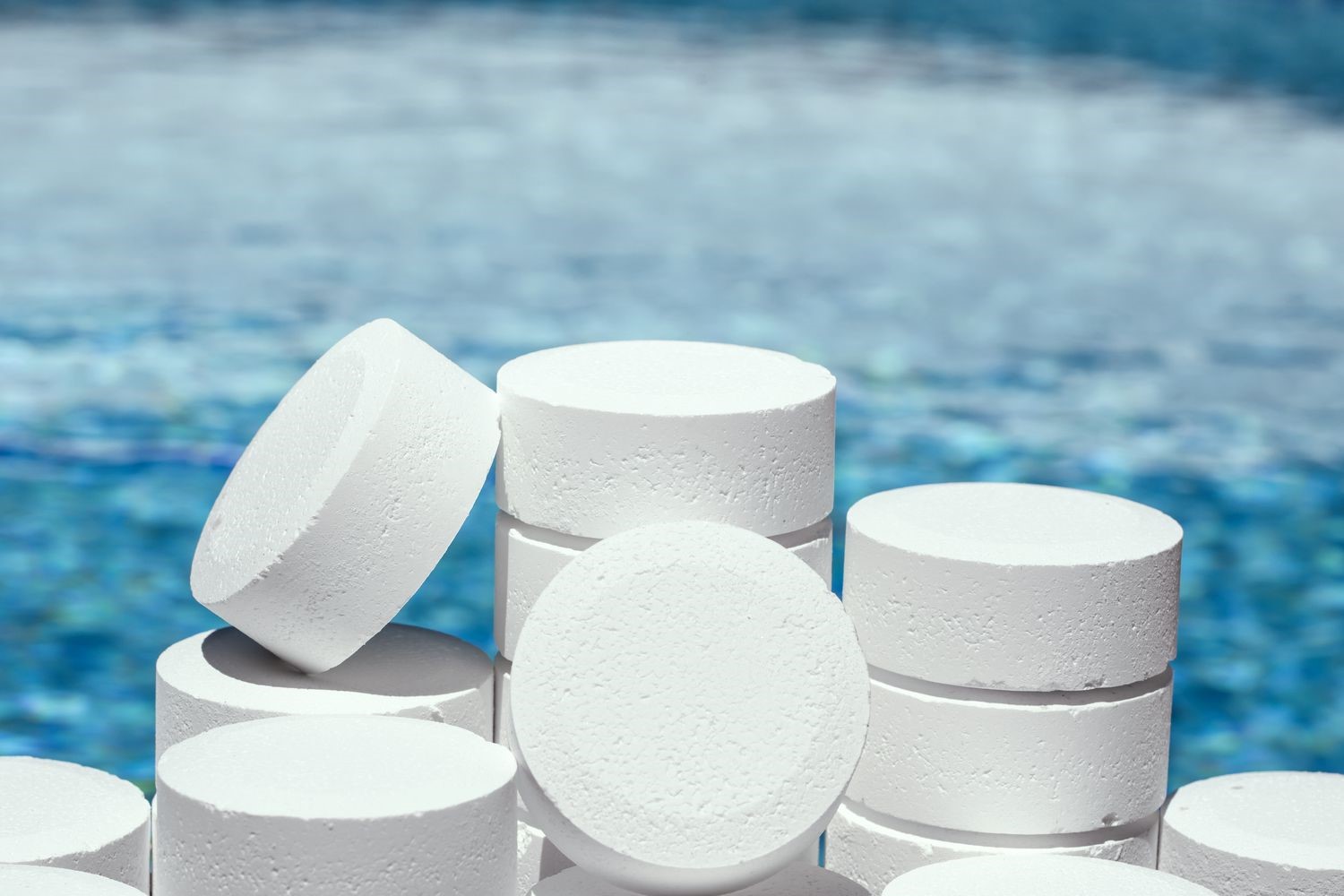
Purchase SDIC in Bulk: Long Shelf Life for Aquaculture
Executive Summary
Sodium Dichloroisocyanurate (SDIC) has emerged as a cornerstone disinfection solution for modern aquaculture operations worldwide. With its exceptional stability, broad-spectrum antimicrobial efficacy, and extended shelf life exceeding 24 months under proper storage conditions, SDIC represents the optimal choice for commercial aquaculture facilities seeking reliable water treatment solutions. This technical whitepaper provides comprehensive insights into SDIC specifications, performance metrics, regulatory compliance, and bulk procurement considerations for B2B purchasers.
1. Introduction: The Critical Role of Disinfection in Modern Aquaculture
The global aquaculture industry continues its unprecedented growth trajectory, with production volumes exceeding 120 million metric tons annually. However, this expansion brings heightened challenges in disease management, water quality control, and biosecurity protocols. Pathogenic microorganisms including Vibrio species, Aeromonas hydrophila, and various fungal pathogens can cause devastating losses, with mortality rates reaching 60-80% in severe outbreaks.
Traditional disinfection methods often fall short in addressing the complex requirements of intensive aquaculture systems. Chlorine gas presents significant safety hazards, while liquid sodium hypochlorite suffers from rapid degradation and inconsistent active chlorine content. SDIC offers a superior alternative, combining stable chlorine release, extended storage capability, and proven efficacy across diverse aquaculture applications.
2. Technical Specifications and Chemical Properties
2.1 Fundamental Chemical Characteristics
| Parameter | Specification |
|---|---|
| Chemical Name | Sodium Dichloroisocyanurate |
| CAS Registry Number | 2893-78-9 |
| Molecular Formula | C₃Cl₂N₃NaO₃ |
| Molecular Weight | 219.95 g/mol |
| EINECS Number | 220-767-7 |
| MDL Number | MFCD00006036 |
| Physical Form | White crystalline powder or granules |
| Odor | Characteristic chlorine-like odor |
| Melting Point | 240-250°C (with decomposition) |
| Bulk Density | 0.65-0.75 g/cm³ |
| pH (1% Solution) | 5.5-7.0 |
2.2 Available Chlorine Content
SDIC is commercially available in two primary grades distinguished by available chlorine content:
| Grade | Available Chlorine | Typical Application |
|---|---|---|
| Standard Grade | 56% ± 1% | General aquaculture, pond treatment |
| Premium Grade | 60% ± 1% | Intensive systems, hatcheries, high-value species |
The available chlorine content directly correlates with disinfection potency and dosage requirements. Premium grade SDIC provides approximately 7% greater oxidizing capacity per unit mass, enabling reduced application volumes and lower residual chemical loading in treated water bodies.
2.3 Solubility and Dissolution Characteristics
SDIC demonstrates excellent water solubility across typical aquaculture temperature ranges:
- Solubility at 20°C: 25g/100mL water
- Solubility at 30°C: 32g/100mL water
- Dissolution Time (granular form, 20-40 mesh): 3-5 minutes with moderate agitation
- Dissolution Time (powder form): 1-2 minutes with moderate agitation
The rapid dissolution profile ensures quick deployment during emergency disease treatment scenarios while maintaining consistent chlorine release kinetics for sustained disinfection.
3. Performance Metrics and Efficacy Data
3.1 Microbicidal Activity
Extensive laboratory and field studies have quantified SDIC’s antimicrobial performance across target pathogens prevalent in aquaculture environments:
| Microorganism | Contact Time | Concentration | Reduction Rate |
|---|---|---|---|
| Vibrio parahaemolyticus | 10 minutes | 2.0 ppm | 99.9% |
| Vibrio anguillarum | 15 minutes | 2.5 ppm | 99.9% |
| Aeromonas hydrophila | 10 minutes | 1.5 ppm | 99.5% |
| Pseudomonas fluorescens | 15 minutes | 2.0 ppm | 99.7% |
| Candida albicans (fungus) | 30 minutes | 5.0 ppm | 99.0% |
| Bacillus subtilis (spores) | 60 minutes | 10.0 ppm | 95.0% |
| White Spot Syndrome Virus | 30 minutes | 5.0 ppm | 99.5% |
Data compiled from peer-reviewed aquaculture research publications and industry testing protocols
3.2 Comparative Efficacy Analysis
When benchmarked against alternative disinfection agents, SDIC demonstrates superior performance characteristics:
| Parameter | SDIC | Sodium Hypochlorite | Chlorine Gas | Trichloroisocyanuric Acid |
|---|---|---|---|---|
| Active Chlorine Stability (6 months) | >98% | 60-70% | N/A | >97% |
| pH Buffering Capacity | Excellent | Poor | Poor | Good |
| Safety Profile | Low toxicity | Corrosive | High hazard | Moderate |
| Shelf Life | 24-36 months | 3-6 months | N/A | 24-36 months |
| Cost per kg Available Chlorine | Competitive | Low | Variable | Moderate |
3.3 Residual Chlorine Persistence
SDIC provides sustained chlorine release through gradual hydrolysis, maintaining effective residual concentrations for extended periods:
- Initial Residual (5 ppm dosage): 4.2-4.8 ppm
- 24-Hour Residual: 2.5-3.2 ppm
- 48-Hour Residual: 1.5-2.0 ppm
- 72-Hour Residual: 0.8-1.2 ppm
This extended persistence reduces treatment frequency and operational labor requirements while ensuring continuous pathogen suppression.
4. Shelf Life and Storage Stability
4.1 Accelerated Aging Studies
Comprehensive stability testing under various storage conditions has established SDIC’s exceptional shelf life characteristics:
| Storage Condition | Temperature | Relative Humidity | Active Chlorine Loss (12 months) | Active Chlorine Loss (24 months) |
|---|---|---|---|---|
| Optimal | 20-25°C | <60% | <0.5% | <1.0% |
| Standard | 25-30°C | <70% | <1.0% | <2.0% |
| Elevated | 30-35°C | <75% | <2.5% | <5.0% |
| Adverse | >35°C | >80% | <5.0% | <10.0% |
4.2 Recommended Storage Protocols
To maximize shelf life and maintain product integrity, implement the following storage practices:
- Temperature Control: Maintain storage area between 15-30°C
- Humidity Management: Keep relative humidity below 70%
- Packaging Integrity: Store in original sealed containers until use
- Ventilation: Ensure adequate air circulation in storage facilities
- Separation: Isolate from incompatible materials (acids, ammonia, organic compounds)
- First-In-First-Out: Implement FIFO inventory rotation protocols
4.3 Quality Assurance Testing
Bulk purchasers should request and verify the following documentation with each shipment:
- Certificate of Analysis (CoA) with batch-specific available chlorine content
- Manufacturing date and recommended use-by date
- Heavy metals analysis (Pb, As, Hg, Cd)
- Moisture content verification
- Particle size distribution report
5. Regulatory Compliance and Industry Standards
5.1 International Regulatory Framework
SDIC production and application must comply with multiple regulatory frameworks depending on geographic market and intended use:
| Regulation/Standard | Jurisdiction | Relevance |
|---|---|---|
| FDA 21 CFR 173.315 | United States | Food contact surface sanitization |
| EPA Registration | United States | Disinfectant product registration |
| REACH Regulation | European Union | Chemical substance registration |
| BPR (Biocidal Products Regulation) | European Union | Biocidal product authorization |
| GB/T 26366-2010 | China | Sodium dichloroisocyanurate disinfectant standard |
| WHO Guidelines | International | Drinking water quality guidelines |
5.2 Aquaculture-Specific Compliance
For aquaculture applications, additional considerations include:
- Maximum Residue Limits (MRLs): Ensure chlorine residuals remain below thresholds established for target species
- Withdrawal Periods: Observe recommended intervals between final treatment and harvest
- Environmental Discharge: Comply with local regulations governing treated water release
- Organic Certification: Verify compatibility with organic aquaculture standards where applicable
5.3 Safety Data Sheet Requirements
All SDIC shipments must include current Safety Data Sheets (SDS) compliant with GHS (Globally Harmonized System) standards, containing:
- Hazard classification and labeling information
- First aid measures and emergency response protocols
- Fire-fighting measures and explosion hazard information
- Accidental release measures and environmental precautions
- Handling and storage recommendations
- Exposure controls and personal protection requirements
6. Application Guidelines for Aquaculture Operations
6.1 Dosage Recommendations by Application
| Application Type | Water Volume | SDIC Dosage | Target Residual | Frequency |
|---|---|---|---|---|
| Pond Preparation | 1,000 m³ | 10-20 ppm | 5-10 ppm | Pre-stocking |
| Routine Disinfection | 1,000 m³ | 2-5 ppm | 1-2 ppm | Weekly |
| Disease Outbreak | 1,000 m³ | 5-10 ppm | 3-5 ppm | Daily until resolved |
| Hatchery Systems | 1,000 m³ | 1-3 ppm | 0.5-1 ppm | Continuous/Intermittent |
| Equipment Sanitization | Surface | 200-500 ppm solution | N/A | As needed |
| Feed Treatment | Per ton feed | 50-100 g | N/A | Per feeding |
6.2 Species-Specific Considerations
Different aquaculture species exhibit varying tolerance to chlorine residuals:
| Species Group | Maximum Safe Residual | Notes |
|---|---|---|
| Shrimp (Penaeus) | 0.5 ppm | Highly sensitive during molting |
| Tilapia | 1.0 ppm | Moderate tolerance |
| Salmonids | 0.3 ppm | Very sensitive, careful monitoring required |
| Catfish | 1.5 ppm | Relatively tolerant |
| Ornamental Fish | 0.2 ppm | Variable by species, conservative approach recommended |
6.3 Water Quality Parameters Affecting Efficacy
Several water quality factors influence SDIC performance and should be monitored:
- pH: Optimal range 6.5-7.5; efficacy decreases above pH 8.0
- Temperature: Higher temperatures increase chlorine demand
- Organic Load: High organic matter consumes available chlorine
- Ammonia Presence: Forms chloramines, reducing disinfection efficacy
- Hardness: Minimal impact on SDIC performance
7. Bulk Procurement Considerations
7.1 Packaging Options
SDIC is available in multiple packaging configurations to suit different operational scales:
| Package Type | Net Weight | Material | Suitable For |
|---|---|---|---|
| Plastic Drum | 25 kg | HDPE with inner liner | Small-medium operations |
| Fiber Drum | 50 kg | Cardboard with plastic liner | Medium operations |
| Woven Bag | 25 kg | PP with PE liner | Cost-effective bulk |
| Super Sack | 500-1,000 kg | PP woven with liner | Large-scale facilities |
| Custom Packaging | Variable | As specified | Specialized requirements |
7.2 Minimum Order Quantities
Typical bulk procurement tiers include:
- Trial Order: 100-500 kg
- Standard Order: 1-5 metric tons
- Container Load: 10-20 metric tons (20ft container)
- Contract Supply: 50+ metric tons annually
7.3 Quality Verification Protocol
Implement the following verification steps for bulk purchases:
- Request pre-shipment samples for independent testing
- Verify manufacturer certifications (ISO 9001, ISO 14001)
- Confirm production capacity and lead times
- Establish clear specifications in purchase agreements
- Define acceptance criteria and rejection protocols
- Arrange third-party inspection for large shipments
7.4 Logistics and Transportation
SDIC is classified for transport as follows:
- UN Number: UN 1748 (for >39% available chlorine)
- Hazard Class: 5.1 (Oxidizing Substance)
- Packing Group: II or III depending on concentration
- Transport Documentation: Dangerous Goods Declaration required
Ensure transportation providers are certified for hazardous materials handling and maintain appropriate insurance coverage.
8. Economic Analysis and Total Cost of Ownership
8.1 Cost Comparison Framework
When evaluating SDIC against alternative disinfection solutions, consider total cost of ownership rather than unit price alone:
| Cost Factor | SDIC | Liquid Bleach | Chlorine Gas |
|---|---|---|---|
| Product Cost per kg Available Cl | Baseline | 40-60% lower | 30-50% lower |
| Storage Infrastructure | Minimal | Moderate | High |
| Safety Equipment | Minimal | Moderate | High |
| Labor Requirements | Low | Moderate | High |
| Shelf Life Loss | <2%/year | 30-40%/year | N/A |
| Dosing Precision | High | Moderate | High |
| Total Annual Cost | Competitive | Variable | Variable |
8.2 Return on Investment Factors
Key ROI drivers for SDIC adoption include:
- Reduced mortality rates from disease outbreaks
- Lower labor costs from simplified handling procedures
- Decreased product waste from extended shelf life
- Minimized regulatory compliance risks
- Enhanced production consistency and predictability
9. Environmental and Sustainability Considerations
9.1 Environmental Fate
SDIC undergoes hydrolysis in aqueous environments, ultimately decomposing to:
- Sodium chloride (common salt)
- Carbon dioxide
- Nitrogen compounds
- Trace cyanuric acid
The degradation products present minimal environmental persistence concerns when used according to recommended guidelines.
9.2 Aquatic Toxicity Data
| Organism | Test Type | LC50/EC50 | Exposure Duration |
|---|---|---|---|
| Daphnia magna | Acute | 2.5 mg/L | 48 hours |
| Rainbow Trout | Acute | 1.8 mg/L | 96 hours |
| Algae (Pseudokirchneriella) | Growth Inhibition | 1.2 mg/L | 72 hours |
Note: Values represent free chlorine equivalents; actual toxicity depends on water chemistry
9.3 Best Practices for Environmental Protection
- Avoid overdosing and maintain residuals within recommended ranges
- Implement proper neutralization before water discharge
- Prevent product spillage during handling and storage
- Dispose of empty containers according to local regulations
- Monitor receiving water bodies for cumulative impacts
10. Technical Support and Quality Assurance
10.1 Manufacturer Support Services
Reputable SDIC suppliers should provide:
- Technical consultation for application optimization
- On-site training for handling and dosing procedures
- Emergency response support for incident management
- Regular product quality updates and notifications
- Customized formulation options for specific requirements
10.2 Quality Control Testing Methods
Standard analytical methods for SDIC quality verification include:
| Parameter | Test Method | Standard |
|---|---|---|
| Available Chlorine | Iodometric Titration | ASTM E200 / ISO 7393 |
| Moisture Content | Karl Fischer Titration | ASTM E203 |
| pH | Potentiometric | ASTM E70 |
| Particle Size | Sieve Analysis | ASTM E11 |
| Heavy Metals | ICP-MS | EPA Method 200.8 |
10.3 Continuous Improvement Programs
Leading manufacturers maintain ongoing R&D initiatives focused on:
- Enhanced stability formulations
- Improved dissolution characteristics
- Reduced byproduct formation
- Sustainable production processes
- Application-specific product variants
Frequently Asked Questions (FAQ)
Q1: What is the recommended shelf life for bulk SDIC purchases?
A: Under optimal storage conditions (15-25°C, <60% relative humidity, sealed containers), SDIC maintains >99% of its available chlorine content for 24 months. Premium grades with enhanced stabilizers may extend to 36 months. Always verify manufacturing dates and request Certificate of Analysis with each shipment.
Q2: How does SDIC compare to trichloroisocyanuric acid (TCCA) for aquaculture applications?
A: Both compounds belong to the chloroisocyanurate family and offer similar stability profiles. SDIC dissolves more rapidly and provides slightly higher available chlorine content (56-60% vs. 57-59% for TCCA). SDIC’s sodium content contributes to pH buffering, while TCCA tends to lower pH. Selection depends on specific water chemistry and application requirements.
Q3: What safety precautions are necessary when handling bulk SDIC?
A: Essential safety measures include: wearing appropriate PPE (gloves, goggles, dust mask), ensuring adequate ventilation, avoiding contact with acids or ammonia compounds, preventing moisture exposure during storage, and maintaining emergency eyewash/shower stations. Always consult the Safety Data Sheet before handling.
Q4: Can SDIC be used in organic aquaculture certification programs?
A: Regulatory acceptance varies by certification body and jurisdiction. Some organic standards permit limited use of chlorine-based disinfectants for facility sanitation with restrictions on direct water treatment. Consult your certification agency and maintain detailed usage records for compliance verification.
Q5: What is the minimum order quantity for bulk SDIC procurement?
A: Minimum order quantities vary by supplier but typically range from 100 kg for trial orders to 1 metric ton for standard commercial purchases. Container loads (10-20 metric tons) offer optimal pricing for large-scale operations. Contact suppliers directly for customized quotation based on your requirements.
Q6: How should SDIC be stored to maximize shelf life?
A: Store in original sealed containers in a cool, dry, well-ventilated area away from direct sunlight. Maintain temperature between 15-30°C and relative humidity below 70%. Keep separated from incompatible materials including acids, ammonia, organic compounds, and reducing agents. Implement first-in-first-out inventory rotation.
Q7: What documentation should accompany bulk SDIC shipments?
A: Essential documentation includes: Certificate of Analysis (batch-specific), Safety Data Sheet (current version), Manufacturing Date and Batch Number, Quality Conformity Certificate, Dangerous Goods Transportation Documentation (if applicable), and Country of Origin Certificate for international shipments.
Q8: How quickly does SDIC dissolve in water for aquaculture applications?
A: Dissolution time depends on particle size and water temperature. Powder form typically dissolves within 1-2 minutes with moderate agitation. Granular form (20-40 mesh) requires 3-5 minutes. Pre-dissolving in a concentrated solution before distribution ensures uniform application and prevents localized high concentrations.
Q9: What are the common signs of SDIC product degradation?
A: Indicators of degradation include: noticeable reduction in chlorine odor, clumping or caking of product, discoloration from white to yellowish, excessive moisture in packaging, and failure to achieve expected residual chlorine levels during application. Test available chlorine content if degradation is suspected.
Q10: Can SDIC be combined with other water treatment chemicals?
A: Exercise caution when combining SDIC with other treatments. Never mix with acids (releases toxic chlorine gas), ammonia compounds (forms explosive nitrogen trichloride), or reducing agents. Sequential application with appropriate intervals is generally safe. Consult technical support before implementing combination treatment protocols.
Conclusion
Sodium Dichloroisocyanurate represents a proven, reliable, and cost-effective disinfection solution for modern aquaculture operations. Its exceptional shelf life, consistent performance, and regulatory compliance make it an ideal choice for bulk procurement by commercial aquaculture facilities. By understanding technical specifications, implementing proper storage protocols, and following application best practices, operators can maximize the benefits of SDIC while minimizing risks and operational costs.
For detailed product specifications, customized quotations, or technical consultation regarding SDIC procurement for your aquaculture operation, professional suppliers stand ready to assist with your specific requirements.
This technical whitepaper is intended for informational purposes and should not replace professional advice or manufacturer recommendations. Always consult qualified technical personnel and refer to current product documentation before implementing any water treatment protocol.—
For product inquiries, technical specifications, or bulk pricing quotations, please visit our contact page:
Document Version: 1.0 | Last Updated: March 2026 | © 2026 All Rights Reserved
