
# Reliable Calcium Hypochlorite for Fountain Companies: Algae Professional Essentials Prevention
Introduction
Water features and fountains have become integral elements in modern landscape design, commercial properties, and public spaces. However, maintaining crystal-clear water remains a persistent challenge for fountain companies worldwide. Algae growth not only compromises aesthetic appeal but can also damage equipment and pose health risks. This is where reliable calcium hypochlorite emerges as a professional essential for effective algae prevention. In this comprehensive guide, we explore how fountain companies can leverage this powerful chemical solution to maintain pristine water features while ensuring operational efficiency and customer satisfaction.
Understanding Calcium Hypochlorite in Water Treatment
What Makes Calcium Hypochlorite Ideal for Fountains?
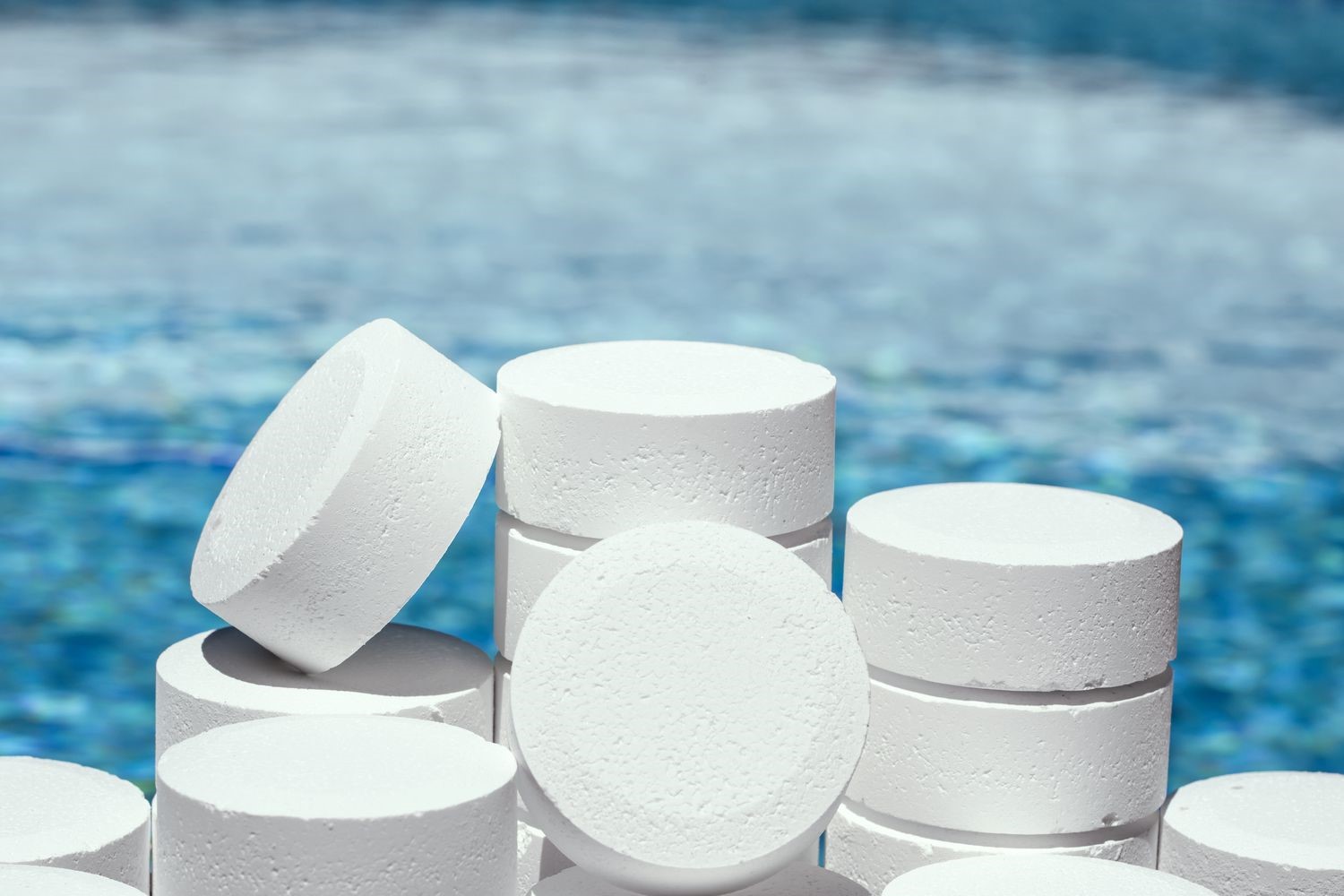
Calcium hypochlorite (Ca(OCl)₂) stands out as one of the most effective disinfectants available for commercial water treatment applications. This white granular compound releases chlorine when dissolved in water, creating a powerful oxidizing environment that eliminates algae spores, bacteria, and organic contaminants. Unlike liquid chlorine alternatives, calcium hypochlorite offers superior stability, longer shelf life, and higher available chlorine content typically ranging from 65% to 70%.
For fountain companies, this translates to consistent performance, reduced chemical handling frequency, and cost-effective maintenance protocols. The compound’s slow-dissolving nature ensures sustained chlorine release, providing continuous protection against algae colonization without requiring constant monitoring and adjustment.
The Science Behind Algae Prevention
Algae thrive in stagnant or slow-moving water environments where sunlight, nutrients, and warm temperatures create ideal growing conditions. Fountains, despite their circulating water systems, often experience periods of reduced flow or shutdown, creating perfect opportunities for algae establishment. Calcium hypochlorite disrupts this cycle through multiple mechanisms:
- Oxidative Damage: Free chlorine molecules attack algae cell walls, breaking down essential proteins and enzymes
- Photosynthesis Interference: Chlorine compounds inhibit chlorophyll production, preventing algae from generating energy
- Reproduction Prevention: Residual chlorine levels prevent spore germination and colony expansion
Professional Application Strategies for Fountain Companies
Dosage Determination and Water Testing
Successful algae prevention begins with accurate dosage calculation. Fountain companies must consider several variables including water volume, temperature, sunlight exposure, and existing contamination levels. Industry standards recommend maintaining free chlorine residuals between 1-3 ppm for decorative fountains, though heavily shaded or nutrient-rich environments may require higher concentrations.
Regular water testing proves essential for optimal results. Professional fountain maintenance teams should implement weekly testing protocols measuring:
- Free chlorine levels
- pH balance (ideal range: 7.2-7.6)
- Total alkalinity
- Calcium hardness
Integration with Existing Filtration Systems
Calcium hypochlorite works most effectively when integrated with proper mechanical filtration. Fountain companies should ensure their clients’ systems include adequate filtration capacity, typically rated at minimum one complete water turnover every 4-6 hours. Combining chemical treatment with physical filtration creates a comprehensive defense against algae while reducing overall chemical consumption.
For larger commercial installations, automated dosing systems can maintain consistent chlorine levels while minimizing manual intervention. These systems prove particularly valuable for fountain companies managing multiple client locations across different geographic regions.
Safety Considerations and Best Practices
Proper Storage and Handling
Calcium hypochlorite requires careful storage to maintain effectiveness and ensure workplace safety. The compound should be kept in cool, dry, well-ventilated areas away from direct sunlight and incompatible materials such as acids, ammonia, or organic compounds. Original containers must remain tightly sealed to prevent moisture absorption, which can degrade product quality and create hazardous conditions.
Fountain company personnel should receive comprehensive training on:
- Personal protective equipment requirements
- Emergency response procedures
- Spill containment protocols
- First aid measures for chemical exposure
Environmental Compliance and Regulations
Professional fountain companies must navigate various environmental regulations governing chemical discharge and water treatment. Calcium hypochlorite applications should comply with local wastewater discharge limits, particularly regarding chlorine residuals before water enters municipal systems or natural waterways. Many jurisdictions require dechlorination before discharge, typically using sodium thiosulfate or similar neutralizing agents.
Cost-Benefit Analysis for Business Operations
Long-Term Savings Through Preventive Treatment
While calcium hypochlorite represents an operational expense, preventive algae treatment delivers substantial long-term savings. Reactive algae removal often requires expensive equipment cleaning, water replacement, and potential system repairs. Studies indicate that proactive chemical treatment reduces overall maintenance costs by 40-60% compared to reactive approaches.
Fountain companies can position themselves as premium service providers by offering comprehensive water treatment packages that include regular calcium hypochlorite applications, testing, and system optimization. This approach creates recurring revenue streams while building client loyalty through consistent results.
Competitive Advantages in the Marketplace
Companies that master calcium hypochlorite application gain significant competitive advantages. Reliable algae prevention becomes a powerful selling point when bidding on commercial contracts, property management agreements, and municipal projects. Client testimonials highlighting crystal-clear water features serve as compelling marketing materials that differentiate services from competitors relying on inferior treatment methods.
Conclusion
Calcium hypochlorite represents an indispensable tool for fountain companies committed to delivering exceptional water feature maintenance. By understanding proper application methods, safety protocols, and integration strategies, businesses can transform algae prevention from a persistent challenge into a competitive advantage. The key lies in consistent implementation, regular monitoring, and ongoing education for maintenance teams.
Investing in quality calcium hypochlorite supplies and professional training pays dividends through reduced service calls, satisfied clients, and enhanced reputation within the industry. As water features continue growing in popularity across commercial and residential sectors, fountain companies equipped with reliable algae prevention solutions will lead the market.
Frequently Asked Questions (FAQ)
Q1: How often should calcium hypochlorite be applied to fountain systems?
A: Application frequency depends on water volume, environmental conditions, and usage patterns. Most commercial fountains require treatment 2-3 times weekly during peak season, reducing to weekly applications in cooler months. Regular water testing determines optimal scheduling.
Q2: Can calcium hypochlorite damage fountain equipment or surfaces?
A: When used at recommended concentrations, calcium hypochlorite is safe for most fountain materials including concrete, fiberglass, and stainless steel. However, prolonged exposure to high concentrations may affect certain metals. Always follow manufacturer guidelines and maintain proper pH balance.
Q3: What alternatives exist if calcium hypochlorite is unavailable?
A: Sodium hypochlorite (liquid bleach) and chlorine tablets offer alternative disinfection methods. However, calcium hypochlorite provides superior stability and higher available chlorine content, making it the preferred choice for professional fountain maintenance operations.
Q4: How long does calcium hypochlorite remain effective in storage?
A: Properly stored calcium hypochlorite maintains effectiveness for 2-3 years. Store in original containers, away from moisture, heat, and direct sunlight. Degraded product shows reduced chlorine content and may clump or change color.
Q5: Is professional certification required for handling calcium hypochlorite?
A: Regulations vary by jurisdiction. Many regions require chemical handling certification for commercial applications. Fountain companies should verify local requirements and ensure staff receive appropriate training before handling concentrated chlorine products.
Ready to elevate your fountain maintenance services with premium calcium hypochlorite solutions? Visit https://envochemical.com/contact-us/ to discuss your specific requirements and receive customized product recommendations.
