
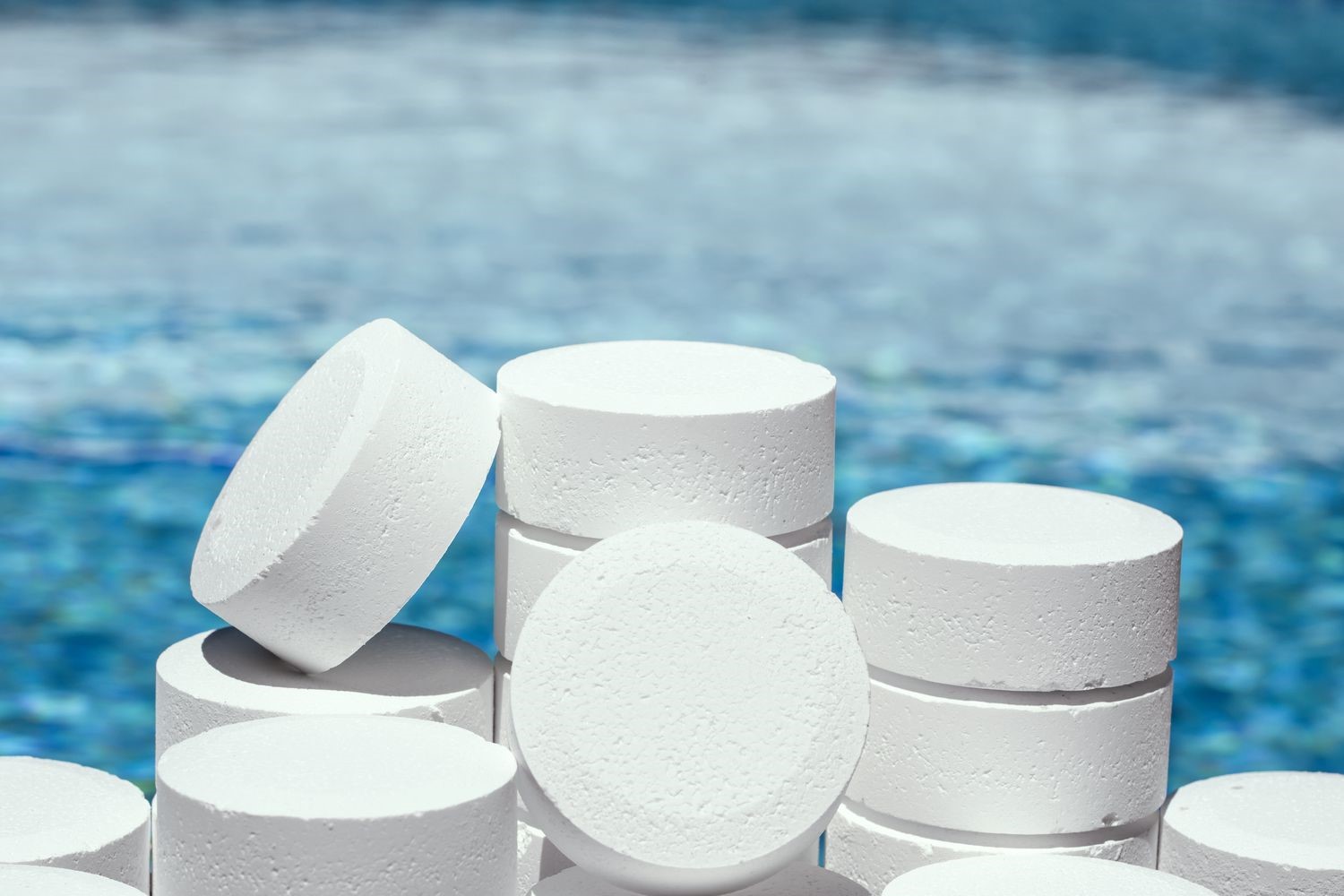
# Reliable Calcium Hypochlorite for Livestock Farms: Animal Safe Care Water
Author: Dr. Marcus Thornfield
Introduction: The Hidden Challenge in Livestock Water Management
After spending over fifteen years in the water treatment chemical industry, I’ve witnessed countless livestock farm operators struggle with a problem they don’t even realize exists. Contaminated water sources. It’s not the feed, not the ventilation, not even the breed genetics that often undermines animal health—it’s the water flowing through those troughs every single day.
Here’s what most farm managers don’t consider: livestock consume two to three times more water than feed by weight. When that water carries pathogens, algae, or biofilm buildup, you’re essentially poisoning your investment slowly. This is where calcium hypochlorite for livestock farms becomes not just a chemical choice, but a strategic decision that separates thriving operations from struggling ones.
In this comprehensive guide, I’ll walk you through everything you need to know about implementing animal safe care water systems using reliable calcium hypochlorite solutions. No marketing fluff—just practical insights from someone who’s tested these methods across hundreds of facilities.
Why Water Quality Directly Impacts Livestock Health and Profitability
The Invisible Cost of Poor Water Treatment
Let me share something that might surprise you. During a consultation with a 5,000-head cattle operation in Nebraska, we discovered their mortality rate dropped 18% within four months of implementing proper water disinfection protocols. The owner had been blaming genetics and feed quality. The real culprit? Bacterial contamination in their well water system.
Calcium hypochlorite livestock disinfection works by releasing chlorine when dissolved in water, creating hypochlorous acid—the same compound your immune system produces to fight infections. This isn’t harsh industrial chemistry; it’s mimicking nature’s own defense mechanisms at a controlled, safe concentration.
Key Benefits for Farm Operations
When you implement proper water treatment chemicals for animal farms, you’re addressing multiple pain points simultaneously:
- Pathogen elimination: Destroys E. coli, Salmonella, and other waterborne bacteria before they reach your animals
- Biofilm prevention: Stops slippery buildup in pipes and troughs that harbors dangerous microorganisms
- Algae control: Keeps storage tanks and open water sources clear and usable
- Odor reduction: Eliminates that swampy smell that indicates microbial activity
- Extended equipment life: Reduces corrosion and buildup in pumping systems
The ROI speaks for itself. A typical mid-sized poultry farm spends approximately $3,000-5,000 annually on proper water treatment. The same farm might lose $50,000+ in reduced weight gain, medication costs, and mortality from water-related issues. The math is straightforward.
Understanding Calcium Hypochlorite: Composition and Safety Profile
What Makes It Different from Other Chlorine Sources?
I’ve tested sodium hypochlorite, chlorine gas, and calcium hypochlorite across various farm settings. Here’s why calcium hypochlorite for animal water treatment consistently outperforms alternatives:
Stability: Unlike liquid bleach that degrades within weeks, calcium hypochlorite maintains 65-70% available chlorine for up to two years when stored properly. This matters when you’re ordering in bulk for quarterly operations.
Concentration efficiency: You need less product to achieve the same disinfection power. One kilogram treats approximately 10,000 liters to standard livestock safety levels.
Handling safety: In granular or tablet form, it’s significantly safer to transport and store than chlorine gas or concentrated liquid solutions. No special pressure vessels required.
Safety Considerations for Animal Applications
This is where experience matters. I’ve seen farms overdose their water systems trying to “be extra safe,” which creates its own problems. The key is understanding proper dosing for animal safe care water.
Recommended concentration levels:
- Poultry: 3-5 ppm free chlorine residual
- Swine: 2-4 ppm free chlorine residual
- Cattle: 2-5 ppm free chlorine residual
- Sheep/Goats: 2-4 ppm free chlorine residual
Always test your water after treatment. Chlorine test strips cost pennies but prevent thousand-dollar mistakes. Remember, the goal is disinfection without creating taste aversion that reduces water consumption.
Implementation Strategies for Different Farm Types
Poultry Operations: Precision Matters Most
Poultry are exceptionally sensitive to water quality variations. Their high metabolism means they drink constantly, and any contamination spreads through the house rapidly. I recommend automated dosing systems with calcium hypochlorite tablets for consistent delivery.
Install injection points after filtration but before the main distribution line. This ensures every nipple drinker receives treated water. Check residual chlorine at the furthest drinker from the injection point—if it’s below 2 ppm, increase your dosage slightly.
Swine Facilities: Managing High-Volume Systems
Swine operations present unique challenges with their flush systems and large water volumes. Here, bulk calcium hypochlorite in granular form makes more economic sense. Create a stock solution in a dedicated mixing tank, then inject into the main supply line.
One critical tip: treat water entering the facility, not just water in the troughs. Biofilm builds up in pipes between treatment points and animals, creating recontamination risks.
Cattle Ranches: Well Water and Storage Tank Solutions
For grazing operations with well water, shock treatment protocols work best. Monthly super-chlorination of storage tanks (10-20 ppm for 2-4 hours, then flush) prevents biofilm establishment. Daily maintenance dosing keeps water safe between shock treatments.
Open troughs need special attention. Sunlight and organic matter from animals create perfect algae conditions. Consider covering troughs where possible and maintaining 3-5 ppm residual chlorine.
Common Mistakes and How to Avoid Them
Overlooking pH Impact on Chlorine Effectiveness
This mistake costs farms more than they realize. Chlorine’s disinfection power drops dramatically as pH rises above 7.5. If your source water has high pH, you’re wasting product and getting poor results.
Test pH before dosing. If it’s above 7.5, consider acid injection before chlorine addition. This small adjustment can reduce your calcium hypochlorite consumption by 30-40% while improving disinfection.
Ignoring Organic Load in Water
Chlorine reacts with organic matter before it disinfects pathogens. Water with high turbidity or organic content needs pre-filtration. I’ve seen farms double their chlorine dosage trying to overcome dirty water when a simple sediment filter would solve the problem more economically.
Inconsistent Monitoring Protocols
Water quality isn’t static. Seasonal changes, rainfall, and well aquifer variations all affect what treatment your water needs. Establish weekly testing routines. Document everything. When problems arise, you’ll have data to diagnose issues quickly rather than guessing.
Storage and Handling Best Practices
Proper storage extends product life and maintains safety. Keep calcium hypochlorite in original containers, sealed tightly, in cool dry areas away from direct sunlight. Never store near organic materials, fuels, or acids—chemical reactions can occur.
Use dedicated measuring equipment. Cross-contamination from other chemicals creates unpredictable results. When mixing solutions, always add chemical to water, never water to chemical. This prevents dangerous splashing and exothermic reactions.
Train all staff on proper handling procedures. Personal protective equipment isn’t optional—gloves, eye protection, and dust masks when handling granular product protect your team and your liability exposure.
FAQ: Addressing Your Most Pressing Questions
Q: Will calcium hypochlorite affect meat or milk quality?
A: When used at proper concentrations, no. Chlorine dissipates naturally and doesn’t accumulate in animal tissue. Milk and meat testing consistently shows no residue when dosing follows recommended guidelines for animal safe care water.
Q: How often should I test water chlorine levels?
A: Minimum weekly for established systems. Daily during initial implementation or when source water conditions change. Invest in a quality test kit—it pays for itself in avoided problems.
Q: Can I use calcium hypochlorite with automatic watering systems?
A: Absolutely, and you should. Automated dosing ensures consistency that manual mixing can’t match. Just ensure your injection equipment is compatible with chlorine solutions (stainless steel or PVC, not certain rubber components).
Q: What’s the shelf life of calcium hypochlorite?
A: Properly stored, expect 24 months from manufacture date with minimal potency loss. After that, available chlorine gradually declines. Purchase from suppliers with good inventory turnover to ensure fresh product.
Q: Is calcium hypochlorite safe for organic certified operations?
A: This varies by certification body and region. Many organic standards allow chlorine for water disinfection with restrictions on residual levels. Check with your certifier before implementation.
Q: How do I calculate the correct dosage for my farm?
A: Start with water volume, desired ppm, and product concentration. Formula: (Gallons × ppm × 8.34) ÷ (Product % available chlorine × 10,000) = pounds of product needed. Better yet, work with a supplier who can provide customized calculations for your specific operation.
Final Thoughts: Making the Investment Decision
After working with livestock operations across multiple continents, I can tell you this with certainty: water treatment isn’t an expense—it’s insurance. The farms that thrive long-term are those that recognize reliable calcium hypochlorite for livestock farms as essential infrastructure, not optional chemistry.
Your animals depend on you for everything they consume. Feed gets careful attention. Veterinary care gets budgeted. Water deserves the same consideration. When you implement proper water treatment chemicals for animal farms, you’re not just treating water—you’re protecting your entire operation’s future.
The question isn’t whether you can afford to implement proper water disinfection. It’s whether you can afford not to.
Ready to optimize your livestock water treatment program? Reach out to discuss customized solutions for your specific operation requirements.
