
Reliable Calcium Hypochlorite for Livestock Farms: Solutions Chlorination
Introduction
In the modern agricultural landscape, maintaining biosecurity and ensuring clean water supplies are paramount concerns for livestock farm operators. Disease outbreaks can devastate entire herds, resulting in significant economic losses and compromised food safety. Calcium hypochlorite has emerged as a trusted, cost-effective solution for water disinfection and facility sanitization across poultry, swine, and cattle operations worldwide. This comprehensive guide explores how reliable calcium hypochlorite chlorination solutions can transform your livestock farm’s hygiene protocols while delivering measurable ROI.
Understanding Calcium Hypochlorite for Agricultural Applications
What Makes Calcium Hypochlorite Ideal for Livestock Farms?
Calcium hypochlorite (Ca(ClO)₂) is a powerful oxidizing agent containing 65-70% available chlorine. Unlike liquid bleach alternatives, this granular or tablet form offers superior stability, extended shelf life, and precise dosing capabilities. For livestock farm managers, these characteristics translate into consistent disinfection performance with minimal storage complications.
The compound releases hypochlorous acid when dissolved in water, effectively eliminating bacteria, viruses, fungi, and other pathogens that threaten animal health. Its broad-spectrum antimicrobial action makes it particularly valuable for preventing diseases such as avian influenza, swine fever, and bovine respiratory infections.
Key Advantages Over Alternative Disinfectants
| Feature | Calcium Hypochlorite | Sodium Hypochlorite | Chlorine Gas |
|---|---|---|---|
| Stability | High (2-3 years) | Low (3-6 months) | Requires special handling |
| Storage | Simple, dry conditions | Temperature sensitive | Pressurized cylinders |
| Dosing Precision | Excellent | Moderate | Complex equipment |
| Transportation | Non-hazardous classification | Corrosive liquid | Highly regulated |
| Cost Effectiveness | Superior | Moderate | High infrastructure cost |
Implementing Chlorination Solutions in Livestock Operations
Water Treatment Systems for Animal Consumption
Clean drinking water is fundamental to livestock health and productivity. Contaminated water sources can introduce pathogens directly into animal systems, compromising immunity and growth rates. Calcium hypochlorite chlorination provides reliable protection against waterborne diseases.
Recommended Dosage Guidelines:
- Poultry Operations: 2-5 ppm residual chlorine in drinking lines
- Swine Facilities: 3-6 ppm for optimal pathogen control
- Cattle Farms: 2-4 ppm maintaining palatability while ensuring safety
Regular monitoring of chlorine residual levels ensures effective disinfection without affecting water intake. Automated dosing systems can maintain consistent concentrations throughout distribution networks, reducing manual intervention and human error.
Facility Disinfection Protocols
Beyond water treatment, calcium hypochlorite solutions excel in facility sanitization. Between production cycles, thorough cleaning and disinfection of barns, equipment, and transport vehicles prevents disease carryover.
Best Practice Application Methods:
- Pre-cleaning: Remove organic matter through pressure washing
- Solution Preparation: Dissolve granular calcium hypochlorite to achieve 500-1000 ppm concentration
- Surface Application: Spray or fog all surfaces including walls, floors, and equipment
- Contact Time: Allow minimum 30 minutes for effective pathogen elimination
- Rinsing: Flush with clean water where animal contact occurs
Biosecurity Enhancement Strategies
Modern livestock farms face increasing biosecurity challenges from wildlife, visitors, and supply chain movements. Calcium hypochlorite-based foot baths, wheel dips, and handwashing stations create critical barriers against pathogen introduction.
Strategic placement of disinfection points at facility entrances, between production zones, and at loading areas establishes comprehensive biosecurity perimeters. Regular solution replacement maintains effectiveness, with concentration testing ensuring optimal performance.
Selecting Quality Calcium Hypochlorite Suppliers
Critical Quality Parameters
Not all calcium hypochlorite products deliver equivalent performance. B2B purchasers should evaluate suppliers based on several key criteria:
Available Chlorine Content: Premium products maintain 65-70% available chlorine, ensuring maximum disinfection power per unit. Lower grades require higher dosages, increasing overall costs.
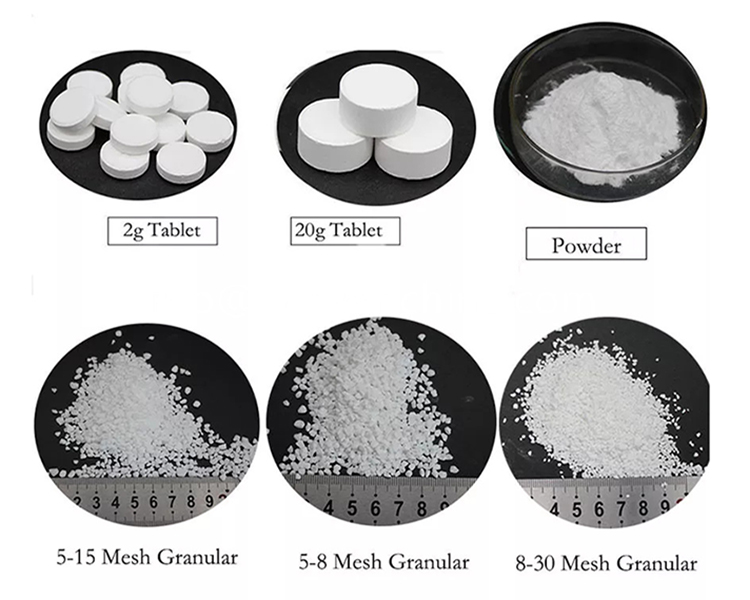
Physical Form: Choose between granular (14-50 mesh) for bulk dissolution systems or tablets for automated feeders and small-scale applications. Both forms offer distinct advantages depending on operational requirements.
Stability Assurance: Quality manufacturers implement proper packaging with moisture barriers, preserving product integrity during storage and transportation. Certificates of Analysis should confirm specifications match labeled claims.
Regulatory Compliance and Safety Documentation
Reputable suppliers provide comprehensive documentation including:
- Safety Data Sheets (SDS) compliant with GHS standards
- Certificate of Analysis for each production batch
- UN transportation classification (UN 2880, Class 5.1)
- CAS Number verification (7778-54-3)
- HS Code documentation for international trade (28281000)
These documents facilitate regulatory compliance, safe handling protocols, and smooth customs clearance for import operations.
Economic Benefits and ROI Analysis
Cost Comparison Framework
Investing in quality calcium hypochlorite delivers substantial long-term savings compared to disease outbreak costs. Consider the following economic factors:
Direct Cost Savings:
- Reduced veterinary expenses through disease prevention
- Lower mortality rates improving overall herd productivity
- Decreased medication usage supporting antibiotic reduction initiatives
- Extended equipment lifespan through proper sanitization
Indirect Benefits:
- Enhanced biosecurity ratings improving market access
- Improved animal welfare metrics meeting consumer expectations
- Reduced insurance premiums with documented safety protocols
- Stronger brand reputation for food safety commitment
Calculating Your Farm’s Potential Savings
A typical 10,000-bird poultry operation spending $500 monthly on calcium hypochlorite can prevent disease outbreaks costing $50,000 or more. The return on investment becomes evident when comparing prevention costs against potential losses from mortality, treatment, and production interruptions.
Frequently Asked Questions (FAQ)
Q1: How long does calcium hypochlorite remain effective in storage?
A: Properly stored in cool, dry conditions away from direct sunlight, calcium hypochlorite maintains potency for 2-3 years. Moisture exposure accelerates decomposition, so ensure packaging remains sealed between uses.
Q2: Can calcium hypochlorite be used in organic livestock operations?
A: Regulations vary by certification body and region. Many organic standards permit calcium hypochlorite for water disinfection and facility sanitization with specific concentration limits. Consult your certifying agency for approved usage guidelines.
Q3: What safety precautions should workers follow when handling calcium hypochlorite?
A: Always wear appropriate PPE including gloves, eye protection, and respiratory masks when handling dry product. Avoid mixing with acids or ammonia-based cleaners, which can release toxic gases. Ensure adequate ventilation in storage and mixing areas.
Q4: How do I determine the correct dosage for my specific operation?
A: Dosage depends on water quality, contamination levels, and application method. Conduct water testing to establish baseline conditions, then adjust concentrations based on residual chlorine measurements. Professional consultation ensures optimal dosing for your circumstances.
Q5: Is calcium hypochlorite safe for animals when used correctly?
A: Yes, when applied according to recommended guidelines, calcium hypochlorite poses no risk to livestock. Proper dosing ensures effective disinfection while maintaining water palatability and animal health.
Q6: What distinguishes premium calcium hypochlorite from standard grades?
A: Premium products offer higher available chlorine content (70% vs 65%), superior stability, consistent particle size, and comprehensive quality documentation. These factors translate into more reliable performance and reduced total cost of ownership.
Conclusion
Reliable calcium hypochlorite represents a cornerstone investment for livestock farms committed to biosecurity excellence and operational efficiency. From water treatment to facility disinfection, this versatile compound delivers proven pathogen control while supporting sustainable production practices.
Partnering with qualified suppliers ensures consistent product quality, regulatory compliance, and technical support for optimal implementation. As disease pressures intensify and consumer expectations evolve, proactive chlorination solutions position your operation for long-term success.
Ready to enhance your livestock farm’s disinfection protocols? Explore comprehensive calcium hypochlorite solutions tailored to your specific operational requirements. Contact our team today to discuss customized chlorination strategies that protect your animals, optimize your budget, and strengthen your market position.
Looking for reliable calcium hypochlorite suppliers for your livestock operation? Visit our contact page to connect with experienced specialists who understand your unique disinfection challenges and can provide tailored solutions for your farm’s success.
