
Reliable Calcium Hypochlorite for Livestock Farms: Solutions Chlorination
Introduction
In the modern agricultural landscape, biosecurity has become a cornerstone of successful livestock operations. The prevention of disease outbreaks through effective disinfection protocols directly impacts animal health, productivity, and ultimately, farm profitability. Among the various disinfection solutions available, calcium hypochlorite stands out as a reliable, cost-effective, and scientifically proven chlorination agent for livestock farm applications.
This comprehensive technical guide explores the critical role of calcium hypochlorite in livestock farm disinfection, providing detailed specifications, performance data, and industry-standard compliance information to help agricultural professionals make informed purchasing decisions.
Understanding Calcium Hypochlorite for Agricultural Applications
Chemical Composition and Properties
Calcium hypochlorite (Ca(ClO)₂) is an inorganic compound with the CAS number 7778-54-3. This powerful oxidizing agent releases chlorine when dissolved in water, creating hypochlorous acid (HOCl) – the active disinfecting component responsible for eliminating pathogens.
Key Physical Properties:
| Parameter | Specification |
|---|---|
| Molecular Formula | Ca(ClO)₂ |
| Molecular Weight | 142.98 g/mol |
| Available Chlorine Content | 65%-70% |
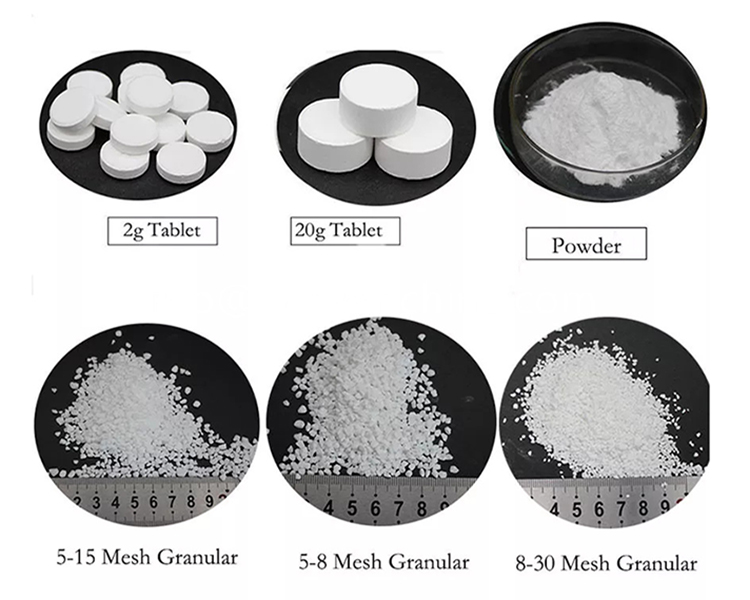
| Appearance | White granular or tablet form |
| Density | 2.35 g/cm³ |
| Melting Point | 100°C |
| Solubility in Water | Soluble |
| pH of Solution | 10-11 (alkaline) |
| Shelf Life | 24-36 months (proper storage) |
Why Calcium Hypochlorite for Livestock Farms?
The selection of disinfection agents for livestock facilities requires careful consideration of efficacy, safety, cost, and regulatory compliance. Calcium hypochlorite offers several distinct advantages:
- High Available Chlorine Content: With 65%-70% available chlorine, calcium hypochlorite provides superior disinfection power compared to sodium hypochlorite (typically 10-15% available chlorine)
- Extended Stability: Properly stored calcium hypochlorite maintains its potency significantly longer than liquid chlorine solutions, reducing waste and ensuring consistent performance
- Cost-Effectiveness: The concentrated form requires smaller quantities per application, resulting in lower transportation and storage costs
- Versatile Application Methods: Suitable for water treatment, surface disinfection, equipment sanitization, and footbath solutions
Technical Specifications and Performance Data
Grade Classifications for Agricultural Use
Calcium hypochlorite is available in multiple grades, each suited for specific applications within livestock operations:
Technical Grade (65%-70% Available Chlorine)
- Primary application: Water disinfection and general farm sanitization
- Particle size: 8-20 mesh granules or 200g tablets
- Moisture content: ≤5%
- Insoluble matter: ≤0.5%
Premium Grade (70%+ Available Chlorine)
- Primary application: Critical biosecurity zones and high-risk areas
- Enhanced stability with reduced decomposition rate
- Lower impurity levels for sensitive applications
Disinfection Efficacy Data
Research demonstrates calcium hypochlorite’s effectiveness against common livestock pathogens:
| Pathogen Type | Required Concentration | Contact Time | Reduction Rate |
|---|---|---|---|
| E. coli | 50-100 ppm | 10 minutes | >99.9% |
| Salmonella spp. | 100-200 ppm | 15 minutes | >99.9% |
| Campylobacter | 100-150 ppm | 10 minutes | >99.5% |
| Influenza Virus | 200-500 ppm | 30 minutes | >99.9% |
| Foot-and-Mouth Disease Virus | 200-400 ppm | 30 minutes | >99.9% |
| Aspergillus spp. | 500-1000 ppm | 60 minutes | >99% |
Data compiled from EPA-registered disinfection protocols and veterinary biosecurity studies
Water Treatment Parameters
For livestock drinking water disinfection, the following parameters ensure optimal safety and efficacy:
Recommended Dosage Guidelines:
| Water Quality | Chlorine Dosage | Residual Target |
|---|---|---|
| Clean groundwater | 2-5 ppm | 0.5-1.0 ppm |
| Surface water | 5-10 ppm | 1.0-2.0 ppm |
| High organic load | 10-20 ppm | 2.0-3.0 ppm |
| Emergency disinfection | 20-50 ppm | 3.0-5.0 ppm |
Important Note: Always test water quality before treatment and adjust dosage accordingly. Excessive chlorine levels can affect animal water consumption and health.
Industry Standards and Regulatory Compliance
International Standards
Calcium hypochlorite products for agricultural use must comply with multiple international standards:
ISO Standards:
- ISO 9001:2015 – Quality Management Systems
- ISO 14001:2015 – Environmental Management Systems
- ISO 45001:2018 – Occupational Health and Safety
EPA Requirements (United States):
- EPA Registration Number required for disinfectant claims
- Compliance with FIFRA (Federal Insecticide, Fungicide, and Rodenticide Act)
- Proper labeling with active ingredient percentages and usage instructions
EU Regulations:
- Compliance with Biocidal Products Regulation (BPR) EU 528/2012
- REACH registration for chemical substances
- CE marking for applicable product categories
Agricultural Industry Certifications
Leading calcium hypochlorite manufacturers maintain certifications specific to agricultural applications:
- NSF/ANSI 60: Drinking Water Treatment Chemicals
- NSF/ANSI 61: Drinking Water System Components
- OMRI Listed: For organic farming operations (specific formulations)
- GMP Certification: Good Manufacturing Practice for chemical production
Storage and Handling Standards
Proper storage is critical for maintaining product efficacy and ensuring safety:
Storage Requirements:
- Temperature: Store between 15-25°C (59-77°F)
- Humidity: Maintain relative humidity below 70%
- Ventilation: Well-ventilated area with adequate air circulation
- Separation: Keep away from organic materials, acids, and reducing agents
- Container: Original sealed containers with moisture-proof liners
Safety Data Sheet (SDS) Compliance: All products must include comprehensive SDS documentation following GHS (Globally Harmonized System) standards, including:
- Hazard identification
- Composition and ingredient information
- First-aid measures
- Fire-fighting measures
- Accidental release measures
- Handling and storage guidelines
- Exposure controls and personal protection
Application Protocols for Livestock Facilities
Water Line Disinfection
Step-by-Step Protocol:
- System Flushing: Flush water lines with clean water to remove debris
- Solution Preparation: Dissolve calcium hypochlorite in water at recommended concentration
- Application: Introduce solution into water system using dosing pump
- Contact Time: Maintain solution in lines for minimum 30 minutes
- Flushing: Flush system with clean water until chlorine residual is acceptable
- Testing: Verify chlorine levels before allowing animal access
Recommended Frequency:
- Routine maintenance: Monthly
- Between production cycles: Mandatory
- After disease outbreak: Immediate and repeated treatment
Surface and Equipment Disinfection
Preparation Guidelines:
| Surface Type | Concentration | Application Method |
|---|---|---|
| Concrete floors | 500-1000 ppm | Spray or mop |
| Metal equipment | 200-500 ppm | Immersion or spray |
| Plastic fixtures | 200-500 ppm | Spray or wipe |
| Wooden structures | 500-1000 ppm | Spray (avoid saturation) |
| Vehicle tires | 1000-2000 ppm | Footbath or spray |
Critical Success Factors:
- Pre-clean surfaces to remove organic matter
- Ensure adequate contact time (minimum 15 minutes)
- Apply at recommended temperatures (15-25°C optimal)
- Reapply after heavy contamination events
Footbath Solutions
Footbaths represent a critical biosecurity checkpoint for livestock facilities:
Standard Footbath Protocol:
- Concentration: 500-1000 ppm available chlorine
- Depth: Minimum 10 cm to ensure hoof coverage
- Replacement: Daily or when visibly contaminated
- Location: All entry and exit points of animal housing
Economic Considerations for Farm Operations
Cost-Benefit Analysis
Investing in quality calcium hypochlorite delivers measurable returns:
Direct Cost Savings:
- Reduced veterinary expenses through disease prevention
- Lower mortality rates across production cycles
- Decreased medication costs
- Improved feed conversion ratios
Indirect Benefits:
- Enhanced biosecurity reputation
- Compliance with buyer requirements
- Reduced downtime between production cycles
- Lower insurance premiums for certified operations
Bulk Purchasing Advantages
For commercial livestock operations, bulk purchasing offers significant advantages:
| Order Quantity | Price Advantage | Storage Consideration |
|---|---|---|
| 1-5 tons | Standard pricing | Minimal storage needed |
| 5-20 tons | 5-10% discount | Dedicated storage area required |
| 20+ tons | 10-15% discount | Warehouse facilities necessary |
Recommendation: Establish long-term supply agreements to secure favorable pricing and ensure consistent product availability.
Quality Assurance and Supplier Selection
Key Supplier Evaluation Criteria
When selecting a calcium hypochlorite supplier, consider the following factors:
Product Quality Indicators:
- Consistent available chlorine content (±1% tolerance)
- Low moisture content for extended shelf life
- Uniform particle size for reliable dissolution
- Comprehensive batch testing documentation
Supplier Credentials:
- Manufacturing capacity and production consistency
- Export experience and international certifications
- Technical support availability
- Emergency supply capabilities
Logistics Capabilities:
- Proper hazardous material handling
- Temperature-controlled transportation options
- Flexible delivery schedules
- Regional distribution networks
Testing and Verification
Implement regular product testing to ensure consistent quality:
Recommended Testing Frequency:
- Incoming product verification: Every batch
- In-storage monitoring: Quarterly
- Pre-application testing: Before critical applications
Key Test Parameters:
- Available chlorine content (iodometric titration)
- Moisture content (gravimetric analysis)
- pH of solution
- Insoluble matter content
Environmental and Safety Considerations
Environmental Impact Management
Responsible calcium hypochlorite use minimizes environmental impact:
Best Practices:
- Apply only recommended dosages
- Prevent runoff into natural water bodies
- Properly dispose of empty containers
- Monitor chlorine residual in wastewater
Regulatory Compliance:
- Follow local environmental protection regulations
- Maintain discharge permits where required
- Document all chemical usage for audit purposes
Worker Safety Protocols
Protect farm personnel with comprehensive safety measures:
Personal Protective Equipment (PPE):
- Chemical-resistant gloves
- Safety goggles or face shield
- Protective clothing
- Respiratory protection for dust exposure
Training Requirements:
- SDS review and understanding
- Proper mixing procedures
- Emergency response protocols
- First-aid training for chemical exposure
Frequently Asked Questions (FAQ)
Q1: What is the shelf life of calcium hypochlorite for livestock farm use?
A: Properly stored calcium hypochlorite maintains efficacy for 24-36 months. Store in cool, dry conditions below 25°C with relative humidity under 70%. Decomposition accelerates with heat, moisture, and sunlight exposure.
Q2: Can calcium hypochlorite be used in organic livestock operations?
A: Specific formulations may be approved for organic operations. Verify OMRI listing or equivalent organic certification before use. Always consult your organic certifier for approved products and application rates.
Q3: How do I calculate the correct dosage for my water system?
A: Dosage depends on water quality, system volume, and target residual. General formula: Dosage (kg) = Volume (L) × Target ppm ÷ (Available Chlorine % × 10,000). Conduct water testing and adjust based on actual chlorine demand.
Q4: What are the signs of calcium hypochlorite degradation?
A: Indicators include: strong chlorine odor from container, clumping or caking, discoloration from white to yellow/brown, reduced disinfection efficacy. Test available chlorine content if degradation is suspected.
Q5: Is calcium hypochlorite safe for all livestock species?
A: When used at recommended concentrations, calcium hypochlorite is safe for cattle, swine, poultry, and sheep. However, some species (particularly poultry) are more sensitive to chlorine. Always verify species-specific guidelines and monitor animal water consumption.
Q6: How should I handle calcium hypochlorite spills?
A: Isolate the area, wear appropriate PPE, contain the spill with inert absorbent material, collect for proper disposal, and ventilate the area. Never mix with acids or organic materials. Contact emergency services for large spills.
Q7: Can I mix calcium hypochlorite with other disinfectants?
A: No. Never mix calcium hypochlorite with other chemicals, especially acids, ammonia, or other disinfectants. Dangerous reactions can produce toxic gases or cause explosions. Use products separately with adequate rinsing between applications.
Q8: What documentation should I request from suppliers?
A: Request: Certificate of Analysis (CoA) for each batch, current Safety Data Sheet (SDS), regulatory compliance certificates, manufacturing date and expiry information, and batch traceability documentation.
Conclusion
Calcium hypochlorite remains a cornerstone of effective livestock farm biosecurity programs worldwide. Its proven efficacy, cost-effectiveness, and regulatory compliance make it an ideal choice for agricultural operations seeking reliable disinfection solutions.
By understanding technical specifications, following industry standards, and implementing proper application protocols, livestock producers can maximize the benefits of calcium hypochlorite while ensuring animal health, worker safety, and environmental responsibility.
For detailed product specifications, bulk pricing, and technical support tailored to your livestock operation, we invite you to explore our comprehensive solutions designed specifically for agricultural biosecurity challenges.
This technical guide is intended for informational purposes. Always follow manufacturer instructions, local regulations, and veterinary guidance when implementing disinfection protocols. Product specifications may vary by manufacturer and region.—
Ready to Enhance Your Farm’s Biosecurity?
Discover premium-grade calcium hypochlorite solutions engineered for livestock farm applications. Our technical team stands ready to provide customized recommendations based on your specific operation requirements.
Contact Us for Product Information and Quotations
Article Published: March 2026 | Technical Review Current as of Q1 2026
