
Reliable Calcium Hypochlorite for Livestock Farms: Solutions Safe Chlorination Water Animal
Introduction
Water quality stands as one of the most critical yet often overlooked factors in modern livestock farming operations. Every day, animals consume significant volumes of water, making disinfection and sanitation essential for maintaining herd health, preventing disease outbreaks, and ensuring optimal production outcomes. Among various water treatment solutions available in the market, calcium hypochlorite has emerged as a reliable, cost-effective, and scientifically proven choice for agricultural water chlorination.
This comprehensive guide explores how calcium hypochlorite delivers safe, effective water disinfection specifically designed for livestock farm applications. Whether you manage poultry operations, dairy facilities, swine farms, or cattle ranches, understanding proper chlorination protocols can transform your animal health management strategy while protecting your investment.
Understanding Calcium Hypochlorite for Agricultural Applications
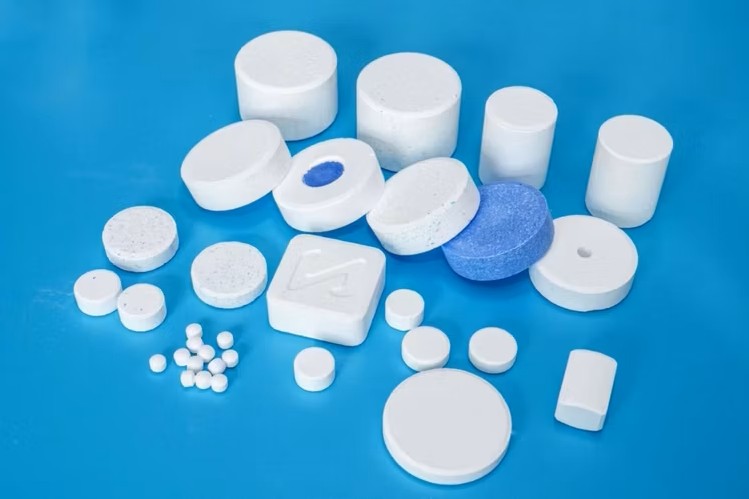
Calcium hypochlorite, chemically represented as Ca(ClO)₂, is a powerful oxidizing agent widely recognized for its exceptional disinfection capabilities. This white granular or tablet compound releases chlorine when dissolved in water, creating hypochlorous acid that effectively eliminates harmful microorganisms including bacteria, viruses, and algae.
For livestock farming operations, calcium hypochlorite offers several distinct advantages over alternative disinfection methods. The compound maintains stability during storage, provides consistent chlorine concentration, and delivers long-lasting residual protection throughout water distribution systems. With typical available chlorine content ranging from 65% to 70%, it ensures efficient dosing while minimizing handling requirements compared to liquid alternatives.
Why Livestock Farms Need Reliable Water Disinfection
Contaminated water sources pose significant risks to animal health and farm profitability. Pathogens present in untreated water can trigger widespread disease outbreaks, reduce feed conversion efficiency, compromise immune systems, and ultimately diminish production yields. Common waterborne threats include E. coli, Salmonella, Campylobacter, and various parasitic organisms that thrive in stagnant or poorly maintained water systems.
Implementing proper chlorination protocols using calcium hypochlorite creates a protective barrier against these biological contaminants. The residual chlorine effect continues working throughout piping networks, preventing biofilm formation and maintaining water quality from source to drinking point. This continuous protection proves especially valuable in large-scale operations where water travels considerable distances through complex distribution infrastructure.
Safety Standards and Compliance Guidelines
Responsible calcium hypochlorite application requires adherence to established safety standards and regulatory guidelines. International agricultural organizations recommend maintaining free chlorine residuals between 0.2 to 0.5 ppm in livestock drinking water, ensuring effective disinfection without causing animal discomfort or health concerns.
Before implementing any water treatment program, farm operators should conduct comprehensive water quality testing to determine baseline contamination levels, pH values, and organic load. This information enables precise dosing calculations that optimize disinfection efficiency while avoiding over-chlorination. Regular monitoring schedules help maintain consistent treatment levels and identify potential system issues before they impact animal health.
Storage and handling protocols demand equal attention to safety considerations. Calcium hypochlorite should remain in original sealed containers, stored in cool, dry, well-ventilated areas away from direct sunlight and incompatible materials. Proper personal protective equipment including gloves, eye protection, and respiratory masks must be worn during handling procedures to prevent accidental exposure.
Application Methods for Optimal Results
Successful calcium hypochlorite implementation depends on selecting appropriate application methods suited to specific farm infrastructure and operational requirements. Three primary dosing approaches serve different livestock farming scenarios:
Direct Injection Systems: Automated dosing pumps introduce precise calcium hypochlorite solutions directly into water lines, providing consistent treatment levels with minimal manual intervention. This method works exceptionally well for large operations requiring continuous disinfection across multiple buildings or zones.
Batch Treatment: For smaller facilities or temporary treatment needs, pre-dissolved calcium hypochlorite solutions can be added to water storage tanks in calculated quantities. This approach offers flexibility while maintaining effective chlorine concentrations throughout the treatment period.
Tablet Feeders: Slow-release tablet dispensers provide steady chlorine output for trough-based watering systems. These devices require less frequent maintenance and deliver reliable protection for grazing livestock or pasture-based operations.
Regardless of chosen methodology, regular system calibration and maintenance ensure accurate dosing and prevent equipment malfunctions that could compromise water quality.
Benefits for Animal Health and Production Performance
Implementing calcium hypochlorite water disinfection delivers measurable improvements across multiple production metrics. Research demonstrates that clean drinking water enhances feed intake, improves nutrient absorption, and supports stronger immune function throughout animal growth cycles.
Poultry operations report reduced mortality rates and better weight gain when switching from untreated to properly chlorinated water sources. Dairy farms observe decreased mastitis incidence and improved milk quality parameters. Swine producers note fewer gastrointestinal issues and enhanced overall herd vitality. These improvements translate directly into improved profitability and reduced veterinary intervention costs.
Beyond immediate health benefits, consistent water disinfection contributes to biosecurity protocols by minimizing disease transmission risks between animal groups and preventing pathogen introduction through water sources. This protective measure becomes increasingly valuable during disease outbreak scenarios or when introducing new stock to existing populations.
Cost-Effectiveness and Return on Investment
When evaluating water treatment options, calcium hypochlorite presents compelling economic advantages for livestock farming operations. The high available chlorine content means smaller quantities achieve desired disinfection levels compared to alternative products, reducing per-treatment costs significantly.
Long-term storage stability minimizes product waste and eliminates concerns about degradation during extended inventory periods. Bulk purchasing options further improve cost efficiency for large-scale operations with consistent treatment requirements. When factoring in reduced veterinary expenses, improved production performance, and decreased mortality rates, the return on investment becomes clearly evident within relatively short timeframes.
Operational efficiency gains also contribute to overall cost savings. Automated dosing systems reduce labor requirements while ensuring consistent treatment levels without constant manual monitoring. This automation frees staff resources for other critical farm management tasks while maintaining reliable water quality standards.
Storage and Handling Best Practices
Proper storage and handling procedures protect both product integrity and personnel safety. Calcium hypochlorite containers should remain tightly sealed when not in use, preventing moisture absorption that could trigger premature decomposition. Storage areas must maintain temperatures below 30°C and avoid contact with organic materials, acids, or reducing agents that could cause dangerous reactions.
Inventory management should follow first-in-first-out principles to ensure product freshness and maximum effectiveness. Regular inspection of storage conditions helps identify potential issues before they compromise product quality or create safety hazards. Training programs for handling personnel reinforce proper procedures and emergency response protocols.
Conclusion
Reliable calcium hypochlorite solutions represent a proven, cost-effective approach to livestock farm water disinfection that delivers measurable improvements in animal health, production performance, and operational efficiency. By implementing proper chlorination protocols guided by safety standards and application best practices, farm operators can protect their investments while ensuring optimal water quality for their animals.
The decision to invest in quality water treatment reflects commitment to animal welfare and sustainable farming practices. As industry standards continue evolving and consumer expectations increase, proactive water management positions operations for long-term success in competitive agricultural markets.
Frequently Asked Questions
Q: What chlorine concentration is safe for livestock drinking water?
A: Most agricultural guidelines recommend maintaining free chlorine residuals between 0.2 to 0.5 ppm. This range provides effective disinfection while remaining safe for all livestock species.
Q: How often should water quality be tested when using calcium hypochlorite?
A: Initial testing should occur before treatment implementation, followed by weekly monitoring during the first month. Once stable levels are achieved, monthly testing typically suffices for ongoing compliance.
Q: Can calcium hypochlorite be used with all livestock species?
A: Yes, properly dosed calcium hypochlorite is safe for poultry, cattle, swine, sheep, and other common livestock species when applied according to recommended guidelines.
Q: What is the shelf life of calcium hypochlorite products?
A: When stored properly in sealed containers under recommended conditions, calcium hypochlorite maintains effectiveness for 12 to 24 months from manufacture date.
Q: How do I calculate proper dosing for my farm’s water system?
A: Dosing calculations depend on water volume, flow rate, and contamination levels. Professional water testing combined with manufacturer guidelines provides accurate dosing recommendations for specific operations.
Ready to optimize your livestock farm water quality with reliable calcium hypochlorite solutions? Visit https://envochemical.com/contact-us/ to discuss your specific requirements and receive customized treatment recommendations from our experienced team.
