
Reliable Exporters SDIC Suppliers for Pharmaceutical Businesses
Introduction
In the rapidly evolving pharmaceutical industry, maintaining stringent quality standards while ensuring cost-effective supply chains is paramount. Sodium Dichloroisocyanurate (SDIC), with CAS number 2893-78-9, has emerged as a critical chemical compound for pharmaceutical manufacturing, water treatment, and disinfection processes. Finding reliable exporters and SDIC suppliers who understand the unique requirements of pharmaceutical businesses is essential for operational success. This comprehensive guide explores what pharmaceutical companies should look for when selecting SDIC suppliers, industry standards, and how to establish productive partnerships with trusted exporters.
Understanding SDIC in Pharmaceutical Applications
What is Sodium Dichloroisocyanurate?
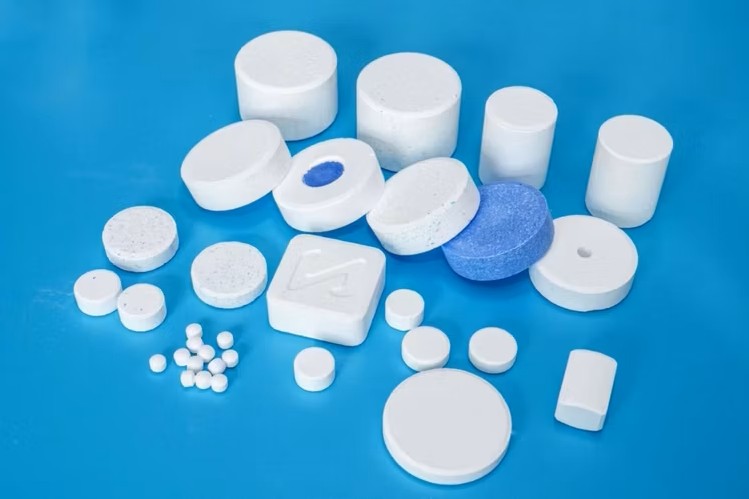
Sodium Dichloroisocyanurate (SDIC) is a high-efficiency, broad-spectrum organic chlorine-containing disinfectant and sterilizing agent. It appears as a white crystalline powder or granular material with an effective chlorine content ranging from 56% to 60%. The chemical formula C₃Cl₂N₃NaO₃ represents this powerful oxidizing agent that releases hypochlorous acid when dissolved in water, providing exceptional antimicrobial properties.
Key Applications in Pharmaceutical Manufacturing
Pharmaceutical businesses utilize SDIC across multiple operational areas:
Facility Disinfection: SDIC serves as an effective solution for maintaining sterile environments in manufacturing facilities, laboratories, and clean rooms. Its broad-spectrum germicidal capabilities ensure comprehensive protection against bacteria, viruses, and fungi.
Water Treatment Systems: Pharmaceutical water systems require rigorous purification protocols. SDIC helps maintain water quality standards by eliminating microbial contaminants in process water and cooling systems.
Equipment Sterilization: Manufacturing equipment and containers demand thorough sterilization between production runs. SDIC provides reliable disinfection without leaving harmful residues that could compromise product integrity.
Raw Material Processing: Certain pharmaceutical formulations incorporate SDIC as an active ingredient or processing aid, particularly in topical antiseptic preparations and sanitizing solutions.
Critical Factors When Selecting SDIC Suppliers
Quality Certification and Compliance
Reliable exporters must demonstrate compliance with international quality standards. Pharmaceutical businesses should verify that SDIC suppliers hold relevant certifications including:
- ISO 9001 Quality Management System certification
- GMP (Good Manufacturing Practice) compliance
- REACH registration for European markets
- FDA facility registration for US-bound products
- Third-party testing reports from accredited laboratories
Supply Chain Reliability and Capacity
Consistent supply is crucial for pharmaceutical operations. Evaluate potential SDIC suppliers based on:
Production Capacity: Ensure the supplier can meet your volume requirements consistently, with ability to scale during peak demand periods.
Inventory Management: Reliable exporters maintain adequate stock levels to prevent supply disruptions. Ask about their inventory policies and backup supply arrangements.
Lead Times: Clear communication about production and shipping timelines helps pharmaceutical businesses plan their operations effectively.
Geographic Location: Consider shipping distances and logistics complexity. Suppliers with experience in international pharmaceutical exports understand documentation requirements and customs procedures.
Technical Support and Documentation
Professional SDIC suppliers provide comprehensive technical support including:
- Detailed Safety Data Sheets (SDS)
- Certificate of Analysis (CoA) for each batch
- Stability data and storage recommendations
- Application guidance specific to pharmaceutical uses
- Regulatory compliance documentation for target markets
Industry Challenges and Solutions
Quality Consistency Concerns
Challenge: Variations in SDIC quality can compromise pharmaceutical manufacturing processes and product safety.
Solution: Partner with suppliers who implement rigorous quality control protocols throughout production. Request batch-specific testing results and establish clear quality specifications in supply agreements. Consider implementing incoming quality testing procedures at your facility.
Regulatory Compliance Complexity
Challenge: Different markets have varying regulatory requirements for chemical imports in pharmaceutical applications.
Solution: Work with experienced exporters who understand regional regulations. They should provide necessary documentation including import permits, customs declarations, and compliance certificates. Maintain open communication about regulatory changes affecting your markets.
Supply Chain Disruptions
Challenge: Global events can disrupt chemical supply chains, affecting pharmaceutical production schedules.
Solution: Develop relationships with multiple qualified SDIC suppliers across different regions. Maintain strategic inventory buffers and establish clear communication protocols for early warning of potential disruptions. Consider long-term supply agreements with reliable partners.
Building Long-Term Supplier Partnerships
Establishing Clear Communication Channels
Successful pharmaceutical-supplier relationships depend on transparent communication. Designate specific contact persons on both sides, establish regular review meetings, and create protocols for addressing quality issues or supply concerns promptly.
Performance Monitoring and Evaluation
Implement supplier performance metrics including:
- On-time delivery rates
- Quality compliance percentages
- Response time to inquiries
- Documentation accuracy
- Problem resolution effectiveness
Regular performance reviews help identify improvement opportunities and strengthen partnerships.
Continuous Improvement Collaboration
Leading SDIC suppliers welcome feedback and collaborate on process improvements. Share your specific requirements, challenge them to innovate, and work together on optimizing packaging, delivery schedules, and quality parameters.
Conclusion
Selecting reliable exporters and SDIC suppliers for pharmaceutical businesses requires careful evaluation of quality standards, supply chain capabilities, regulatory compliance, and technical support. The right supplier partnership contributes significantly to operational efficiency, product quality, and regulatory compliance. By understanding SDIC applications, establishing clear selection criteria, and building collaborative relationships, pharmaceutical companies can secure dependable supply chains that support their manufacturing excellence.
Invest time in supplier qualification, maintain open communication, and prioritize quality over price alone. The pharmaceutical industry demands nothing less than exceptional reliability, and your SDIC supplier should reflect that commitment in every aspect of their service.
Frequently Asked Questions (FAQ)
Q1: What is the typical shelf life of SDIC for pharmaceutical applications?
A: Properly stored SDIC typically maintains stability for 12-24 months. Storage conditions should include cool, dry, well-ventilated areas away from direct sunlight and moisture. Always verify specific shelf life with your supplier’s Certificate of Analysis.
Q2: How do I verify the quality of SDIC from international suppliers?
A: Request third-party laboratory testing reports, Certificates of Analysis for each batch, and quality certification documents. Consider implementing incoming quality testing at your facility and conduct periodic supplier audits when feasible.
Q3: What documentation is required for importing SDIC for pharmaceutical use?
A: Required documentation typically includes Commercial Invoice, Packing List, Bill of Lading, Certificate of Analysis, Safety Data Sheet, and relevant import permits. Specific requirements vary by destination country, so consult with your supplier’s export department.
Q4: Can SDIC suppliers provide custom packaging for pharmaceutical businesses?
A: Many reliable exporters offer customized packaging solutions including specific container sizes, labeling requirements, and protective packaging. Discuss your needs during supplier qualification to ensure they can accommodate your specifications.
Q5: What should I do if I receive SDIC that doesn’t meet specifications?
A: Immediately document the issue with photos and test results, notify your supplier within the agreed timeframe, and follow the established quality dispute resolution protocol. Reputable suppliers will work with you to resolve issues through replacement, refund, or corrective action.
Q6: Are there different grades of SDIC available for pharmaceutical applications?
A: Yes, SDIC is available in various purity grades. Pharmaceutical applications typically require higher purity grades (99%+ HPLC) compared to industrial or water treatment applications. Specify your grade requirements clearly when requesting quotations.
For more information about SDIC solutions and supplier partnerships, visit our contact page: https://envochemical.com/contact-us/
