
Reliable TCCA for Livestock Farms: Disinfectants Health
Introduction
In today’s competitive agricultural landscape, livestock farm operators face unprecedented challenges in maintaining biosecurity and animal health. Disease outbreaks can devastate operations within days, resulting in significant financial losses and reputational damage. The key to prevention lies in effective disinfection protocols, and Trichloroisocyanuric Acid (TCCA) has emerged as a reliable solution for modern livestock facilities seeking comprehensive disease control.
Understanding TCCA Disinfectant Technology
What Makes TCCA Different?
Trichloroisocyanuric Acid (CAS: 87-90-1) is a powerful organic compound with over 90% available chlorine content. Unlike traditional chlorine-based disinfectants, TCCA offers slow-release properties that maintain consistent antimicrobial activity over extended periods. This characteristic makes it particularly valuable for livestock farm applications where continuous protection is essential.
Scientific Mechanism of Action
When dissolved in water, TCCA hydrolyzes to form hypochlorous acid and cyanuric acid. The hypochlorous acid acts as the primary disinfecting agent, effectively destroying bacteria, viruses, fungi, and spores through oxidation. The cyanuric acid component stabilizes the chlorine, preventing rapid degradation and ensuring prolonged effectiveness in various environmental conditions.
Critical Pain Points for Livestock Farm Operators
Disease Transmission Risks
Livestock facilities face constant threats from pathogens including Salmonella, E. coli, Avian Influenza, and Foot-and-Mouth Disease. Traditional disinfectants often fail to provide adequate protection due to:
- Rapid chlorine degradation in organic matter
- Inconsistent concentration levels
- Limited residual activity
- Poor penetration in hard-to-reach areas
Regulatory Compliance Challenges
Modern agricultural regulations demand documented biosecurity measures. Farm operators struggle with:
- Meeting stringent hygiene standards
- Maintaining proper disinfection records
- Ensuring worker safety during application
- Managing environmental impact concerns
Cost Efficiency Concerns
Budget constraints force farm managers to balance effectiveness with affordability. Frequent disinfection cycles, product waste, and equipment corrosion from inferior disinfectants create ongoing financial pressure.
TCCA Solutions for Livestock Farm Disinfection
Comprehensive Application Areas
Housing Facilities: TCCA solutions effectively sanitize barns, stables, and poultry houses between production cycles. The slow-release formula ensures thorough coverage of surfaces, floors, and walls.
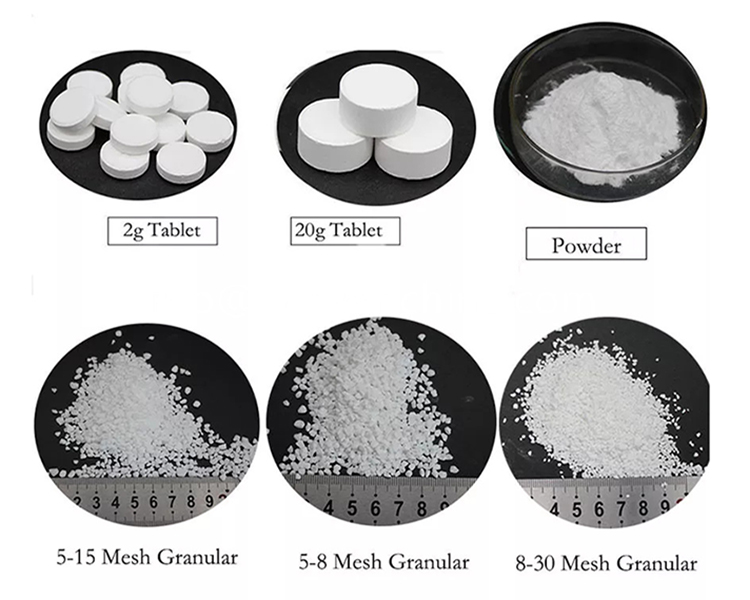
Water Treatment Systems: Livestock drinking water requires consistent disinfection to prevent waterborne diseases. TCCA tablets provide controlled chlorine release, maintaining safe residual levels without frequent monitoring.
Equipment and Vehicle Sanitization: Feed trucks, veterinary equipment, and transport vehicles can introduce pathogens. TCCA-based disinfectant stations create effective biosecurity barriers at facility entry points.
Waste Management: Proper treatment of manure and wastewater reduces environmental contamination risks. TCCA’s oxidizing properties help neutralize harmful microorganisms before discharge.
Implementation Best Practices
Concentration Guidelines: For general surface disinfection, use 200-500 ppm available chlorine. Water treatment requires 1-3 ppm residual. Always follow manufacturer specifications for specific applications.
Safety Protocols: Wear appropriate PPE including gloves, goggles, and respiratory protection. Ensure adequate ventilation during application. Store in cool, dry areas away from organic materials and acids.
Monitoring and Documentation: Maintain regular testing schedules using chlorine test kits. Document all disinfection activities including dates, concentrations, and areas treated for compliance purposes.
Why Choose Premium TCCA Products?
Quality Assurance Benefits
High-purity TCCA (99% minimum) ensures consistent performance and reduces the risk of equipment corrosion. Premium products contain minimal impurities that could compromise disinfection effectiveness or create unwanted byproducts.
Economic Advantages
While initial costs may be higher than alternatives, premium TCCA delivers superior value through:
- Reduced application frequency
- Lower product consumption per treatment
- Extended equipment lifespan
- Minimized disease outbreak risks
Environmental Considerations
Modern TCCA formulations meet environmental standards when used correctly. The compound breaks down into harmless components, minimizing ecological impact compared to persistent chemical alternatives.
Conclusion
Reliable TCCA disinfectants represent a strategic investment for livestock farm operators committed to biosecurity excellence. By addressing critical pain points around disease prevention, regulatory compliance, and cost efficiency, TCCA solutions enable sustainable agricultural operations. Partner with trusted suppliers who provide technical support, quality documentation, and consistent product availability to maximize your disinfection program’s effectiveness.
FAQ
Q1: How often should I disinfect livestock facilities with TCCA?
A: Frequency depends on operation type and risk level. Between production cycles, perform thorough disinfection. During active production, implement weekly maintenance disinfection for high-traffic areas.
Q2: Is TCCA safe for animals during application?
A: Remove animals during disinfection. Allow treated surfaces to dry completely before reintroducing livestock. For water treatment, maintain recommended residual levels safe for animal consumption.
Q3: What is the shelf life of TCCA products?
A: Properly stored TCCA maintains effectiveness for 2-3 years. Keep containers sealed in cool, dry conditions away from direct sunlight and moisture.
Q4: Can TCCA be used with other disinfectants?
A: Never mix TCCA with acids, ammonia, or other chlorine products. Sequential use with compatible disinfectants may be appropriate with proper rinsing between applications.
Q5: How do I verify disinfection effectiveness?
A: Conduct regular microbial testing using ATP meters or culture methods. Monitor chlorine residuals and adjust concentrations based on organic load and environmental conditions.
Author: Dr. Michael Richardson
Contact us for bulk pricing and technical consultation: https://envochemical.com/contact-us/
