
SDIC Distributors for Public Facilities: Chlorine Duty
Introduction
In today’s rapidly evolving public health landscape, maintaining stringent sanitation standards across public facilities has become more critical than ever. Municipal authorities, facility managers, and procurement professionals face the ongoing challenge of selecting effective, reliable, and cost-efficient disinfection solutions. Sodium Dichloroisocyanurate (SDIC), a powerful chlorine-based disinfectant, has emerged as a cornerstone product for public facility sanitation programs worldwide.
As authorized SDIC distributors specializing in public facility applications, we understand the unique demands of large-scale disinfection operations. This comprehensive guide explores how SDIC serves as an essential chlorine duty solution for swimming pools, hospitals, schools, municipal water systems, and other public spaces requiring consistent microbial control.
Understanding SDIC: The Science Behind Effective Chlorine Disinfection
Chemical Composition and Properties
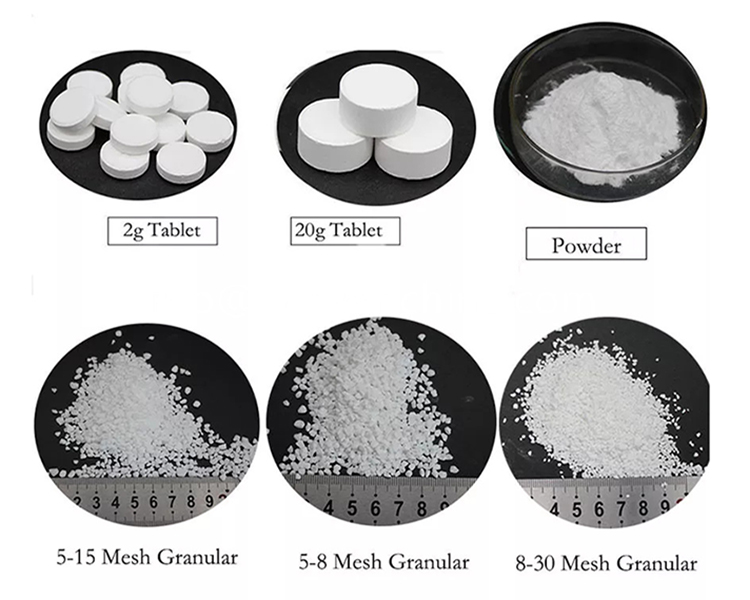
Sodium Dichloroisocyanurate, commonly abbreviated as SDIC or NaDCC, is an organic compound with the chemical formula C₃Cl₂N₃NaO₃. This white or yellowish crystalline solid offers exceptional stability and solubility in water, making it ideal for diverse public facility applications. With available chlorine content typically ranging from 56% to 60%, SDIC delivers powerful antimicrobial action while maintaining manageable handling characteristics.
Mechanism of Action
When dissolved in water, SDIC releases hypochlorous acid, the active disinfecting agent responsible for destroying bacteria, viruses, fungi, and other pathogenic microorganisms. This controlled release mechanism ensures sustained disinfection performance over extended periods, reducing the frequency of application compared to traditional chlorine solutions.
Key Applications in Public Facilities
Swimming Pool and Aquatic Center Sanitation
Public swimming pools represent one of the most demanding environments for disinfection management. SDIC provides consistent chlorine levels necessary for maintaining water quality standards while minimizing harmful byproduct formation. Facility operators benefit from:
- Stable chlorine residual maintenance throughout operating hours
- Reduced need for daily chemical adjustments
- Effective control of algae growth and biofilm formation
- Compatibility with existing filtration and circulation systems
Municipal Water Treatment Systems
Municipal water authorities rely on SDIC for secondary disinfection processes, ensuring safe drinking water distribution throughout community networks. The compound’s stability during storage and transportation makes it particularly valuable for remote facilities and emergency response situations where consistent water quality must be maintained.
Healthcare Facility Disinfection
Hospitals, clinics, and medical centers require hospital-grade disinfection protocols. SDIC serves multiple functions within healthcare environments, including surface disinfection, medical equipment sterilization, and wastewater treatment. Its broad-spectrum antimicrobial activity addresses the diverse pathogen challenges present in medical settings.
Educational Institution Sanitation
Schools, universities, and daycare facilities benefit from SDIC’s effectiveness in maintaining hygienic environments for students and staff. Applications include gymnasium sanitation, cafeteria surface treatment, and general facility cleaning protocols that support healthy learning environments.
Advantages of Partnering with Specialized SDIC Distributors
Quality Assurance and Certification
Reputable SDIC distributors provide products meeting international quality standards, including ISO certifications and regulatory compliance documentation. This assurance is critical for public facility procurement teams responsible for maintaining audit-ready supply chains and meeting governmental sanitation requirements.
Technical Support and Application Guidance
Professional distributors offer more than product supply—they deliver comprehensive technical support including dosage calculations, application method optimization, and safety protocol development. This expertise helps facility managers maximize disinfection effectiveness while minimizing chemical consumption and operational costs.
Supply Chain Reliability
Public facilities cannot afford disinfection supply interruptions. Established distributors maintain substantial inventory levels and multiple distribution points to ensure consistent product availability regardless of seasonal demand fluctuations or emergency situations requiring rapid response.
Cost-Effectiveness Analysis
While initial procurement costs matter, total cost of ownership provides a more accurate comparison metric. SDIC’s concentrated formula, extended shelf life, and reduced application frequency often deliver superior long-term value compared to alternative disinfection products requiring more frequent purchasing and handling.
Safety Considerations and Regulatory Compliance
Handling and Storage Protocols
Proper SDIC handling requires trained personnel following established safety procedures. Distributors provide comprehensive Safety Data Sheets (SDS) and training materials covering storage temperature requirements, ventilation needs, and personal protective equipment specifications.
Environmental Responsibility
Modern SDIC formulations address environmental concerns through reduced byproduct formation and biodegradable packaging options. Facility managers increasingly prioritize suppliers demonstrating commitment to sustainable practices aligned with organizational environmental goals.
Regulatory Documentation
Public facility procurement must satisfy multiple regulatory requirements. Quality distributors maintain complete documentation packages including certificates of analysis, regulatory compliance statements, and traceability records supporting audit requirements and liability protection.
Selecting the Right SDIC Distribution Partner
Evaluation Criteria
When evaluating potential SDIC distributors, public facility managers should consider production capacity, quality control systems, technical support capabilities, and geographic coverage. Request references from similar facilities and verify certification claims through independent sources.
Partnership Benefits
Long-term distribution partnerships enable customized supply agreements, priority allocation during high-demand periods, and collaborative development of facility-specific disinfection protocols. These relationships create value beyond transactional product purchases.
Frequently Asked Questions (FAQ)
Q1: What is the typical shelf life of SDIC products?
A: Properly stored SDIC maintains effectiveness for 24-36 months from manufacture date. Storage in cool, dry conditions away from direct sunlight extends product longevity and maintains chlorine content specifications.
Q2: How does SDIC compare to liquid chlorine solutions?
A: SDIC offers superior stability, easier transportation, and more precise dosage control compared to liquid chlorine. The solid form reduces hazardous material handling risks and eliminates degradation concerns during storage.
Q3: What chlorine concentration is recommended for swimming pools?
A: Most public swimming pools maintain free chlorine levels between 1-3 ppm using SDIC. Specific requirements vary based on bather load, water temperature, and local health department regulations.
Q4: Can SDIC be used in drinking water treatment?
A: Yes, SDIC is approved for drinking water disinfection in many jurisdictions when used according to regulatory guidelines. Consult local water authority requirements before implementation.
Q5: What packaging options are available for public facility purchases?
A: SDIC is available in various packaging configurations including 25kg drums, 50kg containers, and bulk quantities for large municipal operations. Custom packaging solutions accommodate specific facility requirements.
Q6: How quickly can distributors respond to emergency supply needs?
A: Established distributors maintain emergency stock reserves and expedited shipping capabilities for urgent public health situations. Response times typically range from 24-72 hours depending on location and quantity requirements.
Conclusion
Public facilities require disinfection solutions balancing effectiveness, safety, and operational efficiency. SDIC represents a proven chlorine duty option supported by decades of successful implementation across diverse facility types. Partnering with knowledgeable distributors ensures access to quality products, technical expertise, and reliable supply chains essential for maintaining public health standards.
Ready to optimize your facility’s disinfection program? Contact our team to discuss your specific requirements and discover how our SDIC distribution services can support your public facility sanitation objectives.
