
SDIC for Labs: Disinfection Purity
Introduction
In laboratory environments, maintaining the highest standards of disinfection purity is not merely a regulatory requirement—it is a fundamental necessity for ensuring accurate research outcomes, protecting personnel safety, and preserving sample integrity. Sodium Dichloroisocyanurate (SDIC) has emerged as a critical disinfection agent for laboratory applications, offering superior antimicrobial efficacy combined with exceptional stability and purity profiles. This comprehensive guide explores the essential role of SDIC in laboratory disinfection protocols, purity specifications, and implementation strategies for B2B procurement decision-makers.
Understanding SDIC: Chemical Properties and Laboratory Applications
What is Sodium Dichloroisocyanurate?
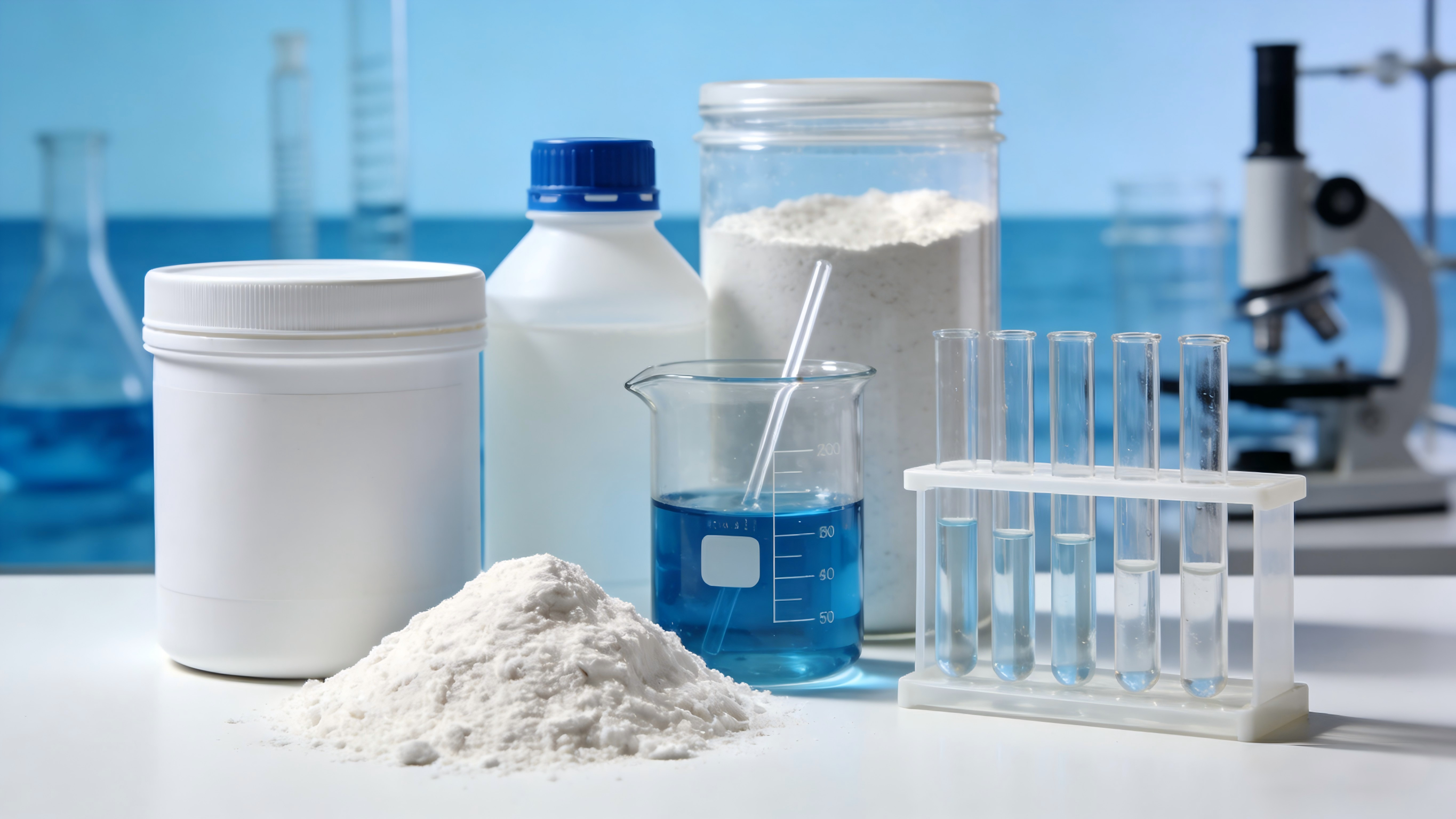
Sodium Dichloroisocyanurate (SDIC), with the chemical formula C₃Cl₂N₃NaO₃ and CAS number 2893-78-9, is a chlorinated isocyanurate compound that serves as a powerful oxidizing disinfectant. In laboratory-grade formulations, SDIC typically appears as a white crystalline powder or granular substance with a characteristic pungent odor. The compound demonstrates excellent water solubility while maintaining limited solubility in organic solvents, making it particularly suitable for aqueous disinfection applications.
Key Chemical Characteristics for Laboratory Use
Laboratory-grade SDIC must meet stringent purity specifications to ensure consistent disinfection performance. The effective chlorine content typically exceeds 55%, providing reliable antimicrobial activity across diverse microbial populations. At 25°C, the solubility reaches approximately 25 grams per 100 grams of water, with 1% solution pH values ranging between 5.5 and 7.0. These parameters are critical for laboratory professionals when selecting disinfection agents for sensitive equipment and controlled environments.
Purity Standards and Quality Specifications
Industrial Grade vs. Laboratory Grade SDIC
The distinction between industrial-grade and laboratory-grade SDIC lies primarily in purity levels, impurity profiles, and manufacturing controls. Laboratory-grade SDIC undergoes additional purification steps to minimize trace contaminants that could interfere with analytical procedures or compromise experimental results. Premium laboratory formulations typically achieve purity levels exceeding 98%, with tightly controlled specifications for heavy metals, organic impurities, and moisture content.
Critical Purity Parameters for Laboratory Applications
When evaluating SDIC for laboratory disinfection purposes, procurement specialists should focus on several key quality indicators. Effective chlorine content serves as the primary performance metric, with laboratory-grade products maintaining consistent levels between 55-60%. Moisture content should remain below 5% to ensure product stability during storage. Heavy metal concentrations must comply with international pharmaceutical and laboratory standards, typically remaining below 10 ppm for lead, cadmium, and mercury combined.
Certification and Compliance Requirements
Reputable SDIC suppliers provide comprehensive documentation including Certificate of Analysis (CoA), Safety Data Sheets (SDS), and compliance certifications aligned with ISO 9001 quality management systems. For laboratories operating under GLP (Good Laboratory Practice) or GMP (Good Manufacturing Practice) frameworks, supplier audit capabilities and batch traceability become essential selection criteria.
Implementation Strategies for Laboratory Disinfection
Surface Disinfection Protocols
SDIC solutions demonstrate broad-spectrum antimicrobial activity against bacteria, viruses, fungi, and spores, making them ideal for comprehensive laboratory surface disinfection. Standard working concentrations range from 500-1000 ppm available chlorine for routine disinfection, with higher concentrations (2000-5000 ppm) reserved for contamination incidents or high-risk areas. Contact times typically vary between 10-30 minutes depending on the target microorganism and surface material compatibility.
Equipment and Instrument Sanitization
Laboratory instruments requiring regular disinfection benefit from SDIC’s non-corrosive properties when used at appropriate concentrations. Glassware, stainless steel surfaces, and certain polymer materials tolerate SDIC solutions well, though compatibility testing remains recommended for sensitive equipment. The compound’s stability in solution allows for prepared disinfectant batches to maintain efficacy for extended periods when stored properly.
Water Treatment and Laboratory Effluent Management
Beyond surface disinfection, SDIC finds application in laboratory water treatment systems and effluent decontamination processes. The compound’s ability to maintain residual disinfectant levels makes it valuable for preventing microbial regrowth in water distribution systems serving laboratory facilities.
Advantages of SDIC for Laboratory Environments
Stability and Shelf Life
Compared to alternative chlorine-based disinfectants, SDIC offers superior stability during storage, maintaining potency for 24-36 months under proper conditions. This extended shelf life reduces waste and ensures consistent disinfection performance across procurement cycles.
Safety Profile
When handled according to manufacturer guidelines, laboratory-grade SDIC presents a favorable safety profile. The compound’s solid form reduces inhalation risks associated with liquid chlorine products, while controlled release mechanisms minimize exposure to hazardous chlorine gas during normal use.
Cost-Effectiveness for B2B Procurement
For laboratory facilities managing disinfection budgets, SDIC provides excellent value through concentrated formulations that require minimal dilution. Bulk procurement options further enhance cost efficiency for high-volume laboratory operations.
Selecting the Right SDIC Supplier
Evaluation Criteria for B2B Buyers
When sourcing SDIC for laboratory applications, B2B purchasers should evaluate suppliers based on manufacturing capabilities, quality control systems, technical support availability, and supply chain reliability. Established chemical manufacturers with dedicated laboratory-grade production lines offer greater assurance of consistent product quality.
Technical Support and Documentation
Premium suppliers provide comprehensive technical documentation, application guidance, and responsive customer support to address laboratory-specific requirements. This support becomes particularly valuable when implementing new disinfection protocols or troubleshooting application challenges.
Conclusion
SDIC represents a cornerstone disinfection solution for modern laboratory environments, combining proven antimicrobial efficacy with practical handling characteristics and cost efficiency. By understanding purity specifications, implementation protocols, and supplier selection criteria, laboratory procurement professionals can optimize their disinfection strategies while maintaining compliance with regulatory standards. Partnering with qualified chemical suppliers ensures access to laboratory-grade SDIC products that meet the demanding requirements of research and analytical facilities.
Frequently Asked Questions (FAQ)
Q1: What is the recommended storage condition for laboratory-grade SDIC?
A: SDIC should be stored in a cool, dry, well-ventilated area away from direct sunlight and heat sources. Ideal storage temperatures range between 15-25°C with relative humidity below 70%. Properly stored products maintain stability for 24-36 months.
Q2: Can SDIC be used on all laboratory surface materials?
A: While SDIC is compatible with most common laboratory materials including glass, stainless steel, and many polymers, compatibility testing is recommended for sensitive equipment. Avoid prolonged contact with aluminum, copper, and certain rubber materials.
Q3: What is the typical shelf life of prepared SDIC disinfection solutions?
A: Freshly prepared SDIC solutions maintain optimal efficacy for 7-14 days when stored in opaque containers at room temperature. For critical applications, daily preparation is recommended to ensure maximum disinfection potency.
Q4: How does SDIC compare to sodium hypochlorite for laboratory disinfection?
A: SDIC offers superior stability, longer shelf life, and more consistent chlorine release compared to sodium hypochlorite. The solid form also reduces storage hazards and simplifies transportation for laboratory facilities.
Q5: What documentation should I request from SDIC suppliers?
A: Essential documentation includes Certificate of Analysis (CoA), Safety Data Sheet (SDS), ISO quality certifications, and batch traceability records. For regulated laboratories, request additional compliance documentation specific to your industry requirements.
Q6: Is SDIC suitable for biosafety level (BSL) laboratory applications?
A: Yes, laboratory-grade SDIC is appropriate for BSL-1 through BSL-3 laboratory disinfection protocols when used according to established guidelines. Consult your biosafety officer for specific concentration and application requirements.
For more information about laboratory-grade SDIC products and customized disinfection solutions, visit our contact page to connect with our technical team. https://envochemical.com/contact-us/
