
SDIC for Labs: Disinfection Purity – The Ultimate Guide for B2B Buyers
Introduction
In today’s laboratory environment, maintaining the highest standards of disinfection purity is not optional—it’s essential. Sodium Dichloroisocyanurate (SDIC) has emerged as a leading disinfectant solution for laboratories worldwide, offering exceptional杀菌 efficiency, stability, and cost-effectiveness. For B2B purchasers seeking reliable disinfection chemicals, understanding SDIC specifications, purity grades, and application protocols is critical to making informed procurement decisions.
This comprehensive guide explores everything you need to know about SDIC for laboratory disinfection, from chemical properties to purity standards, helping you select the right supplier and product for your institutional needs.
What Is SDIC and Why Does It Matter for Laboratories?
Chemical Composition and Properties
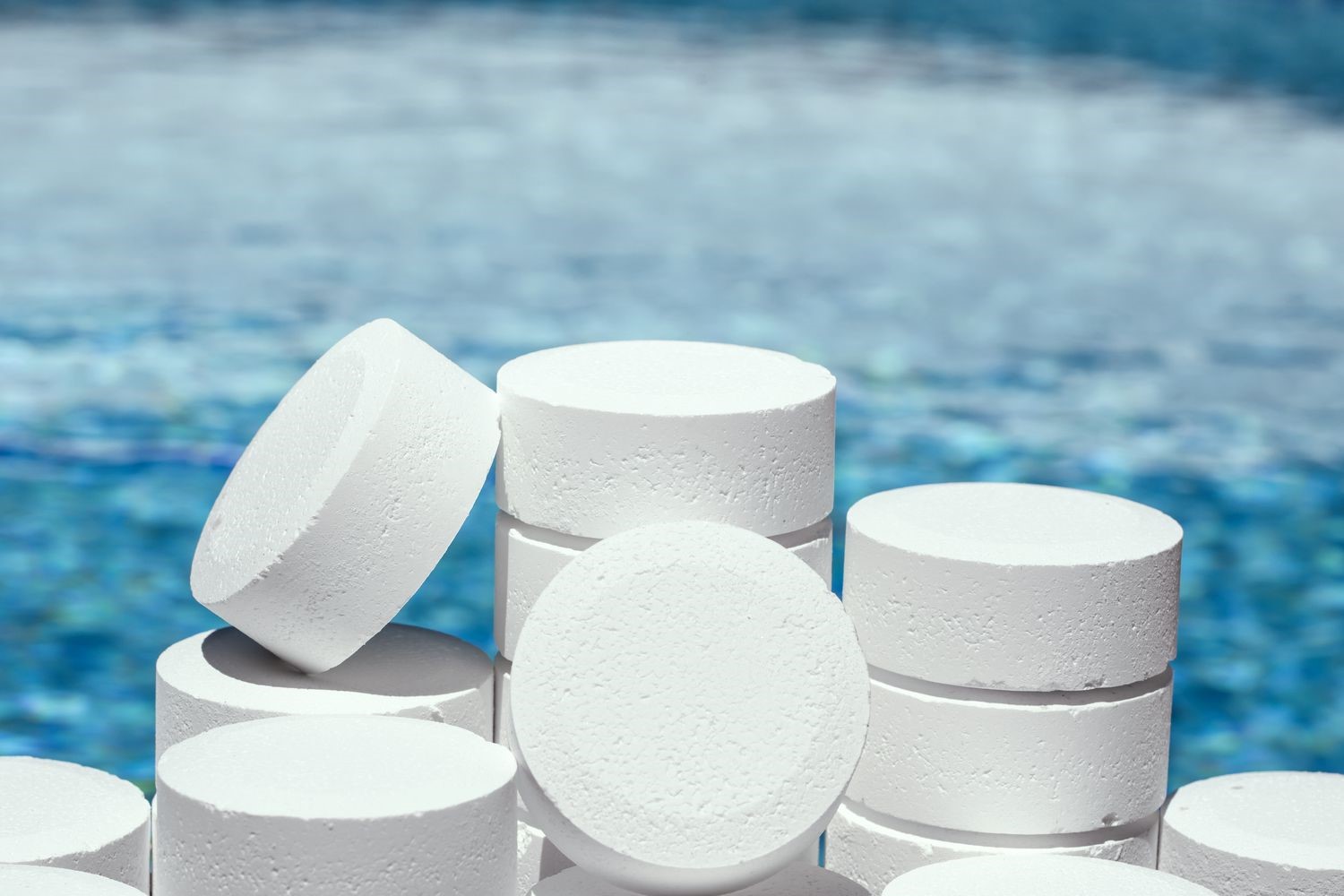
Sodium Dichloroisocyanurate, commonly abbreviated as SDIC or NaDCC, is an organic compound with the chemical formula C₃Cl₂N₃NaO₃ and CAS number 2893-78-9. This white crystalline powder or granular substance features a distinctive chlorine odor and demonstrates remarkable solubility in water while remaining insoluble in organic solvents.
Key physical properties include:
- Melting Point: 240-250°C
- Density: 2.06 g/cm³
- Available Chlorine Content: 56%-60% (industrial grade), up to 99% (high-purity grade)
- pH Range: Effective across pH 4-8
Disinfection Mechanism
SDIC functions as a powerful oxidizing agent, releasing hypochlorous acid when dissolved in water. This active chlorine component penetrates microbial cell walls, disrupting essential metabolic processes and achieving broad-spectrum杀菌 activity against bacteria, viruses, fungi, and bacterial spores.
SDIC Purity Grades for Laboratory Applications
Understanding Purity Specifications
Laboratory disinfection demands precise purity standards. SDIC is available in multiple grades:
Industrial Grade (56%-60% Available Chlorine)
Suitable for general water treatment and large-scale disinfection applications where ultra-high purity is not critical.
Reagent Grade (90%-95% Purity)
Designed for research laboratories requiring consistent performance and minimal impurity interference with experimental results.
High-Purity Grade (99% HPLC)
Reserved for sensitive analytical laboratories, pharmaceutical manufacturing, and biotechnology facilities where contamination risks must be eliminated.
Quality Certification Standards
When evaluating SDIC suppliers, verify compliance with international quality standards:
- ISO 9001:2015 Quality Management
- REACH Registration (European Union)
- FDA Guidelines (for applicable applications)
- GMP Certification (pharmaceutical-grade requirements)
Critical Factors for B2B SDIC Procurement
Supplier Verification Checklist
Selecting the right SDIC supplier requires thorough due diligence. Consider these essential factors:
1. Manufacturing Capability
Verify production capacity, consistency, and ability to meet your volume requirements without compromising quality.
2. Technical Documentation
Request comprehensive Certificates of Analysis (CoA), Safety Data Sheets (SDS), and batch-specific purity reports.
3. Packaging Options
Ensure appropriate packaging for your application—common formats include 25kg drums, 50kg bags, and customized bulk containers.
4. Storage and Stability
SDIC requires dry, sealed, and ventilated storage conditions. Confirm supplier recommendations for shelf life and storage protocols.
5. Logistics and Delivery
Evaluate shipping capabilities, lead times, and international export compliance for seamless supply chain integration.
Cost-Performance Optimization
While price is important, total cost of ownership should drive procurement decisions. High-purity SDIC may command premium pricing but delivers:
- Reduced dosage requirements
- Extended shelf life
- Lower contamination risks
- Fewer quality control failures
Laboratory Disinfection Protocols Using SDIC
Standard Operating Procedures
Implementing SDIC in laboratory settings requires established protocols:
Surface Disinfection: Prepare 500-1000 ppm available chlorine solution for general laboratory surfaces. Apply using spray or wipe methods with 10-minute contact time.
Equipment Sterilization: Use 1000-2000 ppm solutions for non-corrosive equipment. Rinse thoroughly with distilled water after treatment.
Water System Treatment: Maintain 0.5-1.0 ppm residual chlorine in laboratory water systems to prevent microbial growth.
Safety Considerations
SDIC is a strong oxidizer requiring careful handling:
- Wear appropriate PPE (gloves, goggles, lab coats)
- Avoid contact with organic materials and nitrogen compounds
- Ensure adequate ventilation during preparation and application
- Store away from heat sources and incompatible chemicals
Why Choose High-Purity SDIC for Your Laboratory?
Advantages Over Alternative Disinfectants
Compared to sodium hypochlorite and other chlorine-based disinfectants, SDIC offers:
- Superior Stability: Longer shelf life with minimal active chlorine degradation
- Precise Dosing: Consistent available chlorine content enables accurate concentration control
- Reduced Corrosion: Lower corrosion rates on laboratory equipment and surfaces
- Broad Compatibility: Effective across diverse pH ranges and water hardness levels
Environmental and Regulatory Compliance
Modern laboratories face increasing environmental scrutiny. SDIC’s advantages include:
- Minimal toxic byproduct formation
- Biodegradable decomposition products
- Compliance with environmental discharge regulations
- Reduced hazardous waste generation
Frequently Asked Questions (FAQ)
Q1: What is the typical shelf life of SDIC?
A: Properly stored SDIC maintains potency for 24-36 months. High-purity grades in sealed packaging may exceed 36 months under optimal conditions (cool, dry, ventilated storage).
Q2: Can SDIC be used for sterilizing laboratory glassware?
A: Yes, SDIC solutions effectively sterilize glassware at 1000-2000 ppm concentrations. Ensure thorough rinsing with distilled water to remove residual chlorine before use.
Q3: What purity grade should I specify for analytical laboratories?
A: For analytical applications, specify 99% HPLC grade SDIC to minimize interference with sensitive instrumentation and analytical results.
Q4: How do I verify SDIC quality upon delivery?
A: Request batch-specific Certificates of Analysis and conduct independent verification testing for available chlorine content, heavy metals, and moisture levels.
Q5: Is SDIC compatible with all laboratory surfaces?
A: SDIC is generally compatible with most surfaces but may corrode certain metals. Conduct compatibility testing on sensitive equipment before full-scale implementation.
Q6: What documentation should I request from SDIC suppliers?
A: Essential documents include Certificate of Analysis, Safety Data Sheet, REACH compliance certificates, and batch traceability records.
Conclusion: Making the Right SDIC Procurement Decision
Selecting the appropriate SDIC product for laboratory disinfection requires careful consideration of purity specifications, supplier credentials, and application requirements. High-purity SDIC delivers exceptional value through superior disinfection performance, extended stability, and regulatory compliance.
For B2B buyers prioritizing quality, consistency, and technical support, partnering with established chemical suppliers ensures reliable access to laboratory-grade SDIC that meets your exacting standards.
Ready to optimize your laboratory disinfection protocol with premium SDIC solutions? Explore our comprehensive product range and request detailed specifications tailored to your facility requirements.
This article provides general guidance for SDIC procurement. Always consult with qualified chemical safety professionals and verify product specifications before implementation in your laboratory environment.
