
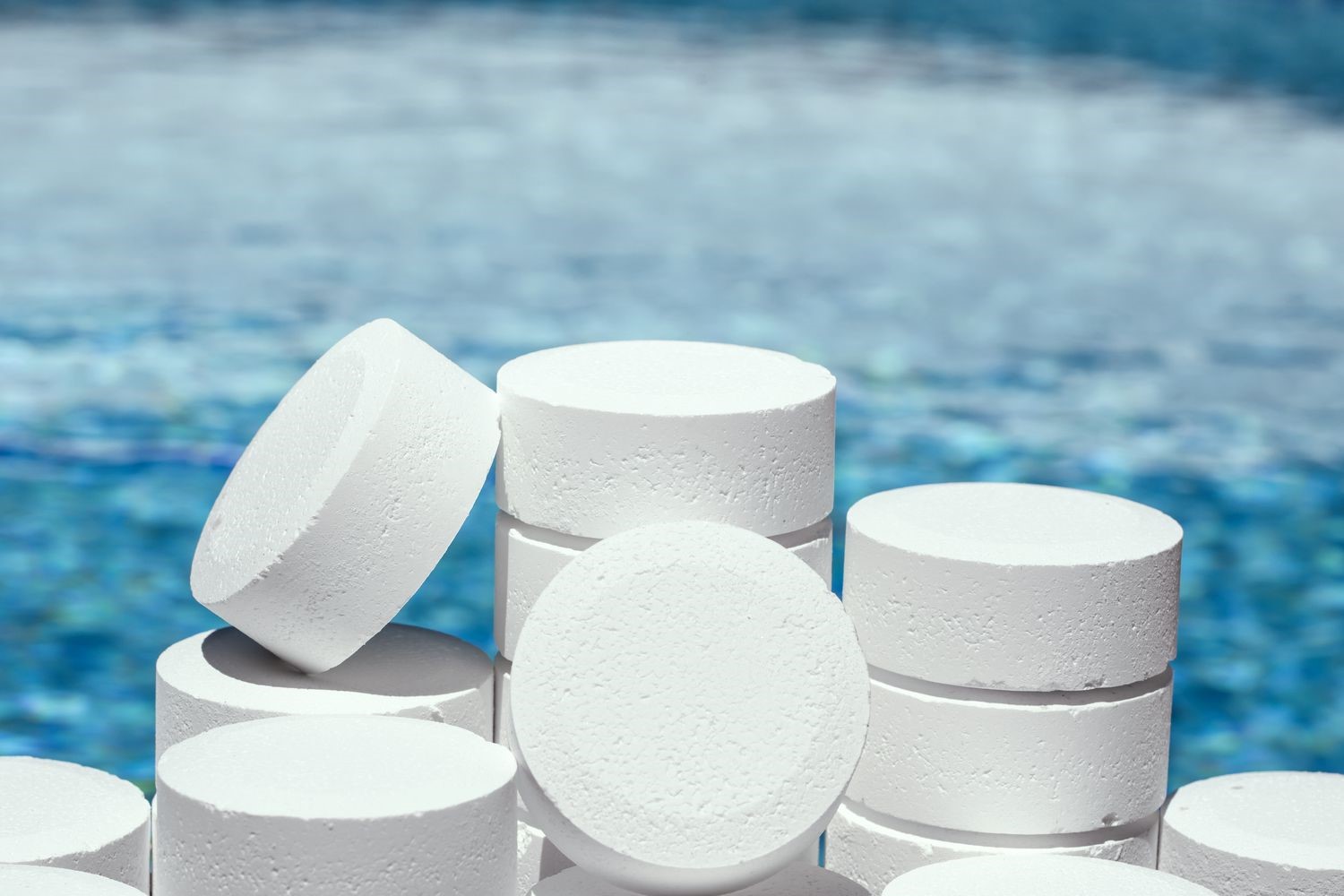
# SDIC for Pharmaceutical Factories: Purity High Factory Solutions Water
Introduction
In the pharmaceutical industry, water quality stands as one of the most critical factors determining product safety, efficacy, and regulatory compliance. Pharmaceutical manufacturers face stringent requirements under Good Manufacturing Practice (GMP) standards, necessitating advanced water treatment and disinfection solutions. Sodium Dichloroisocyanurate (SDIC) has emerged as a premier choice for pharmaceutical factory water purification, offering exceptional disinfection capabilities while maintaining the highest purity standards. This comprehensive guide explores how SDIC delivers high-performance water treatment solutions tailored specifically for pharmaceutical manufacturing facilities.
Understanding SDIC: The Premium Disinfectant for Pharmaceutical Applications
What is Sodium Dichloroisocyanurate?
Sodium Dichloroisocyanurate, commonly known as SDIC or NaDCC, is an organic chlorinated compound with the chemical formula C₃Cl₂N₃NaO₃ and CAS number 2893-78-9. This white crystalline powder serves as a powerful oxidizing agent and broad-spectrum disinfectant. With an available chlorine content ranging from 56% to 60%, SDIC provides superior microbial control compared to many traditional disinfectants.
Key Chemical Properties
SDIC exhibits remarkable stability and solubility characteristics that make it ideal for pharmaceutical water treatment systems. The compound dissolves readily in water, releasing hypochlorous acid gradually, which ensures sustained disinfection action. Its pH range of 5.5-7.0 in 1% solution aligns perfectly with pharmaceutical water quality requirements, minimizing the need for additional pH adjustment procedures.
Why Pharmaceutical Factories Choose SDIC for Water Treatment
GMP Compliance and Regulatory Standards
Pharmaceutical manufacturing facilities must adhere to rigorous GMP guidelines established by regulatory bodies worldwide, including the FDA, EMA, and WHO. SDIC meets these demanding standards by providing consistent, verifiable disinfection performance. The compound’s well-documented chemical properties and predictable behavior in water systems facilitate comprehensive validation processes required for GMP certification.
Superior Microbial Control
Pharmaceutical water systems face constant threats from bacteria, viruses, fungi, and spores. SDIC’s broad-spectrum antimicrobial activity effectively eliminates pathogens including E. coli, Staphylococcus aureus, Pseudomonas aeruginosa, and various fungal species. This comprehensive microbial control is essential for maintaining purified water and water for injection (WFI) quality standards.
Stability and Storage Advantages
Unlike liquid chlorine solutions that degrade rapidly, SDIC maintains its potency during extended storage periods. This stability reduces waste, lowers operational costs, and ensures consistent disinfection performance. Pharmaceutical facilities benefit from reduced inventory management complexity and enhanced supply chain reliability.
Implementation Strategies for SDIC in Pharmaceutical Water Systems
Pre-Treatment Water Disinfection
SDIC serves as an effective primary disinfectant for incoming raw water supplies. By treating source water before it enters purification systems, pharmaceutical manufacturers reduce the microbial load on downstream equipment, extending membrane life and improving overall system efficiency. This pre-treatment approach minimizes biofilm formation in pipes and storage tanks.
Purified Water System Maintenance
Maintaining microbial control in purified water distribution loops presents ongoing challenges for pharmaceutical facilities. SDIC provides reliable periodic disinfection without compromising water quality parameters. Its controlled chlorine release mechanism prevents excessive residual levels that could interfere with subsequent manufacturing processes.
Clean-in-Place (CIP) Applications
SDIC integrates seamlessly into Clean-in-Place protocols for water storage tanks and distribution systems. The compound’s effectiveness against biofilms ensures thorough sanitization of hard-to-reach areas within complex piping networks. This capability supports comprehensive validation documentation required for regulatory audits.
Quality Considerations for Pharmaceutical-Grade SDIC
Purity Specifications
Pharmaceutical applications demand SDIC products with exceptional purity levels. High-grade SDIC should contain minimum 99% active ingredient with严格控制 impurities. Heavy metal content, insoluble matter, and moisture levels must meet pharmaceutical industry specifications to prevent contamination risks.
Documentation and Traceability
Reputable SDIC suppliers provide comprehensive documentation including Certificates of Analysis (CoA), Safety Data Sheets (SDS), and batch traceability records. This documentation supports pharmaceutical quality assurance systems and facilitates regulatory compliance audits.
Packaging and Handling
Pharmaceutical-grade SDIC requires specialized packaging to maintain product integrity during storage and transportation. Moisture-resistant containers with proper labeling ensure product quality upon receipt. Handling protocols must prevent contamination and maintain workplace safety standards.
Cost-Effectiveness and Operational Benefits
Reduced Operational Expenses
SDIC’s high available chlorine content means lower dosage requirements compared to alternative disinfectants. This efficiency translates into significant cost savings over time. Additionally, reduced chemical handling and storage requirements lower operational overhead.
Extended Equipment Lifespan
Effective microbial control prevents biofilm accumulation that can damage pumps, valves, and membranes. By protecting critical water treatment infrastructure, SDIC helps pharmaceutical facilities avoid costly equipment replacements and unplanned downtime.
Simplified Validation Processes
SDIC’s well-characterized chemical behavior simplifies water system validation protocols. Predictable disinfection kinetics enable accurate dosing calculations and consistent performance verification, streamlining compliance documentation.
Environmental and Safety Considerations
Environmental Impact
SDIC breaks down into environmentally benign compounds after use, minimizing ecological impact. Proper disposal procedures ensure compliance with environmental regulations while supporting sustainability initiatives increasingly important to pharmaceutical manufacturers.
Workplace Safety
While SDIC is generally safe when handled properly, pharmaceutical facilities must implement appropriate safety protocols. Personal protective equipment, adequate ventilation, and staff training ensure safe handling practices that protect workers while maintaining operational efficiency.
Conclusion
SDIC represents a proven, reliable solution for pharmaceutical factory water treatment challenges. Its combination of powerful disinfection capabilities, GMP compliance support, operational efficiency, and cost-effectiveness makes it an ideal choice for manufacturers committed to producing safe, high-quality pharmaceutical products. As regulatory requirements continue to evolve, SDIC’s established track record and versatile application profile position it as a cornerstone technology for pharmaceutical water purification systems.
Frequently Asked Questions (FAQ)
Q1: What is the recommended SDIC concentration for pharmaceutical water disinfection?
A: Typical concentrations range from 1-5 ppm depending on specific application requirements. Pre-treatment applications may use higher concentrations, while purified water system maintenance typically requires lower levels. Consult with water treatment specialists to determine optimal dosing for your facility.
Q2: How does SDIC compare to chlorine gas for pharmaceutical applications?
A: SDIC offers significant safety advantages over chlorine gas, eliminating storage hazards and handling risks. It provides more controlled chlorine release, better stability, and simpler dosing equipment requirements, making it preferable for most pharmaceutical facilities.
Q3: Can SDIC be used in Water for Injection (WFI) systems?
A: SDIC is primarily used for pre-treatment and purified water systems. WFI systems typically employ distillation or reverse osmosis followed by ultrafiltration. SDIC may be used in upstream processes but requires careful validation to ensure no residual impact on final WFI quality.
Q4: What is the shelf life of pharmaceutical-grade SDIC?
A: Properly stored SDIC maintains potency for 24-36 months. Storage conditions should include cool, dry environments away from direct sunlight and moisture. Regular quality testing ensures product effectiveness throughout the storage period.
Q5: How do I validate SDIC performance in my water treatment system?
A: Validation requires establishing baseline microbial levels, implementing controlled dosing protocols, and conducting regular monitoring. Document all parameters including contact time, concentration, temperature, and residual chlorine levels. Third-party testing supports regulatory compliance documentation.
Ready to optimize your pharmaceutical water treatment system with premium SDIC solutions? Explore our comprehensive product range and technical support services designed specifically for pharmaceutical manufacturing facilities.
