
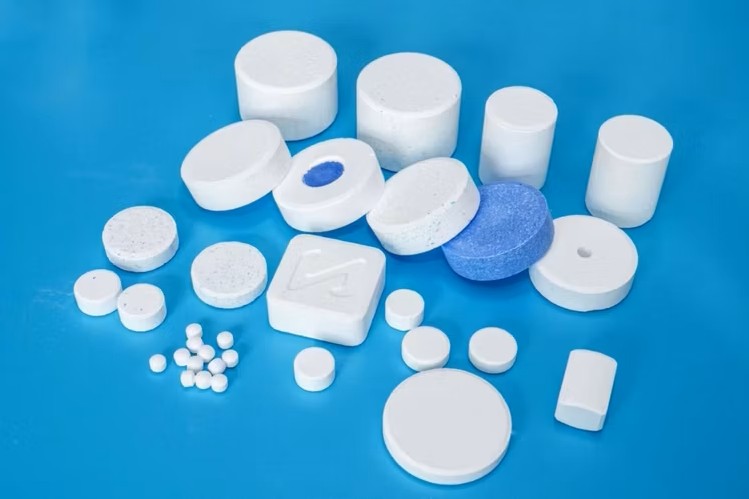
SDIC for Water Parks: Chlorine Park
Introduction
Water park operators face a constant challenge: maintaining crystal-clear, safe water while managing operational costs and regulatory compliance. Contamination risks from thousands of daily visitors can lead to health hazards, customer complaints, and even facility closures. This is where SDIC (Sodium Dichloroisocyanurate) emerges as the superior chlorine solution for modern water parks seeking reliable, efficient disinfection.
Understanding SDIC: The Advanced Chlorine Solution
What Makes SDIC Different?
SDIC, or Sodium Dichloroisocyanurate, is an organic chlorine compound with 56-60% available chlorine content. Unlike traditional liquid chlorine or calcium hypochlorite, SDIC offers slow-release properties that maintain consistent disinfection levels over extended periods. This stability translates to fewer chemical applications and more predictable water quality management.
Key Advantages for Water Park Operations
Extended Disinfection Duration
SDIC releases active chlorine gradually, providing up to 48 hours of continuous protection. This reduces the frequency of chemical dosing, saving labor costs and minimizing operational disruptions during peak hours.
Superior Stability in Various Conditions
Water parks operate under challenging conditions: high temperatures, intense UV exposure, and heavy bather loads. SDIC maintains effectiveness where other chlorine products degrade rapidly, ensuring consistent protection throughout operating seasons.
Minimal Cyanuric Acid Buildup
Unlike some stabilized chlorine products, SDIC produces lower cyanuric acid residues, reducing the need for frequent water replacement and lowering overall water consumption costs.
Addressing Common Water Park Pain Points
Challenge 1: Inconsistent Chlorine Levels
Fluctuating chlorine levels create safety risks and regulatory violations. SDIC’s controlled release mechanism maintains stable residual chlorine between 1-3 ppm, the optimal range for recreational water facilities.
Solution: Implement SDIC-based dosing systems with automated feeders calibrated for your facility’s capacity. This ensures consistent protection without manual intervention every few hours.
Challenge 2: Algae and Biofilm Formation
Warm water environments promote rapid algae growth and biofilm accumulation in pipes and filtration systems. These issues cause cloudy water, unpleasant odors, and equipment damage.
Solution: SDIC’s strong oxidizing power eliminates algae spores and breaks down organic contaminants before they establish colonies. Regular SDIC treatment prevents biofilm formation in circulation systems.
Challenge 3: High Operational Costs
Traditional chlorine methods require frequent applications, specialized storage, and extensive safety protocols. These factors drive up operational expenses significantly.
Solution: SDIC’s concentrated formula means less product volume needed per treatment. Its stable solid form eliminates special storage requirements and reduces safety training costs.
Implementation Best Practices
Dosage Guidelines for Water Parks
For standard water park operations, maintain SDIC concentrations at 2-4 ppm depending on bather load and water temperature. High-traffic attractions may require 5-6 ppm during peak seasons. Always test water quality before and after treatment.
Storage and Handling Recommendations
Store SDIC in cool, dry areas away from direct sunlight and organic materials. The product remains stable for up to 24 months when properly stored, reducing waste from expiration. Use dedicated measuring equipment to prevent cross-contamination.
Regulatory Compliance Considerations
SDIC meets international water quality standards including WHO guidelines and EPA requirements for recreational water facilities. Maintain detailed treatment logs to demonstrate compliance during health department inspections.
Conclusion
Water park operators seeking reliable, cost-effective disinfection solutions will find SDIC to be an exceptional choice. Its stability, efficiency, and safety profile address the core challenges of large-scale water treatment while reducing operational burdens. By transitioning to SDIC-based chlorination systems, facilities can achieve superior water quality, enhanced customer satisfaction, and improved profit margins.
FAQ
Q1: How often should I apply SDIC in my water park?
A: Application frequency depends on bather load and water volume. Typically, SDIC requires dosing every 24-48 hours, compared to 6-12 hours for liquid chlorine.
Q2: Is SDIC safe for swimmers with sensitive skin?
A: Yes, SDIC produces fewer chloramine byproducts than traditional chlorine, reducing eye and skin irritation. Proper dosing ensures comfortable swimming conditions.
Q3: Can SDIC be used with existing filtration systems?
A: Absolutely. SDIC is compatible with all standard filtration systems including sand, cartridge, and DE filters without causing damage or reduced efficiency.
Q4: What is the shelf life of SDIC products?
A: When stored properly in sealed containers away from moisture and heat, SDIC maintains full effectiveness for 24 months from manufacture date.
Q5: How does SDIC compare cost-wise to liquid chlorine?
A: While initial purchase price may be higher, SDIC’s extended effectiveness and reduced application frequency typically result in 20-30% lower annual chemical costs.
Author: Dr. Marcus Richardson
Ready to optimize your water park disinfection strategy? Contact our technical team for customized SDIC solutions and bulk pricing.
